Carex, Genus, firma, Species,
- Genus & species
firm sedge
Mountains of central and southern Europe (Alps, Carpathians, Dinaric Alps, Apennines)
Overview
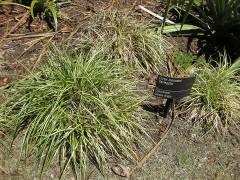
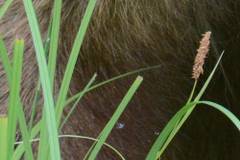
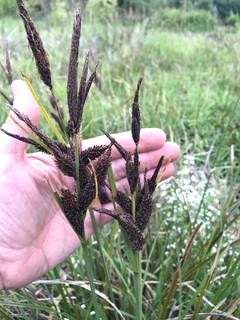
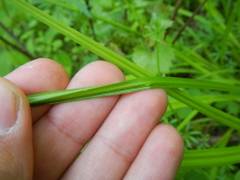
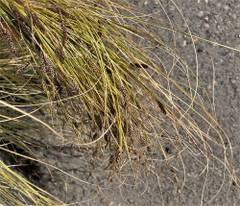
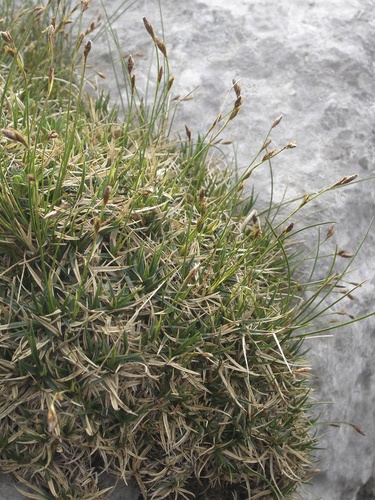
Carex firma is a densely tufted, evergreen alpine sedge in the Cyperaceae family, forming tight, hard cushions 2-4 inches (5-10 cm) tall and 4-8 inches (10-20 cm) wide. The species is a keystone of alpine calcareous grasslands in the European Alps, where it forms the dominant plant community known as the Caricetum firmae association. Leaves are stiff, curved, 0.5-1.5 inches (1.5-4 cm) long and 2-3 mm wide, dark green, with a firm, almost cartilaginous texture — the basis for the epithet firma. Leaf tips are sharply pointed. The tightly packed leaf bases form a dense, hard cushion that resists trampling and snow compaction. The inflorescence is a short, compact terminal spike 0.5-0.75 inch (1.5-2 cm) long with male flowers at the top and 1-2 short female spikes below. Utricles are 4-5 mm long, pubescent, with a prominent beak. The species is restricted to calcareous (limestone, dolomite) substrates in alpine and subalpine zones, typically above 5,000 feet (1,500 m), where it endures extreme cold, wind, UV exposure, and thin, rocky soil. In cultivation, it requires sharply drained, alkaline, gritty conditions and cool temperatures. The species does not tolerate summer heat above 85°F (29°C), humidity, or organic-rich soil.
Native Range
Carex firma is native to the mountains of central and southern Europe — the Alps, Carpathians, Dinaric Alps, and Apennines — where it dominates calcareous alpine grasslands, rocky ridges, and cliff ledges at elevations of 4,500-10,000 feet (1,400-3,000 m).Suggested Uses
Grown in alpine troughs, tufa gardens, crevice gardens, and alpine houses. The species establishes well planted into holes drilled in tufa rock. Suited to limestone crevice gardens and scree beds. Not suited to standard garden borders, raised beds, or any site with organic-rich, moist soil. A specialist plant for alpine enthusiasts.How to Identify
Appearance
Size & Dimensions
Height2" - 4"
Width/Spread4" - 8"
Bloom Information
Flowering occurs from June through July at alpine elevations, earlier in lowland cultivation. The compact terminal spike is 0.5-0.75 inch (1.5-2 cm) long, inconspicuous, wind-pollinated. Utricles ripen by August. In garden cultivation at lower elevations, bloom may occur in May.
Detailed Descriptions
Flower Description
Brown (inconspicuous)Foliage Description
Dark greenGrowing Conditions
Sun Requirements
Requires 6-10 hours of direct sunlight daily
• Full Sun: 6+ hours of direct sunlight
• Partial Shade: 3-6 hours of direct sunlight
• Full Shade: Less than 3 hours of direct sunlight
Care & Maintenance
Care Guide
Plants grow in full sun in sharply drained, alkaline, gritty soil with a pH of 7.0-8.5. A planting mix of 70-80% mineral grit (limestone chips, tufa, coarse sand) and 20-30% loam matches the species' native substrate. Plants are spaced 4-6 inches (10-15 cm) apart. Organic mulch and fertile potting mix are not used — the species is adapted to nutrient-poor substrates. Watering is moderate — soil stays barely moist but never waterlogged. Sharp drainage is required. In the Pacific Northwest, growing in a trough, tufa garden, or alpine house controls moisture and supplies the alkaline substrate the species needs. Siting in morning sun and afternoon shade in lowland gardens reduces summer heat stress.Pruning
No pruning is required. The compact cushion form is self-maintaining. Dead or brown leaf tips are removed by hand for appearance. Division for propagation is possible every 4-5 years — the cushion is sliced with a sharp knife and replanted in gritty alkaline mix.Container Growing
Suitable for container growing
Minimum container size: 1 gallons