Carex, Genus, spp., Multiple species,
- Genus
- Multiple species
true sedges
Worldwide, especially temperate and cool regions
SunFull Sun – Part Shade – Full Shade
HardinessZones 3–9
Overview
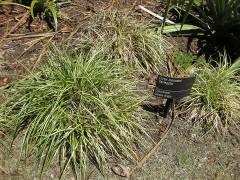
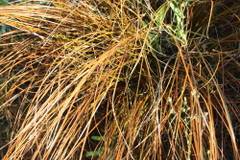
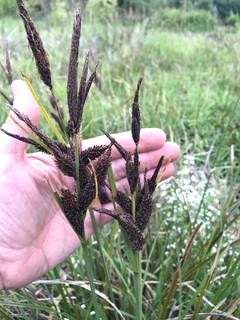
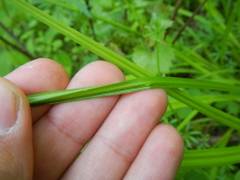
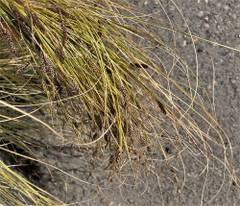
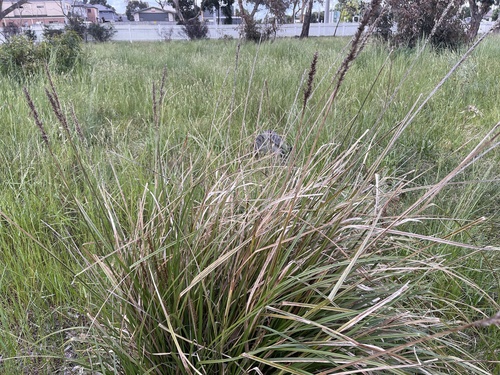
Carex, the true sedges, is a genus of around 2,000 species of grass-like perennials in the sedge family, among the largest of all flowering-plant genera, found worldwide and most diverse in temperate and cool regions. Sedges resemble grasses but have solid, often three-sided stems and leaves arranged in three ranks, summed up in the saying that sedges have edges. Across the genus, plants range from tufts a few inches high to clumps 4 feet (1.2 m) tall, growing in dense clumps or spreading by rhizomes. The leaves are narrow and grass-like, green, blue-green, bronze, or variegated depending on the species. Tiny wind-pollinated flowers are carried in spikes, with separate male and female flowers; the female flowers develop into small seed-like fruits enclosed in a sac. Many sedges grow in wet ground — marshes, bogs, and streamsides — while others occupy dry woodland or open slopes. Foliage is evergreen in some species and dies back in others. Across the genus, sedges differ widely in size, leaf color, habit, and moisture needs, and many are grown as ornamental foliage plants and groundcovers.
Native Range
The genus is found on every continent except Antarctica, with the greatest diversity in temperate and cool-temperate North America, Eurasia, and the mountains of the tropics. Sedges grow in wetlands, wet meadows, streambanks, bogs, moist woodlands, and some dry grasslands and rocky slopes. Across the genus they range from full sun in open marshes to deep shade in forests.Suggested Uses
Sedges are grown as ornamental foliage plants, groundcovers, and lawn alternatives, and in rain gardens, pond edges, and woodland plantings, spaced about 8 to 24 inches (20 to 60 cm) apart by species. Shade-tolerant clumping species suit borders and containers, while spreading and wetland species suit naturalized and erosion-control plantings. Across the genus they are grown chiefly for foliage texture and color.How to Identify
Appearance
Size & Dimensions
Height4" - 4'
Width/Spread6" - 3'
Colors
Foliage Colors
Bloom Information
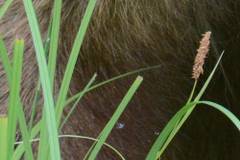
Across the genus, most sedges flower in spring to early summer, roughly April through June, with the spikes lasting several weeks before the seed-like fruits ripen. The flowers are wind-pollinated and make no colorful display. Bloom timing shifts earlier in lowland species and later in alpine and northern ones.
Detailed Descriptions
Foliage Description
greenGrowing Conditions
Sun Requirements
Requires 2-8 hours of direct sunlight daily
• Full Sun: 6+ hours of direct sunlight
• Partial Shade: 3-6 hours of direct sunlight
• Full Shade: Less than 3 hours of direct sunlight
Water & Climate
Frost Tolerance
Care & Maintenance
Care Guide
Growing needs vary widely across the genus, since some sedges require constantly wet ground while others tolerate dry shade. Most grow well in moist, fertile soil in part shade, and wetland species succeed at pond margins or in standing water. Across the genus, sedges need little feeding and few are troubled by pests, though rust and aphids appear on some. Clumps are cut back or combed out in late winter to remove dead foliage before new growth. Evergreen species are tidied rather than cut hard, while deciduous species are sheared to a few inches in early spring. Clumps are divided every few years to renew them and to propagate.Pruning
Across the genus, deciduous sedges are cut back to 2-4 inches (5-10 cm) in late winter or early spring before new growth starts. Evergreen sedges are combed or raked to pull out dead blades rather than cut to the ground, since hard cutting can weaken them. Spent flower spikes can be trimmed if self-seeding is unwanted.Pruning Schedule
early spring
Container Growing
Suitable for container growing
Minimum container size: 1 gallons