Carex, Genus, 'Ice Dance', Cultivar,
- Genus
- Cultivar
ice dance sedge
Species native to Japan (Honshu, Shikoku, Kyushu); cultivar selected in Japan
Overview
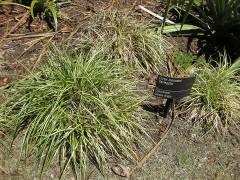
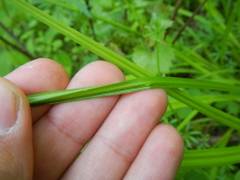
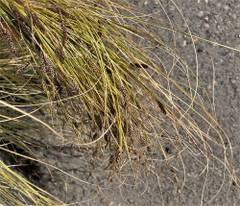
Carex 'Ice Dance' is a low, arching, evergreen sedge reaching 10–15 inches (25–38 cm) tall with a spread of 18–24 inches (45–60 cm). The cultivar is widely sold simply as Carex 'Ice Dance' and is treated as a cultivar of C. morrowii (Japanese sedge). Leaves are 0.25–0.4 inch (6–10 mm) wide, glossy dark green with clean white to creamy-white margins that run the full length of each leaf. The variegation is stable; reversions to all-green are rare. Plants form a dense arching mound and spread moderately by short rhizomes to form a colony over time. Spread is contained enough for use as a groundcover without becoming invasive. Small brown flower spikes appear in March–April but are inconspicuous among the foliage. Foliage is evergreen and holds saturated color through winter in zones 6–9; in zone 5 some leaf-tip browning occurs in harsh winters. Growth rate is moderate. The white-edged foliage brightens shaded areas. Slugs may feed on new growth. No serious disease problems.
Native Range
The species Carex morrowii is native to Japan, where it occurs in moist, shaded woodlands and forest floors on the islands of Honshu, Shikoku, and Kyushu, from lowland to montane elevations. 'Ice Dance' was selected in Japan.Suggested Uses
Used as a groundcover in shade gardens, woodland gardens, and under trees at 12–18 inch (30–45 cm) spacing. The white-edged foliage brightens dark areas and functions as border edging, in foundation plantings, and along paths. Grows in containers of at least 2 gallons (8 L). The evergreen habit supplies year-round structure. Pairs with dark-foliaged plants such as Heuchera and ferns for contrast; performs in mass plantings under deciduous trees.How to Identify
Appearance
Size & Dimensions
Height10" - 1'3"
Width/Spread1'6" - 2'
Bloom Information
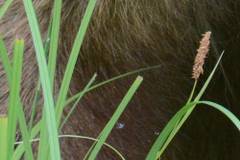
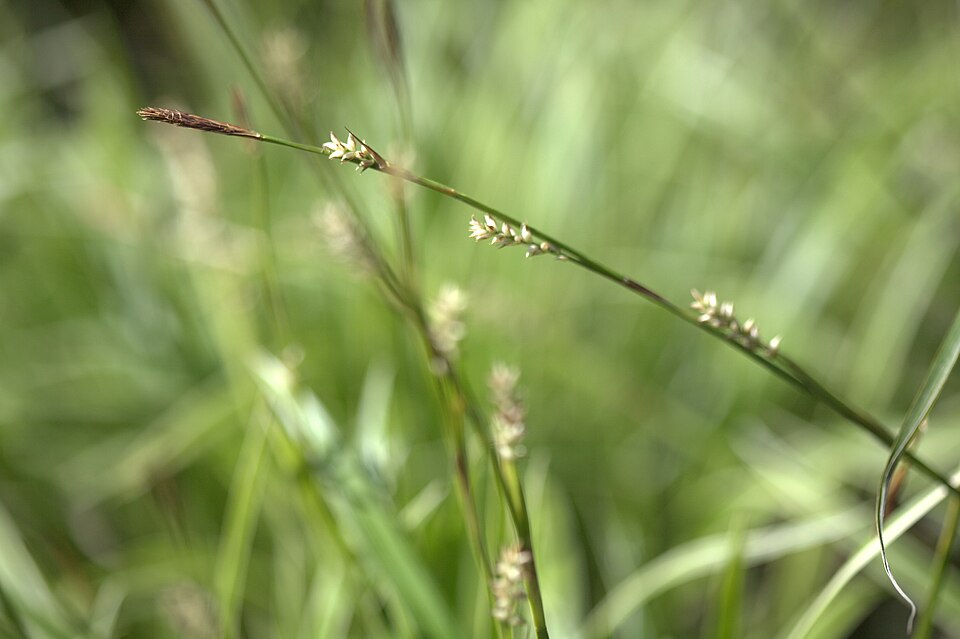
Inconspicuous brown flower spikes appear on short stems in March–April. Flowers are not an ornamental feature on this cultivar. The year-round variegated evergreen foliage carries the display.
Detailed Descriptions
Flower Description
Brown (inconspicuous)Foliage Description
Glossy dark green with white to creamy-white margins full length of each leafGrowing Conditions
Sun Requirements
Requires 2-5 hours of direct sunlight daily
• Full Sun: 6+ hours of direct sunlight
• Partial Shade: 3-6 hours of direct sunlight
• Full Shade: Less than 3 hours of direct sunlight
Care & Maintenance
Care Guide
Plant in moist, well-drained soil in partial to full shade. The cultivar tolerates deeper shade than most variegated grasses. Consistent moisture produces saturated foliage color; drought causes leaf-tip browning. In full sun leaves may scorch in hot climates. Slow rhizomatous spread fills an area in 2–3 years; thinning or division controls colony size where needed. Tattered winter foliage is cut back in early spring before new growth emerges. Slugs may damage new growth. No serious disease problems.Pruning
Previous year's foliage is cut back to 3–4 inches (8–10 cm) in late winter or early spring before new growth starts. In mild climates where foliage holds through winter, individual damaged leaves can be removed instead of shearing.Pruning Schedule
Prune: February–March
winterearly spring
Container Growing
Suitable for container growing
Minimum container size: 2 gallons