Carex, Genus, ornithopoda, Species, 'Variegata', Cultivar,
- Genus & species
- Cultivar
variegated Bird's foot sedge
Central and southern Europe (Alps, Balkans, Pyrenees)
Overview
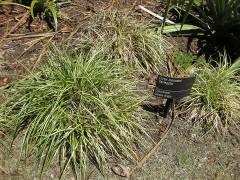
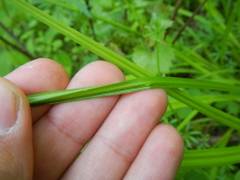
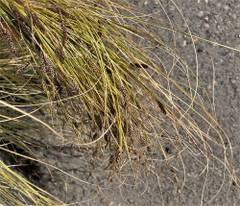
Carex ornithopoda 'Variegata' is a miniature, densely tufted, semi-evergreen sedge reaching 4–6 inches (10–15 cm) tall with a spread of 6–10 inches (15–25 cm). The cultivar carries green leaves with narrow creamy-white longitudinal stripes — a variegation pattern that contrasts with the solid golden foliage of 'Aurea'. Leaves are narrow, 0.08–0.12 inch (2–3 mm) wide, forming a compact arching rosette that radiates from a central crown in the characteristic bird's-foot pattern of the species. The white-striped variegation is consistent and visible year-round in mild climates. Small brown flower spikes appear on short stems in April–May but are inconspicuous among the foliage. Growth rate is slow. The plant does not spread by rhizomes; clumps enlarge gradually from the crown and may self-sow lightly. At 4–6 inches tall and 6–10 inches wide, the cultivar sits among the smaller-statured ornamental sedges in cultivation. Crown rot develops in wet, poorly drained soils. Partial shade carries saturated foliage quality; full sun scorches the white-striped areas, and deep shade reduces the contrast between the green and white.
Native Range
The species Carex ornithopoda is native to central and southern Europe, in the Alps, Balkans, and Pyrenees. It occurs on calcareous (limestone) rock ledges, alpine grasslands, and open woodlands from 1,500 to 7,000 feet (450–2,100 m). 'Variegata' was selected in cultivation.Suggested Uses
Used in rock gardens, alpine troughs, shaded border edges, and between stepping stones at 6–10 inch (15–25 cm) spacing. The miniature variegated rosette adds narrow-textured contrast among dark-foliaged alpines. Grows in containers of at least 1 gallon (4 L), including troughs and shallow pans. Functions as a small-scale accent in woodland plantings. Pairs with 'Aurea' in a two-tone gold-and-white display using the same species.How to Identify
Appearance
Size & Dimensions
Height4" - 6"
Width/Spread6" - 10"
Bloom Information
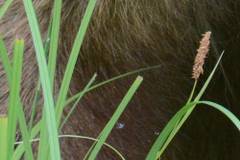
Inconspicuous brown flower spikes appear on short stems in April–May. Flowers are not an ornamental feature on this cultivar. The year-round variegated foliage carries the display.
Detailed Descriptions
Flower Description
Brown (inconspicuous)Foliage Description
Green with narrow creamy-white longitudinal stripesGrowing Conditions
Sun Requirements
Needs bright indirect light. Keep it out of direct sun, which can scorch the leaves.
• Bright indirect light: a bright spot near a window, with no direct sun on the leaves
Care & Maintenance
Care Guide
Plant in moist, well-drained soil in partial shade. Variegated foliage holds saturated color in bright indirect light; full sun scorches the white-striped areas, and deep shade reduces contrast. Tolerates alkaline soils, reflecting the limestone origins of the species. Good drainage is essential; crown rot develops in wet winter soils. Consistent moisture during the growing season prevents leaf-tip browning. Slow growth means clumps take 2–3 years to fill. No serious pest or disease problems.Pruning
Winter-damaged or straw-colored leaves are removed in early spring before new growth emerges. No shearing is required. The compact size limits the need for maintenance.Pruning Schedule
Prune: March
early spring
Container Growing
Suitable for container growing
Minimum container size: 1 gallons