Carex, Genus, sylvatica, Species,
- Genus & species
European woodland sedge
Europe, the Caucasus, and western Asia
Overview
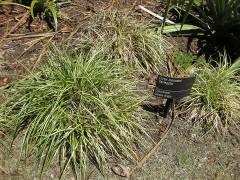
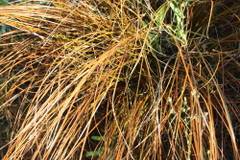
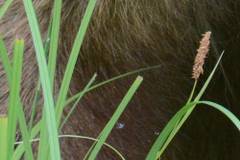
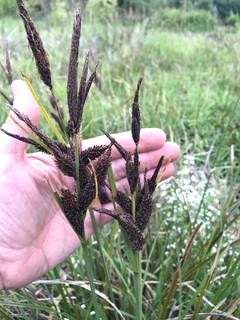
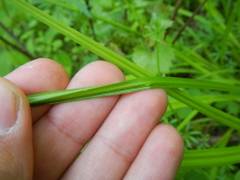
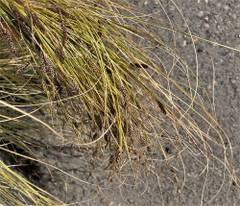
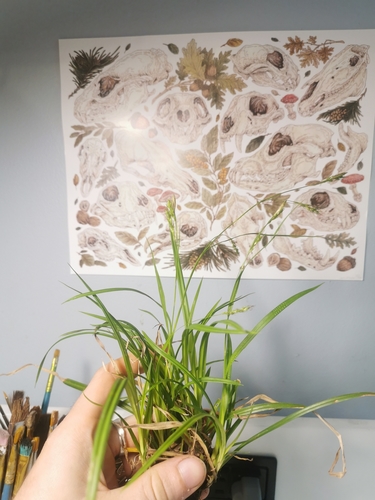
Carex sylvatica is a tufted, semi-evergreen perennial sedge growing 20-60 cm (8-24 in) tall, forming loose clumps of arching, soft, grass-like leaves 3-6 mm (0.12-0.24 in) wide. The mid-green blades are flat with rough margins and remain through mild winters. In late spring it produces slender flowering stems bearing a terminal male spike and three to five nodding female spikes on thread-like stalks, each 2-6 cm (0.8-2.4 in) long and turning straw-coloured as the seed ripens. It spreads slowly to form open patches and self-seeds in suitable ground. The species grows in damp, shaded deciduous woodland on moist, base-rich to neutral soils, and persists in dry shade once established. It tolerates conditions that suppress most grasses but declines in full sun or on parched soil. The slender, arching foliage and pendulous spikes give low ground cover that holds form through the growing season, with limited winter presence in cold climates.
Native Range
Carex sylvatica is native to Europe, from Britain and Scandinavia south to the Mediterranean and east into the Caucasus and western Asia. It is a plant of deciduous woodland, hedge banks, and shaded streamsides. It has naturalised in parts of North America.Suggested Uses
Carex sylvatica is used as ground cover in woodland gardens, shaded borders, and naturalistic plantings under trees and shrubs. It binds soil on shaded banks and streamsides. Spaced 30-40 cm (12-16 in) apart, plants knit into a low, arching carpet.How to Identify
Appearance
Size & Dimensions
Height8" - 2'
Width/Spread1' - 1'6"
Bloom Information
Inconspicuous flowers open from May to June, the spikes green at first. As seed develops through summer the female spikes lengthen and turn pale straw-brown while continuing to nod. Ripe utricles drop from mid to late summer.
Detailed Descriptions
Flower Description
green maturing to straw-brownFoliage Description
mid-greenGrowing Conditions
Sun Requirements
Tolerates up to 4 hours of direct sunlight daily
• Full Sun: 6+ hours of direct sunlight
• Partial Shade: 3-6 hours of direct sunlight
• Full Shade: Less than 3 hours of direct sunlight
Care & Maintenance
Care Guide
Grow in partial to full shade on moist, humus-rich, neutral to slightly alkaline soil; woodland gardens and shaded borders suit it. It tolerates dry shade beneath trees once its roots are established, though growth is fuller on consistently moist ground. The plant is hardy to hard frost across cool temperate zones. Full sun and dry, poor soil cause the foliage to scorch and thin. Established clumps need little attention beyond occasional division. Self-sown seedlings can be lifted and moved in spring.Pruning
Tattered or winter-burned foliage can be combed out or cut back in early spring before new leaves emerge. No regular trimming is otherwise needed. Seed heads are removed before ripening where self-seeding is unwanted.Container Growing
Suitable for container growing
Minimum container size: 2 gallons