Carex, Genus, stricta, Species,
- Genus & species
tussock sedge
{Carex stricta} is native to eastern North America — from Nova Scotia south to North Carolina and west to Minnesota — in marshes, wet meadows, and streambanks; the species name 'stricta' means 'upright'
Overview
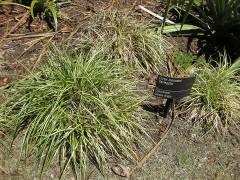
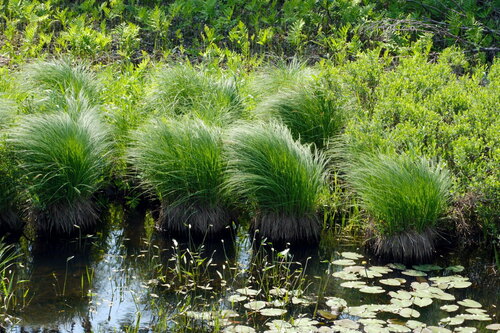
Carex stricta is tussock sedge — the foundation sedge of eastern North American marshes and fens, growing 24-36 inches (60-90 cm) tall and 18-24 inches (45-60 cm) wide. The species name 'stricta' means 'upright'. The defining trait: over years, C. stricta builds elevated tussock mounds — raised pedestals of accumulated roots and dead foliage that rise 6-18 inches (15-45 cm) above the waterline. These tussock mounds are ecologically critical features of eastern marshes, providing elevated microsites where other plants, frogs, turtles, and insects shelter above standing water. The tussock-building habit is specific to this species among commonly available sedges. Medium to dark green narrow stiffly upright foliage. Wet to waterlogged soil — standing water is natural. Hardy to zone 3. The most ecologically important native wetland sedge in eastern North America. Golden-yellow fall color.
Native Range
Carex stricta is native to eastern North America — from Nova Scotia south to North Carolina and west to Minnesota.Suggested Uses
Used in wetland restoration, marsh creation, rain gardens, and pond margins. The ecologically critical tussock-forming sedge. The foundation species of eastern marshes. The tussock mounds give wildlife habitat.How to Identify
Appearance
Size & Dimensions
Height2' - 3'
Width/Spread1'6" - 2'
Colors
Bloom Information
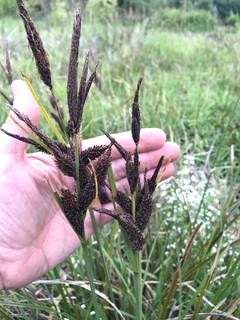
Spikelets in April and May. The tussock mound formation and the dense green wetland foliage are the functional displays.
Detailed Descriptions
Flower Description
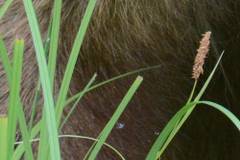
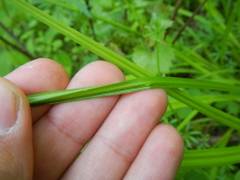
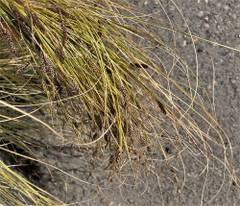
Green to brown in slender spikeletsFoliage Description
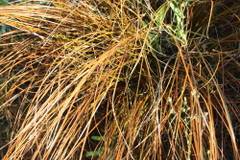
Medium to dark green narrow stiffly upright to archingGrowing Conditions
Sun Requirements
Requires 4-10 hours of direct sunlight daily
• Full Sun: 6+ hours of direct sunlight
• Partial Shade: 3-6 hours of direct sunlight
• Full Shade: Less than 3 hours of direct sunlight
Care & Maintenance
Care Guide
Plant in full sun to partial shade. Wet to waterlogged soil — standing water is natural. Established tussock mounds should be left intact. Hardy to zone 3.Pruning
Clean up dead foliage in early spring but leave the accumulated tussock mound structure intact — it is the ecological feature.Pruning Schedule
Prune: March
early spring