Carex, Genus, lyngbyei, Species,
- Genus & species
Lyngby's sedge
Alaska south through BC, Washington, Oregon, and northern California; coastal salt marshes, brackish tidal flats, and tidal freshwater wetlands
Overview
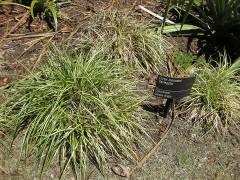
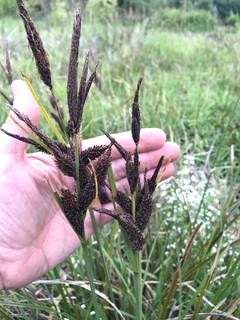
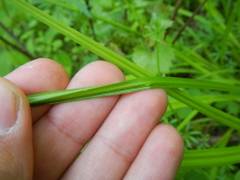
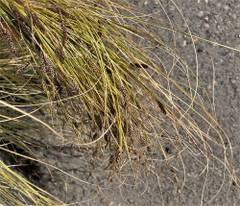
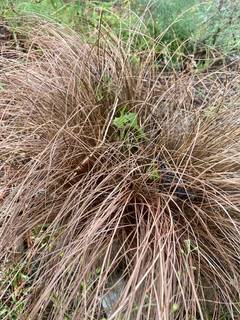
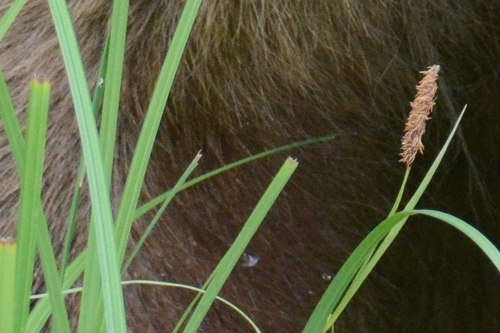
Carex lyngbyei is a deciduous rhizomatous sedge in the Cyperaceae family native to coastal salt marshes and brackish tidal wetlands from Alaska south to northern California. Plants grow 2-4 feet (60-120 cm) tall and spread vigorously by stout rhizomes to form extensive colonies in regularly flooded saline substrates. Flat green leaves 0.2-0.5 inch (5-12 mm) wide arch outward from the base of triangular flowering culms. Inflorescences appear May to July as 2-5 drooping cylindrical spikes 1-3 inches (2.5-7.5 cm) long held on slender peduncles, with the upper spikes male and the lower spikes female; the female spikes mature into dense clusters of brown perigynia. C. lyngbyei is a primary structural component of Pacific Northwest salt marshes and tolerates regular tidal inundation by saline water. The vigorous rhizomatous spread excludes its use in small plantings, but it is widely used in coastal estuarine restoration and shoreline stabilization. Foliage dies back in fall and the plant re-emerges from the rhizome in spring; winter standing dead culms persist in undisturbed sites until storm tides remove them.
Native Range
Native to coastal salt marshes, brackish tidal flats, and tidal freshwater wetlands from Alaska south through British Columbia, Washington, Oregon, and northern California, growing in regularly flooded, saline to brackish substrates.Suggested Uses
Used in coastal salt marsh restoration, brackish estuary plantings, shoreline stabilization, and constructed tidal wetlands within Pacific coast native ranges. Spaced 18-24 inches (45-60 cm) apart, plants form continuous tidal marsh cover within 2-3 seasons. Not suited to ornamental gardens, mixed perennial borders, or non-tidal inland sites.How to Identify
Appearance
Size & Dimensions
Height2' - 4'
Width/Spread1'6" - 2'
Bloom Information
Inflorescences appear May to July as 2-5 drooping cylindrical spikes 1-3 inches (2.5-7.5 cm) long held on slender peduncles. Upper spikes are male and shed pollen for 1-2 weeks; lower female spikes persist into late summer and mature into dense clusters of brown perigynia. Wind-pollinated.
Detailed Descriptions
Foliage Description
GreenGrowing Conditions
Sun Requirements
Requires 6-12 hours of direct sunlight daily
• Full Sun: 6+ hours of direct sunlight
• Partial Shade: 3-6 hours of direct sunlight
• Full Shade: Less than 3 hours of direct sunlight
Care & Maintenance
Care Guide
Site C. lyngbyei in full sun in coastal salt marshes, brackish tidal flats, estuarine restoration zones, or constructed tidal wetlands within its native Pacific coast range. Tolerates regular tidal inundation by saline water and full immersion at high tide. Plant rhizome divisions or plug stock in spring at low tide, spacing 18-24 inches (45-60 cm) apart in saturated saline substrate. Water with brackish or salt water during establishment if planted in non-tidal trial sites. The vigorous rhizomatous spread will fill an entire restoration polygon within 2-3 seasons, and excludes the plant from small ornamental plantings. Not suited to inland gardens or freshwater wetland sites.Pruning
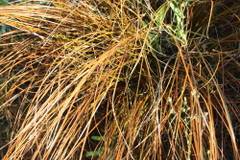
No pruning is required. Foliage dies back in fall and standing dead culms persist into winter; storm tides typically clear the senescent material from coastal sites. In constructed wetland or restoration plantings, dead culms can be cut to the base in late winter for visual cleanup if desired.Pruning Schedule
Prune: February
winter