Image 1 of 10
Photo credit unavailable
1 / 10
Carex, Genus, pensylvanica, Species,
- Genus & species
Pennsylvania sedge
Eastern North America: Quebec and Manitoba south to Georgia, Alabama, Arkansas
Overview
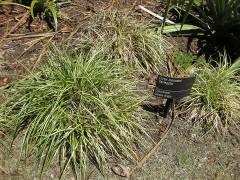
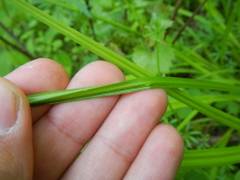
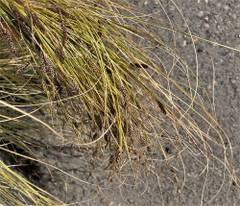
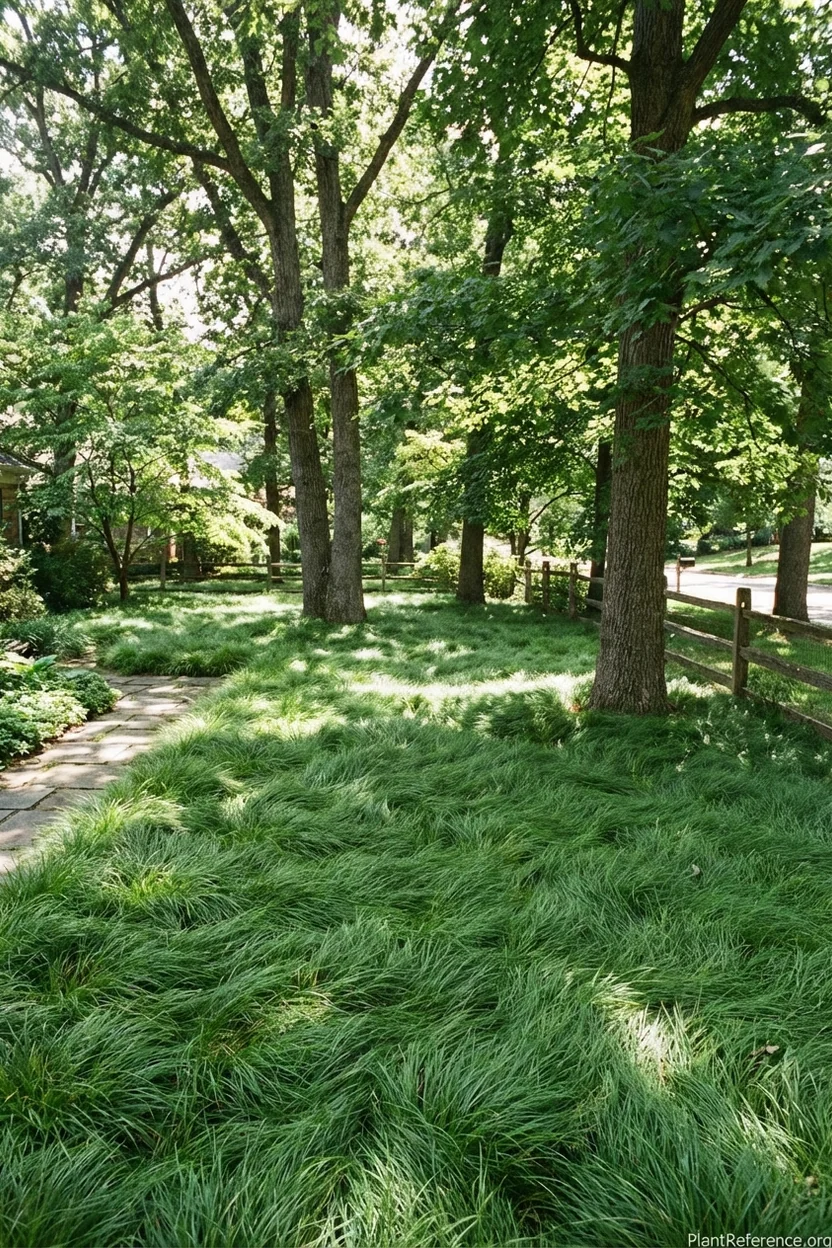
Carex pensylvanica is a rhizomatous semi-evergreen perennial sedge in the family Cyperaceae growing 6-10 inches (15-25 cm) tall and spreading by slender rhizomes to form a dense sod-like mat of indefinite extent. Leaves are narrow, 1.5-3 mm wide, bright to dark green, arching, with a narrow-bladed texture resembling an unmowed lawn. The species is widely promoted as a native sedge for lawn replacement in eastern North America: it forms a dense narrow-leaved groundcover that requires no mowing, fertilization, or irrigation once established. Spreads at a rate of 4-8 inches (10-20 cm) per year by rhizomes, achieving full coverage within 2-3 years when planted on 8-10 inch (20-25 cm) centres. The inflorescence is a single terminal male spike with 1-2 small female spikes clustered below, appearing in April through May before most lawn grasses green up. Tolerates dry shade, foot traffic (moderate), and acidic to neutral soils. Native to open deciduous woodland, dry rocky slopes, and savanna habitats across eastern North America. Unlike C. appalachica, the species tolerates moderate sun exposure and forms a denser more sod-like mat due to more aggressive rhizome spreading. Does not tolerate wet or waterlogged soil.
Native Range
Carex pensylvanica is native to eastern North America, from Quebec and Manitoba south through the eastern United States to Georgia, Alabama, and Arkansas. The species occurs in dry to mesic deciduous woodlands, oak savannas, rocky slopes, and sandy woodland openings on acidic to neutral soils.Suggested Uses
A native sedge lawn alternative widely planted in eastern North America to replace conventional turfgrass in shaded to partially sunny residential settings. The dense mat suppresses weeds once established. No mowing, fertilizing, or irrigating required. Used in woodland gardens, shade gardens, erosion control on dry slopes, and as an understory groundcover in native plant restorations. In the Pacific Northwest, suited to dry shade under deciduous trees on acidic soil. Not suited to wet sites, heavy clay, or high-traffic play areas.How to Identify
Appearance
Size & Dimensions
Height6" - 10"
Width/Spread1' - 2'
Bloom Information
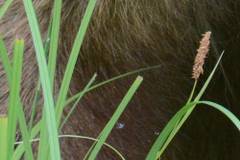
Inconspicuous spikes appear from April through May, an early-flowering window for sedges. A single terminal male spike 0.5-0.75 inch (12-18 mm) long with 1-2 female spikes below. Wind-pollinated. Utricles ripen by June.
Detailed Descriptions
Flower Description
Brown (inconspicuous); single terminal male spike with 1-2 female spikes belowFoliage Description
Bright to dark green; narrow 1.5-3 mm wide; arching; narrow-bladed; semi-evergreenGrowing Conditions
Sun Requirements
Requires 2-6 hours of direct sunlight daily
• Full Sun: 6+ hours of direct sunlight
• Partial Shade: 3-6 hours of direct sunlight
• Full Shade: Less than 3 hours of direct sunlight
Care & Maintenance
Care Guide
Plugs are planted 8-10 inches (20-25 cm) apart in partial shade to partial sun in dry to mesic acidic to neutral soil at pH 4.5-7.0. Tolerates sandy, loamy, and rocky soils. Watered during the first growing season; once established, irrigation is unnecessary except during severe drought. Fertilizer is not used. Mowed once in late winter (February through March) to 3-4 inches (8-10 cm) if a tidier appearance is desired, but mowing is not required. The species tolerates moderate foot traffic, sufficient for a pedestrian path but not a play area. Full coverage from plugs in 2-3 years.Pruning
Mowed once annually in late winter to 3-4 inches (8-10 cm) to remove old foliage before spring green-up. No other management is needed. Mowing during the growing season is not done; the species maintains a self-regulating height of 6-10 inches (15-25 cm).Pruning Schedule
Prune: February–March
early spring