Carex, Genus, nigra, Species,
- Genus & species
smooth black sedge
Europe, Asia, North Africa, and North America
Overview
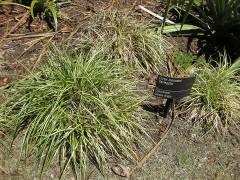
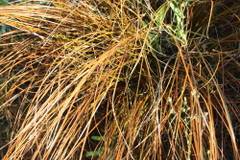
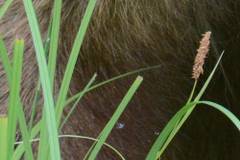
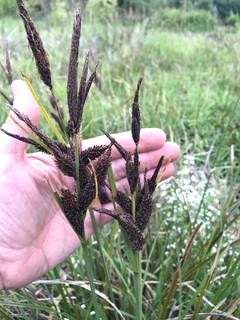
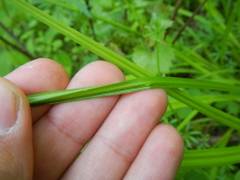
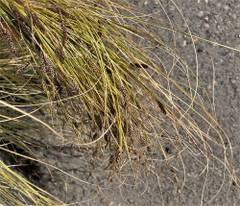
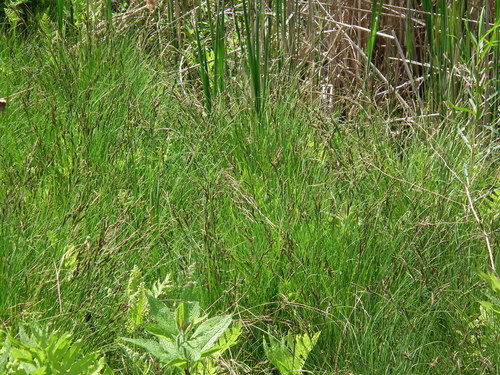
Carex nigra is a variable perennial sedge 4-28 inches (10-70 cm) tall, spreading by creeping rhizomes to form loose patches or low tufts. The narrow leaves are flat to channelled and often bluish- or grey-green, roughly as long as the flowering stems. Each stem carries one or two narrow male spikes at the top and one to four shorter female spikes below; the glumes are blackish with a green midrib, giving the spikes a dark look, while the egg-shaped fruits (utricles) are green to grey. It grows in wet grassland, marshes, fens, bog margins, and lake shores, on acidic to neutral soils. It tolerates poor, waterlogged ground but, as a low sedge, is overtopped by taller marsh plants on richer sites. Its size and growth habit vary widely with conditions.
Native Range
Native across Europe, northern and western Asia, North Africa, and parts of North America, growing in wet, open habitats. In Britain it is common and widespread on wet ground throughout.Suggested Uses
Grown in bog gardens, pond and stream margins, wet meadows, and rain gardens, and used in wetland restoration and erosion control on wet ground. Its rhizomes bind soft, waterlogged soil. It also features in naturalistic and wildlife plantings.How to Identify
Appearance
Size & Dimensions
Height4" - 2'4"
Width/Spread8" - 1'6"
Bloom Information
Detailed Descriptions
Flower Description
Blackish with greenFoliage Description
Bluish-greenGrowing Conditions
Sun Requirements
Requires 4-12 hours of direct sunlight daily
• Full Sun: 6+ hours of direct sunlight
• Partial Shade: 3-6 hours of direct sunlight
• Full Shade: Less than 3 hours of direct sunlight
Care & Maintenance
Care Guide
Carex nigra grows in full sun to light shade on wet, acidic to neutral soils at a soil pH of about 4.5-7.0. It needs ground that stays moist to wet and tolerates seasonal flooding and poor, low-nutrient soils. The creeping rhizomes spread it into loose colonies, and it can be divided in spring. It is hardy to about USDA zone 3 and withstands hard frost and exposure. Old leaves persist into winter and die back to the base in spring. It tolerates a wide range of wet sites but fades from dry or heavily fertilised ground.Pruning
Carex nigra needs little care. Old, tatty foliage can be combed out or cut back in early spring before new growth, and clumps can be divided then to keep them tidy.Container Growing
Suitable for container growing
Minimum container size: 2 gallons