Carex, Genus, frankii, Species,
- Genus & species
Frank's sedge
Central and eastern North America — from New York south to Florida and west to Texas, in wet ditches, floodplains, and streambanks
Overview
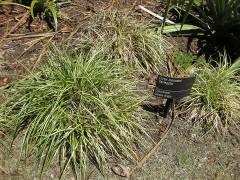
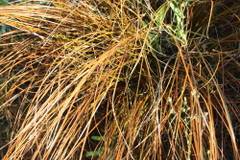
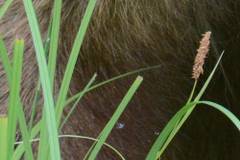
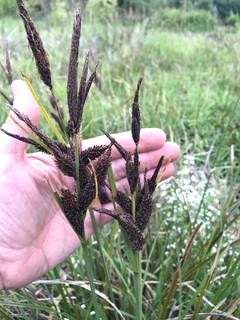
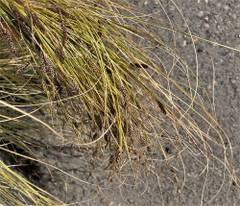
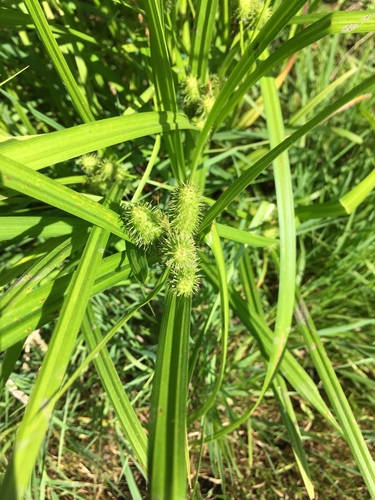
Carex frankii is Frank's sedge in the Cyperaceae family — a native wet-soil sedge with miniature cattail-like seed heads, growing 12-24 inches (30-60 cm) tall and 12-18 inches (30-45 cm) wide. Named after Joseph Frank, the German botanist. The species carries fat bristly cylindrical spikelets that closely resemble tiny cattails (Typha) — a seed head form that no other common sedge produces and is highly ornamental. The bristly seed heads are green in summer, aging to brown in fall, and persisting through winter. Medium green wide upright to arching leaves. Thrives in wet to waterlogged conditions — ditches, floodplains, streambanks, and rain gardens. Tolerates standing water and clay. Clumping habit. Sun to partial shade. Hardy to zone 4. The mini-cattail seed heads make this a recognizable wet-soil sedge. Deer avoid sedge foliage.
Native Range
Carex frankii is native to central and eastern North America — from New York south to Florida and west to Texas.Suggested Uses
Used in rain gardens, streambanks, wet meadows, and bioswales. The miniature cattail seed heads are the primary feature. A conversation-piece sedge. Wet-soil native with recognizable ornamental value.How to Identify
Appearance
Size & Dimensions
Height1' - 2'
Width/Spread1' - 1'6"
Colors
Bloom Information
Spikelets in June and July. The bristly mini-cattail seed heads persist through fall and winter.
Detailed Descriptions
Flower Description
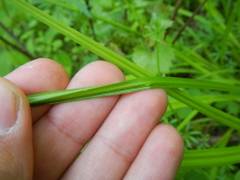
Green aging to brown, in fat bristly cylindrical spikelets resembling tiny cattailsFoliage Description
Medium green, wide, upright to archingGrowing Conditions
Sun Requirements
Requires 4-10 hours of direct sunlight daily
• Full Sun: 6+ hours of direct sunlight
• Partial Shade: 3-6 hours of direct sunlight
• Full Shade: Less than 3 hours of direct sunlight
Care & Maintenance
Care Guide
Plant in full sun to partial shade. Wet to waterlogged soil. Tolerates standing water and clay. Hardy to zone 4.Pruning
All growth is cut to ground in early spring.Pruning Schedule
Prune: March
early spring