Carex, Genus, decomposita, Species,
- Genus & species
cypress-knee sedge
Southeastern United States, from Virginia south to Florida and west to Louisiana, in cypress swamps and bottomland forests
Overview
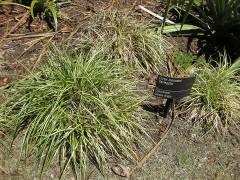
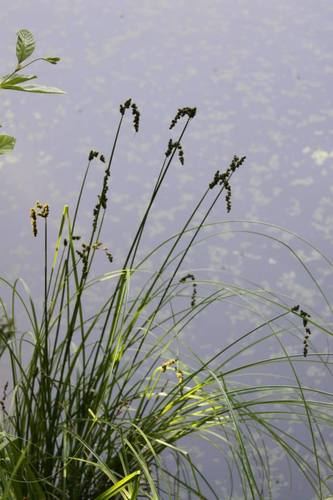
Carex decomposita is cypress-knee sedge, a rare native sedge that in the wild grows epiphytically on cypress knees, rotting logs, and tree bases in deep swamp shade. Plants grow 12-24 inches (30-60 cm) tall and 12-18 inches (30-45 cm) wide. The species name 'decomposita' refers to the compound (decomposed) spikelet structure. Dark green narrow arching leaves form a graceful clump. The epiphytic habit in nature (growing on decaying wood above the swamp waterline) sets the species apart from most common sedges. In cultivation, planted in consistently wet, acidic, humus-rich shade. Dense clustered compound brown spikelets in late spring. The deep-shade, deep-wet tolerance suits this specialist sedge to the most extreme shade-and-wet garden conditions. Semi-evergreen. Hardy to zone 5. Considered rare or threatened in parts of its range. Deer avoid sedge foliage.
Native Range
Carex decomposita is native to the southeastern United States, from Virginia south to Florida and west to Louisiana, in cypress swamps and bottomland forests.Suggested Uses
Used in wet woodland gardens, swamp edge plantings, and bog gardens. The specialist sedge for the wettest, shadiest conditions. Conservation value, as the species is rare in parts of its range. A botanical curiosity for sedge collectors.How to Identify
Appearance
Size & Dimensions
Height1' - 2'
Width/Spread1' - 1'6"
Bloom Information
Spikelets in May and June. The dark green foliage in deep wet shade is the year-round display.
Detailed Descriptions
Flower Description
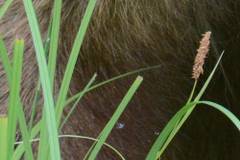
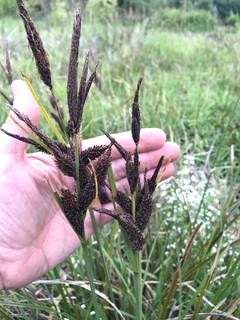
Brown to dark brown; in dense clustered compound spikeletsFoliage Description
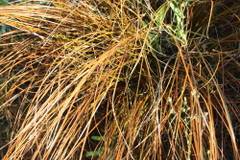
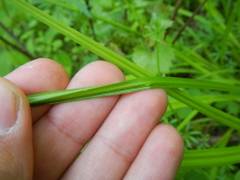
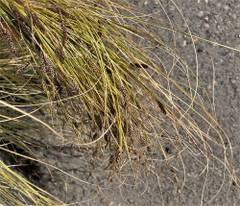
Dark green; narrow archingGrowing Conditions
Sun Requirements
Requires 2-5 hours of direct sunlight daily
• Full Sun: 6+ hours of direct sunlight
• Partial Shade: 3-6 hours of direct sunlight
• Full Shade: Less than 3 hours of direct sunlight
Care & Maintenance
Care Guide
Sited in partial to full shade. Wet, acidic, humus-rich soil. Tolerates standing water. Hardy to zone 5. A specialist for extreme shade-and-wet conditions.Pruning
Cleaned up in early spring.Pruning Schedule
Prune: March
early spring