Image 1 of 3
1 / 3
Plant Reference
Brassica, Genus, oleracea, Species, 'Red Acre', Cultivar,
- Genus & species
- Cultivar
red acre cabbage
Coastal Europe (B. oleracea cabbage; Red Acre heirloom; most compact red cabbage; anthocyanin purple-red; pH-responsive color; stores 2-3 months)
Overview
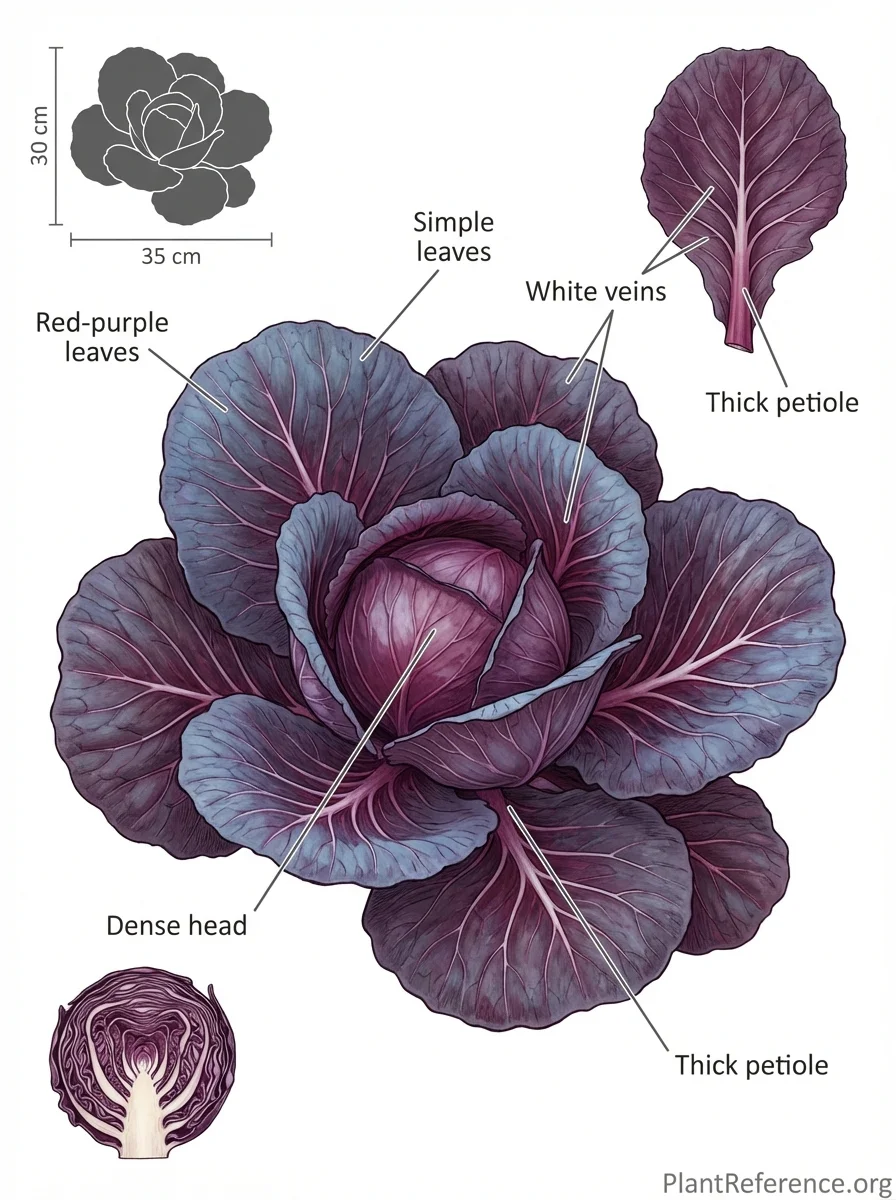
Brassica oleracea 'Red Acre' is an annual vegetable reaching 10-12 inches (25-30 cm) tall with a spread of 18-24 inches (45-60 cm) and a compact, low, spreading habit with a central round head. An heirloom red cabbage, it produces round, dense, solid heads 5-7 inches (13-18 cm) in diameter weighing 2-4 pounds (0.9-1.8 kg) with deep reddish-purple outer leaves and a tightly packed reddish-purple interior. The most compact red cabbage—well-suited to small gardens. Days to maturity 75-85 from transplant. Growth rate is moderate. Anthocyanin pigments produce the purple-red color—color intensifies in acidic conditions (vinegar, lemon juice) and turns blue in alkaline. Tolerates light frost—cold sweetens flavor. Shorter and more compact than most red cabbages.
Native Range
Brassica oleracea (cabbage group) descended from wild cabbage native to coastal Europe.Suggested Uses
Grown in vegetable gardens for culinary use—coleslaw, braising, pickling, salads. Deep reddish-purple color. Most compact red cabbage—small garden suited. 2-4 lb heads. Color changes with pH (acidic=redder, alkaline=bluer). Stores 2-3 months. Frost sweetens. 75-85 days. Not suitable where large red heads are needed.How to Identify
Appearance
Size & Dimensions
Height10" - 1'
Width/Spread1'6" - 2'
Bloom Information
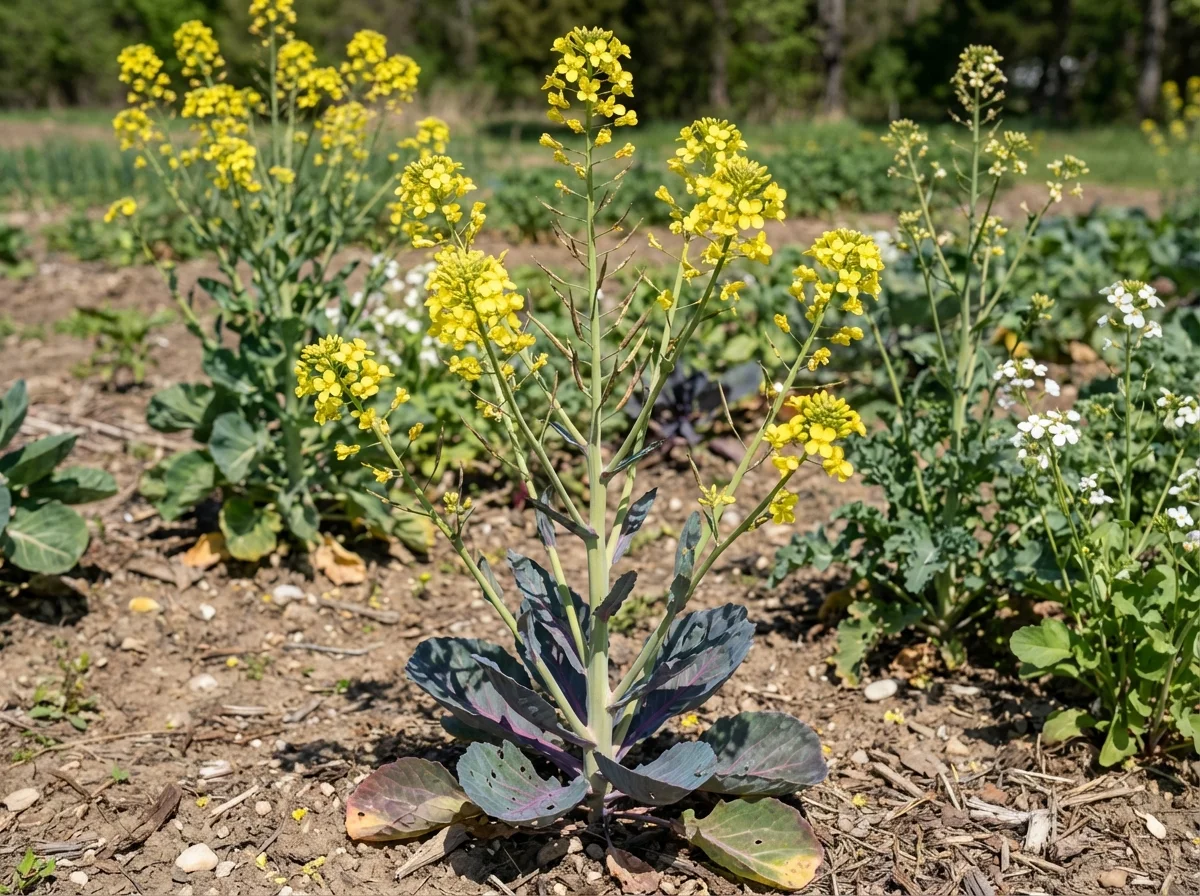
Yellow four-petaled flowers if overwintered. Harvest when head is firm and solid. Resistant to splitting.
Detailed Descriptions
Flower Description
Yellow; four-petaled; bolting onlyFoliage Description
Deep reddish-purple; dense round head 5-7 inches; anthocyanin pigmentGrowing Conditions
Sun Requirements
Requires 6-8 hours of direct sunlight daily
• Full Sun: 6+ hours of direct sunlight
• Partial Shade: 3-6 hours of direct sunlight
• Full Shade: Less than 3 hours of direct sunlight
Care & Maintenance
Care Guide
Start seed indoors 6-8 weeks before last frost. Transplant into rich, moist soil (pH 6.0-7.0). Consistent moisture. Heavy feeder. Days to maturity 75-85 from transplant. Compact habit allows 18 inch (45 cm) spacing. Harvest when heads are firm. Stores 2-3 months refrigerated—longer than green cabbages.Pruning
No pruning needed. Harvest entire head by cutting at base.Container Growing
Suitable for container growing
Minimum container size: 5 gallons
Toxicity
Non-toxicPlanting Guide
Botanical Flashcard