Image 1 of 3
1 / 3
Plant Reference
Brassica, Genus, oleracea, Species, 'Waltham 29', Cultivar,
- Genus & species
- Cultivar
Waltham 29 broccoli
Coastal Europe (species origin); cultivar developed at UMass Waltham Field Station in 1954
Overview
Brassica oleracea 'Waltham 29' is an annual vegetable in the family Brassicaceae reaching 18-24 inches (45-60 cm) tall and 18-24 inches (45-60 cm) wide with an upright compact habit. The cultivar was developed at the University of Massachusetts Waltham Field Station in 1954 and produces a medium to large central head 4-6 inches (10-15 cm) in diameter (larger than 'Di Cicco') with tight uniform dark green buds, followed by side shoots. The '29' refers to the 29th selection in the breeding program. Days to maturity are 65-80 from transplant. Growth rate is moderate. The cultivar was a 1954 All-America Selections winner and is bred specifically for late-fall harvest, with cold tolerance that allows production into freezing weather across most temperate regions. Open-pollinated. Produces both a sizable central head and moderate side shoots.
Native Range
Brassica oleracea (italica group, broccoli) descended from wild cabbage native to coastal Europe. The cultivar 'Waltham 29' was developed at UMass Waltham Field Station in 1954.Suggested Uses
Grown in vegetable gardens for culinary use: steaming, roasting, stir-fry, and raw. Larger central head than 'Di Cicco'. 1954 AAS winner from UMass Waltham. Cold-tolerant late-fall broccoli for most climates. Open-pollinated and suitable for seed saving. Produces both central head and side shoots over 65-80 days. Not suited to the earliest harvest window (where 'Di Cicco' matures faster) or single-cut commercial harvest (where modern hybrids are uniform).How to Identify
Appearance
Size & Dimensions
Height1'6" - 2'
Width/Spread1'6" - 2'
Bloom Information
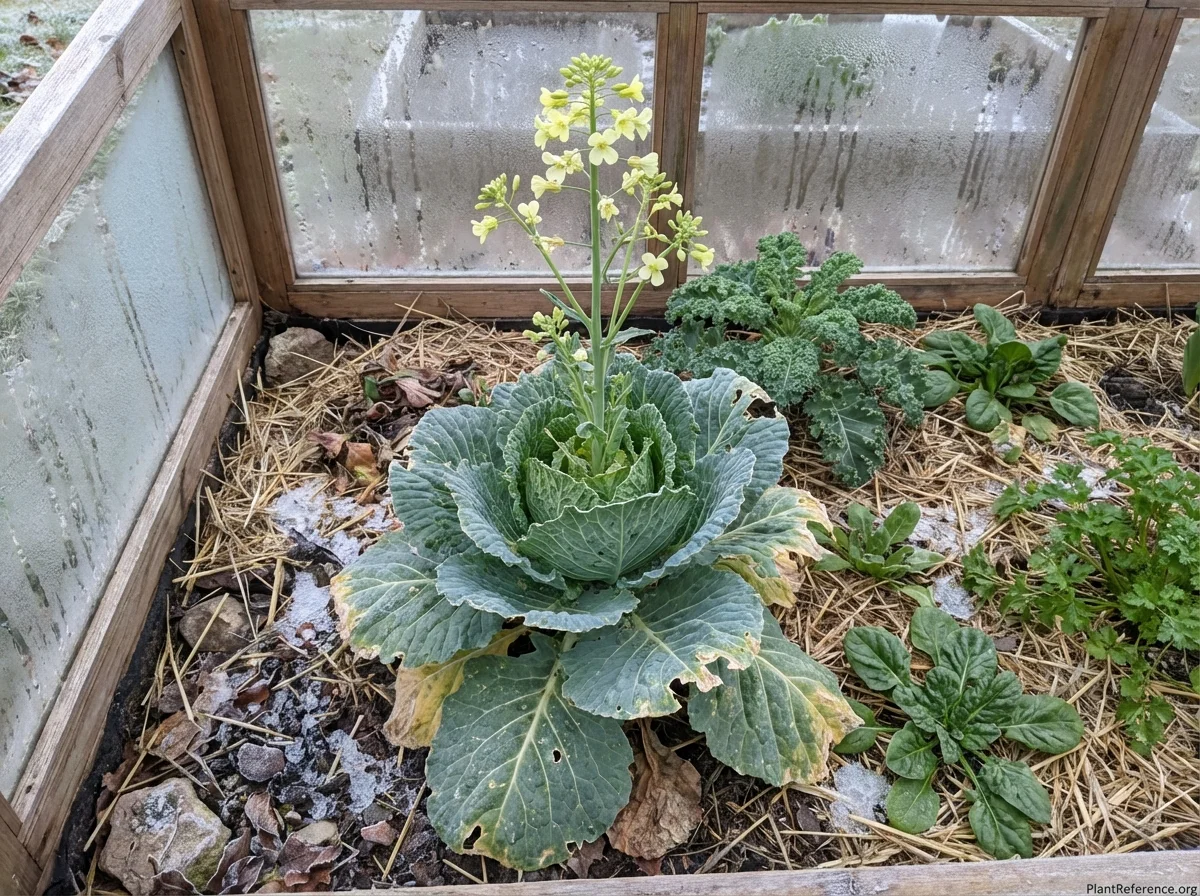
Yellow four-petaled flowers if heads are not harvested. Harvest takes the central head when buds are tight and dark green, before any yellow appears. Side shoots continue for 2-3 weeks.
Detailed Descriptions
Flower Description
Yellow; four-petaled; harvest takes the head before any yellow appearsFoliage Description
Blue-green; large outer leaves; central dark green head 4-6 inches plus subsequent side shoots; deciduousGrowing Conditions
Sun Requirements
Requires 6-8 hours of direct sunlight daily
• Full Sun: 6+ hours of direct sunlight
• Partial Shade: 3-6 hours of direct sunlight
• Full Shade: Less than 3 hours of direct sunlight
Care & Maintenance
Care Guide
Seeds are started indoors 6-8 weeks before the last frost or direct-sown in midsummer for fall harvest. Rich moist well-drained soil at pH 6.0-7.0. Consistent moisture. Days to maturity are 65-80 from transplant. Cold tolerance allows production into freezing weather, and 'Waltham 29' is bred specifically for late-fall harvest in most climates. Cut the central head when 4-6 inches with tight buds. Plants are left after central-head harvest for side-shoot production.Pruning
Cut the central head with 5-6 inches (13-15 cm) of stem. Plants are left for side shoots over the following 2-3 weeks. Side shoots are harvested at 2-3 inches.Container Growing
Suitable for container growing
Minimum container size: 5 gallons
Toxicity
Non-toxicBotanical Flashcard