Image 1 of 2
1 / 2
Plant Reference
Brassica, Genus, oleracea, Species, 'Georgia Southern', Cultivar,
- Genus & species
- Cultivar
Georgia southern collard greens
Species native to coastal cliffs of southern and western Europe (Britain, France, Spain, the Mediterranean coast); 'Georgia Southern' cultivar is a traditional Southern United States heirloom in continuous cultivation since at least the 1800s; commercially grown across southeastern United States and in home gardens nationally
Overview
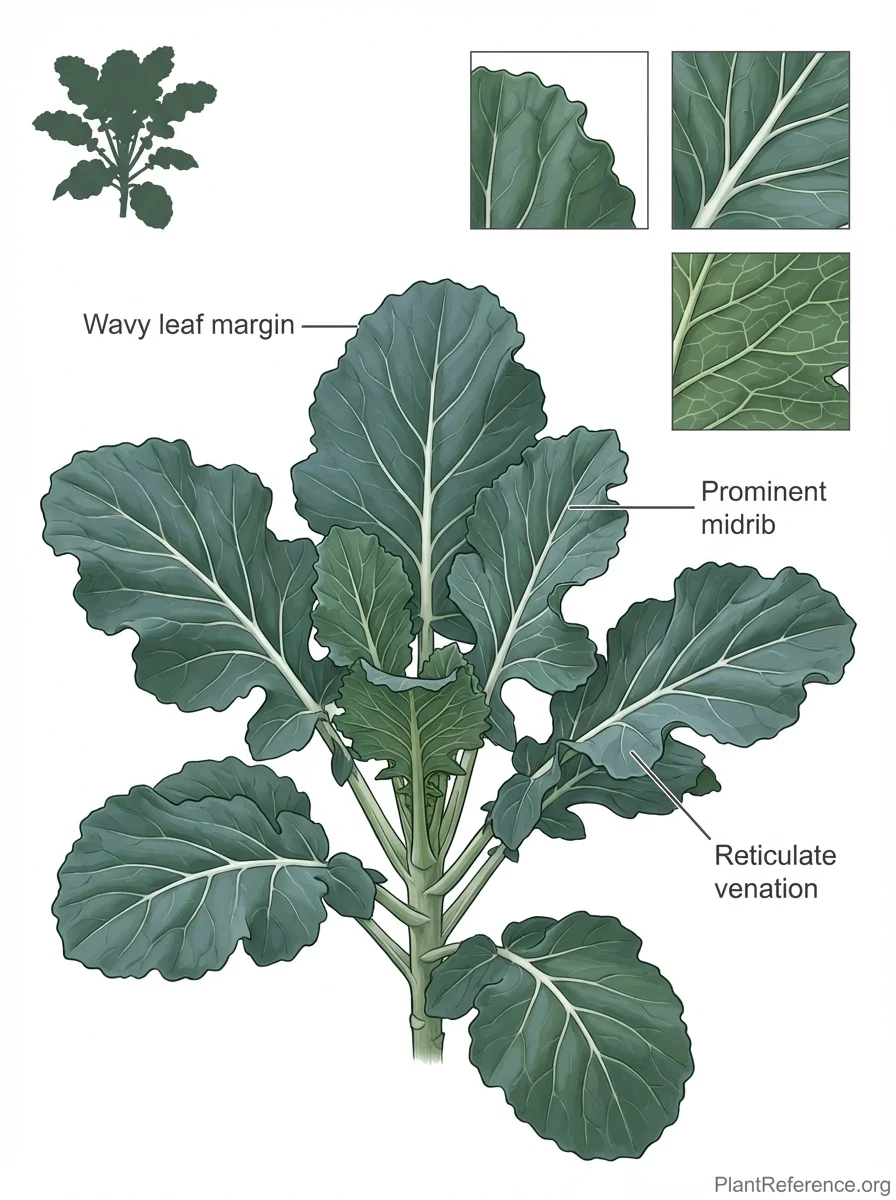
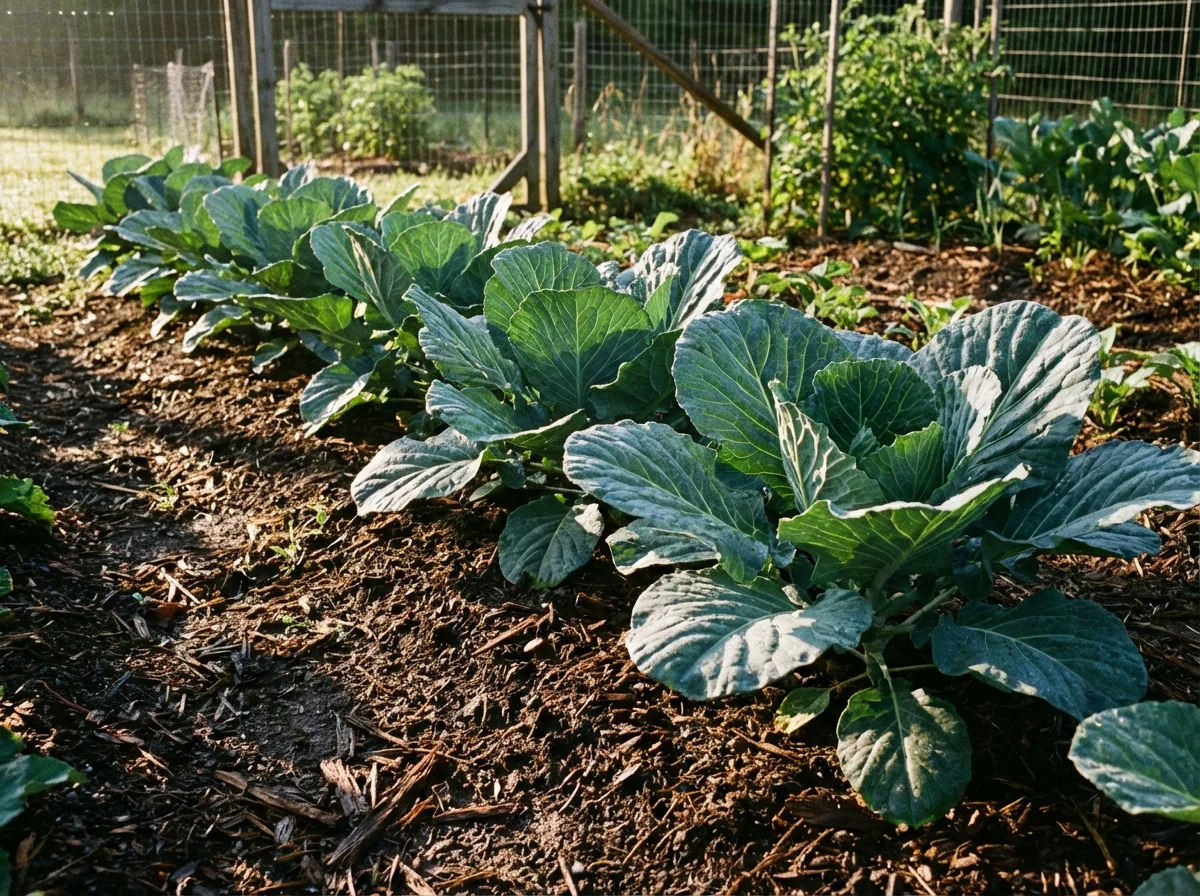
Brassica oleracea 'Georgia Southern' (Acephala Group) is an annual or short-lived biennial leafy green vegetable in the mustard family (Brassicaceae) reaching 24–36 inches (60–90 cm) tall and 24–30 inches (60–75 cm) wide in an upright open non-heading rosette habit on a thick central stem. The cultivar is a traditional Southern United States heirloom collard widely grown across the South since at least the 1800s and produces large thick smooth blue-green paddle-shaped leaves 10–14 inches (25–35 cm) long and 8–10 inches (20–25 cm) wide on long petioles — the standard collard green leaf form that dominates Southern US vegetable garden production and the cooked-greens segment of the regional culinary tradition. The plant does not form a head; leaves are harvested individually from the bottom up across the growing season as they reach full size, leaving the central growing point intact for continued leaf production over 4–6 months. Days to maturity run 60–80 from transplant for full-size leaves, with baby greens harvestable at 30 days from sowing. The cultivar runs cold-hardy to 15°F (-9°C) — substantially more cold-tolerant than other brassica leaf vegetables — and flavor sweetens markedly after frost as cold exposure converts leaf starch to sugar. Heat-tolerant for a brassica, 'Georgia Southern' produces edible leaves through Southern US summers when most other cool-season greens bolt or die back. Not known to be toxic to pets or humans.
Native Range
The species Brassica oleracea (Acephala Group, the non-heading collard and kale group) descended from wild cabbage native to the rocky coastal cliffs of southern and western Europe (Britain, France, Spain, the Mediterranean coast). The 'Georgia Southern' cultivar is a traditional Southern United States heirloom in continuous cultivation across the South since at least the 1800s, with the cultivar name reflecting its long association with Georgia and the broader American South. The cultivar is grown commercially across the southeastern United States and in home gardens nationally for the cooked-greens market.Suggested Uses
Grown in vegetable gardens, raised beds, and container plantings (5+ gallon containers per plant) for culinary use across the traditional Southern US cooked-greens preparations: long-braised collards with smoked pork (ham hock, fatback, smoked turkey), pot likker (the broth left after braising — served as a soup or used as a cooking liquid for cornbread and rice), sautéed quick collards with garlic and chili flake, soul-food and Brazilian feijoada accompaniment, and the New Year's Day Hoppin' John tradition where collards are served alongside black-eyed peas. The thick smooth leaves hold their shape and texture across long braising (1–3 hours of slow cooking) better than thinner-leaved kale or chard, which is the principal culinary feature that separates collards from other cooking greens in Southern recipe traditions. The cultivar is a teaching example in Southern US food heritage curricula and in heirloom vegetable preservation programs. The cut-and-come-again harvest window of 4–6 months from a single planting produces substantially more leaf biomass per square foot than single-harvest brassica vegetables (cabbage, broccoli, cauliflower). The cultivar is unsuitable for raw salad use at full leaf size — the thick coarse leaves require cooking; baby leaves at 30 days are tender enough for raw salad applications.How to Identify
Appearance
Size & Dimensions
Height2' - 3'
Width/Spread2' - 2'6"
Bloom Information
Yellow four-petaled cruciform flowers — typical of Brassicaceae — appear on tall flowering stalks in the second year of growth (or in the first year if plants are vernalized by extended cold exposure during seedling establishment). The cultivar is harvested for leaves before bolting in nearly all production contexts, and bolting plants are pulled and composted as the leaves typically run bitter once the flowering stalk emerges. Some plants overwinter under heavy mulch in mild Southern winters and bolt in the following spring before being removed.
Detailed Descriptions
Flower Description
Yellow; four-petaled cruciform (only in second year of growth or after vernalization); flowering stalks elongate above the foliage rosetteFoliage Description
Blue-green; large thick smooth paddle-shaped 10-14 inches long and 8-10 inches wide; on long petiolesGrowing Conditions
Sun Requirements
Requires 4-8 hours of direct sunlight daily
• Full Sun: 6+ hours of direct sunlight
• Partial Shade: 3-6 hours of direct sunlight
• Full Shade: Less than 3 hours of direct sunlight
Care & Maintenance
Care Guide
Start seed indoors 6–8 weeks before the last frost date in cell trays, or direct sow outdoors in spring after the last frost or in late summer (60–90 days before the first hard frost) for a fall crop. Transplant or thin seedlings to 18–24 inches (45–60 cm) apart in rows 24–30 inches (60–75 cm) apart. Grow in full sun to partial shade (4 or more hours of direct light) in rich moist well-drained loam at pH 6.0–7.5. The cultivar is a heavy feeder requiring compost incorporation at planting and supplemental side-dressing with balanced fertilizer every 4–6 weeks across the growing season. Maintain consistent moisture for tender leaves; drought-stressed plants run smaller leaves with tougher texture and bitter undertones. Days to maturity run 60–80 from transplant for full-size leaves, with baby greens harvestable at 30 days from direct sowing. Harvest lower leaves individually from the bottom up — the central growing point continues producing new leaves above as long as the plant has not bolted. The cultivar runs cold-hardy to 15°F (-9°C) without protection, and flavor sweetens substantially after frost. More heat-tolerant than most brassicas, 'Georgia Southern' produces edible leaves through Southern US summers (90°F+ daily highs) where other brassica greens bolt or die back. Light pest pressure from cabbage worms and aphids is managed with row cover during peak butterfly flight or with regular spinosad or insecticidal soap applications.Pruning
Harvest lower leaves individually from the bottom up as they reach full size — leave the growing tip and the upper 4–6 leaves intact for continued production. Plants continue producing for 4–6 months from transplant under typical conditions. Remove yellowing or insect-damaged lower leaves to maintain plant vigor and reduce pest harborage.Container Growing
Suitable for container growing
Minimum container size: 5 gallons
Toxicity
Non-toxicPlanting Guide
Botanical Flashcard