Hydrangea, Genus, macrophylla, Species, 'Blushing Bride', Cultivar,
- Genus & species
- Cultivar
blushing bride hydrangea
Overview
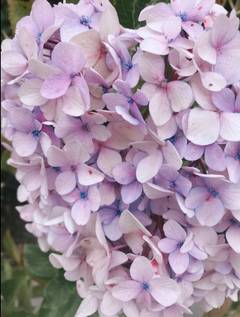
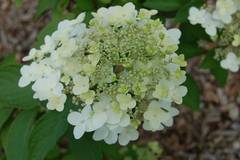
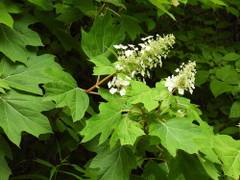
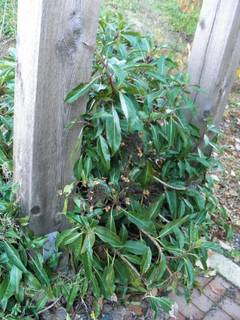
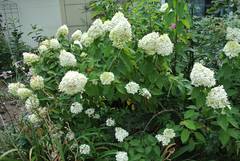
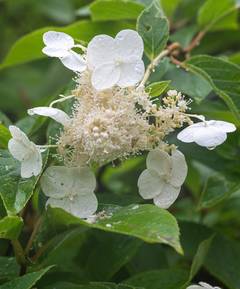
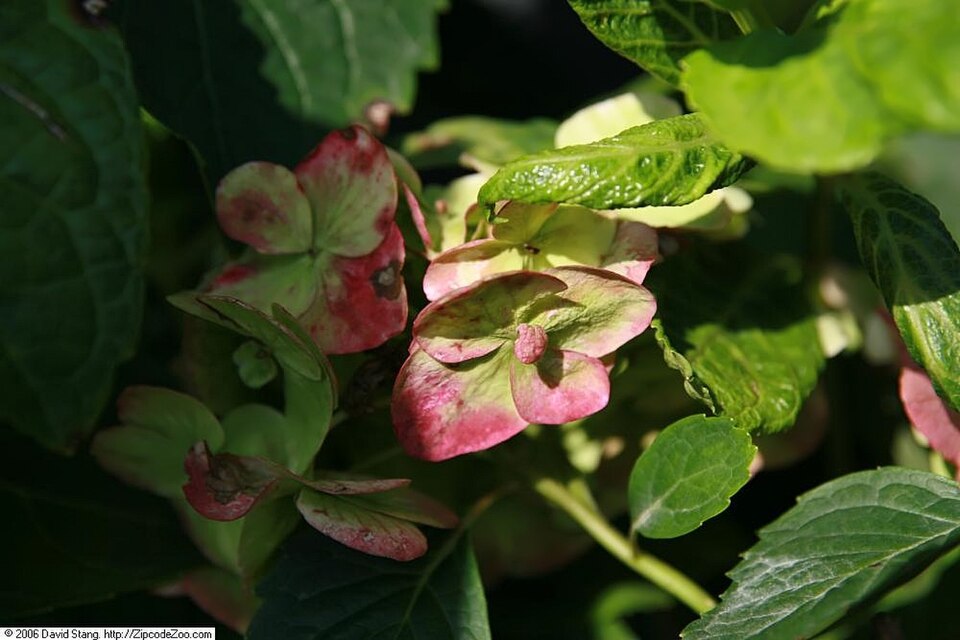
Hydrangea macrophylla 'Blushing Bride' is a deciduous bigleaf hydrangea in the Endless Summer series, reaching 3-5 feet (90-150 cm) tall and 3-5 feet (90-150 cm) wide at maturity. Stems are stout and woody at the base, becoming partially herbaceous at the tips. Leaves are ovate, 4-6 inches (10-15 cm) long, mid-green with serrated margins and limited yellow fall color. Mophead flower clusters reach 5-7 inches (13-18 cm) across and consist almost entirely of sterile florets. Sepals open semi-translucent white, then age to soft pink-white in alkaline soils (pH above 6.5) or pale blush blue-white in acidic soils (pH below 5.5); the cultivar holds the white phase longer and develops less saturated color than colored mophead cultivars. Reblooms on new wood, producing a second flush of smaller flower clusters from August through September after the initial summer flush. Old-wood frost damage reduces the early flush but not the new-wood reblooming, so flower display continues even after hard winters or late frosts. Foliage wilts visibly during midday heat above 85°F (29°C) even in moist soils, recovering by evening.
Native Range
Hydrangea macrophylla is native to coastal Japan, particularly Honshu and Shikoku, where it grows in moist woodland edges and stream banks at low to mid elevations up to 3,000 feet (900 m). 'Blushing Bride' is a cultivated selection from the Endless Summer breeding program at Bailey Nurseries; no wild populations exist.Suggested Uses
Used in mixed shrub borders, foundation plantings, wedding and event-focused cutting gardens for the white opening color, and large containers (15-gallon / 57-liter minimum) at 4-foot (1.2 m) spacing. Cut sepals at the white stage hold form in fresh arrangements for 5-7 days; the reblooming habit supports continued cutting through summer. Container plants in zones 4-5 require winter protection by moving to an unheated garage or burying pots to the rim.How to Identify
Appearance
Size & Dimensions
Height3' - 5'
Width/Spread3' - 5'
Bloom Information
Initial flush opens in mid-June and continues through July in zones 6-7, with reblooming on new wood producing additional clusters from August through September. In zones 8-9, initial bloom may begin in late May; in zone 4-5 the first flush is reduced after winters with extended periods below -10°F (-23°C) and reblooming carries the season's display. White phase holds 2-3 weeks before the pink or blue blush develops.
Detailed Descriptions
Flower Description
white opening, aging to pink or pale blue blushFoliage Description
mid-greenGrowing Conditions
Sun Requirements
Requires 4-6 hours of direct sunlight daily
• Full Sun: 6+ hours of direct sunlight
• Partial Shade: 3-6 hours of direct sunlight
• Full Shade: Less than 3 hours of direct sunlight
Care & Maintenance
Care Guide
Spring or fall plantings establish in moisture-retentive soil amended with compost or peat at planting. Water 1 inch (2.5 cm) per week through the first two seasons; established plants require water during dry spells lasting more than 10 days. A 3-inch (7.5 cm) layer of organic mulch retains moisture and moderates soil temperature. The blush color reflects the dominant pH chemistry but always remains less saturated than colored mophead cultivars; soil pH amendment shifts the blush direction but does not produce vivid pink or blue. Powdery mildew develops in late summer in humid conditions with poor air circulation; cosmetic damage only. Cercospora leaf spot causes purple-bordered tan lesions in wet seasons.Pruning
Prune in late winter or early spring before new growth emerges, removing dead or weak stems. Cut spent flowerheads back to the first pair of strong buds below the inflorescence to retain old-wood bloom potential. The reblooming habit on new wood means hard pruning reduces the early flush but does not eliminate the season's flowers. Renewal pruning of one-third of the oldest stems at ground level every 3-4 years maintains stem vigor.Pruning Schedule
Prune: February–March
winterearly spring
Container Growing
Suitable for container growing
Minimum container size: 15 gallons