Image 1 of 11
1 / 11
Plant Reference
Berberis, Genus, verruculosa, Species,
- Genus & species
warty barberry
Overview
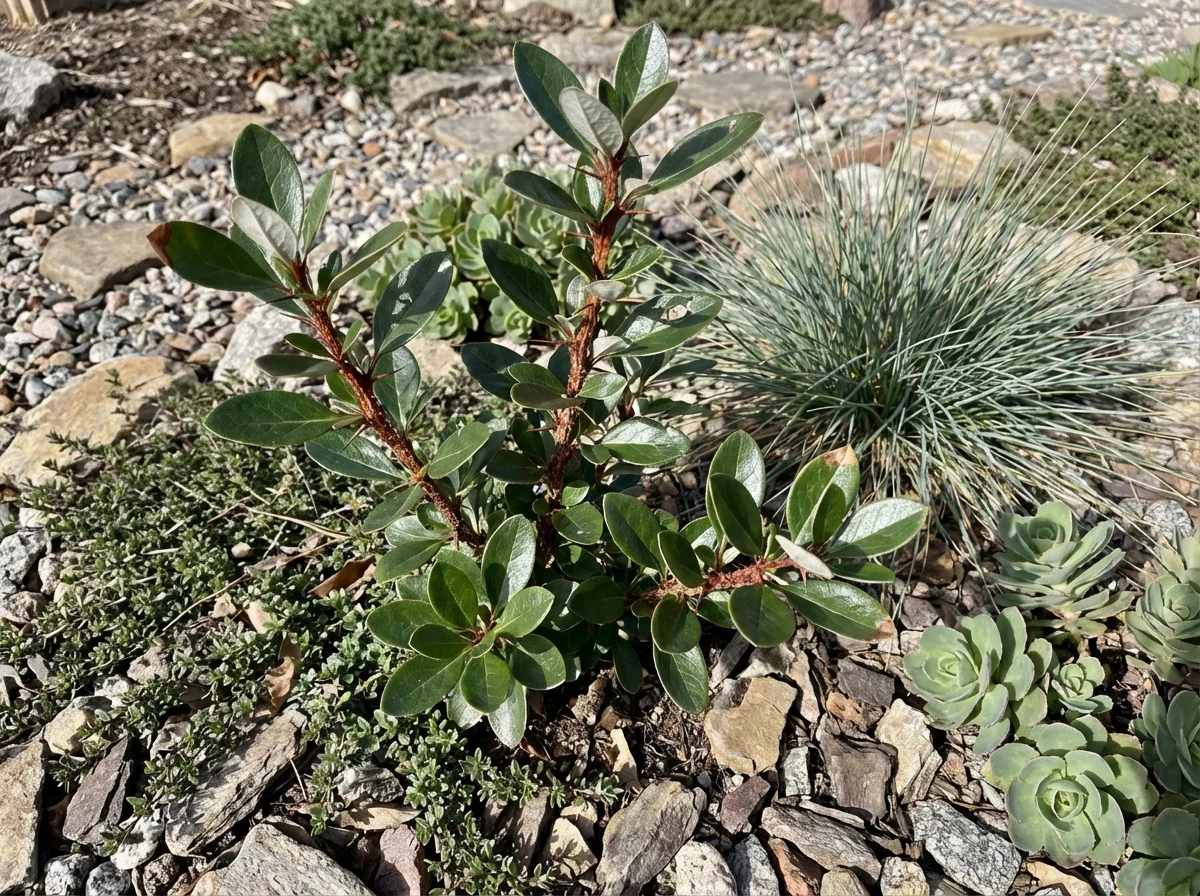
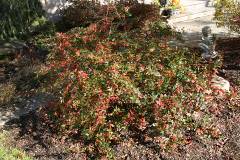
Berberis verruculosa is the warty barberry, an evergreen shrub growing 36–60 inches (90–150 cm) tall and wide with a dense mounding habit. Golden yellow solitary or paired flowers 0.5 inch (12 mm) in mid to late spring. Dark green glossy thick spiny-toothed leaves 0.5–1 inch (12–25 mm) with conspicuous white undersides — the two-toned leaf is visible when the wind turns the foliage. Bronze-purple tints develop in winter. The species name 'verruculosa' means 'warty' — the young stems are covered in small raised bumps (verrucae), which is the species identifier. Blue-black berries 0.3 inch (8 mm) with a waxy bloom in fall. In the barberry family (Berberidaceae). Triple spines at the leaf nodes. More compact (36–60 inches / 90–150 cm) and hardier (zone 5) than B. darwinii (60–120 inches / 150–300 cm, zone 7). All parts contain berberine — mildly toxic to humans and animals. The inner bark is yellow (berberine pigment). Native to western China (Sichuan and Yunnan provinces), growing on rocky slopes and in mountain scrub. Full sun to partial shade. Drought-tolerant once established. Adapts to clay. Deer-resistant (thorny + toxic). Zones 5–9. Growth rate is slow.
Native Range
Native to western China (Sichuan and Yunnan provinces), growing on rocky slopes and in mountain scrub at moderate to high elevations.Suggested Uses
Grown as a low barrier hedge, in borders, and on slopes in zones 5–9. The compact dense mounding habit, the two-toned leaves (green + white), and the winter bronze-purple tints are the year-round features. Thorny. All parts mildly toxic. Deer-resistant.How to Identify
Appearance
Size & Dimensions
Height3' - 5'
Width/Spread3' - 5'
Bloom Information
Mid to late spring (April–May), lasting 1–2 weeks. Golden-yellow solitary or paired flowers. Blue-black berries with waxy bloom in fall. The evergreen foliage with white undersides and the winter bronze-purple tints are the year-round features.
Detailed Descriptions
Flower Description
Golden yellow, solitary or in pairs, 0.5 inch (12 mm)Foliage Description
Dark green, glossy, thick, spiny-toothed, 0.5-1 inch (12-25 mm); white undersides; bronze-purple tints in winterGrowing Conditions
Sun Requirements
Requires 4-8 hours of direct sunlight daily
• Full Sun: 6+ hours of direct sunlight
• Partial Shade: 3-6 hours of direct sunlight
• Full Shade: Less than 3 hours of direct sunlight
Care & Maintenance
Care Guide
Full sun to partial shade. Adapts to clay and a range of soils. Drought-tolerant once established. Thorny (triple spines). Hardier than B. darwinii (zone 5 vs. zone 7). All parts contain berberine (mildly toxic). Deer-resistant. Zones 5–9.Pruning
Prune for shape after flowering in early summer. Thick gloves required (thorny). Tolerates hard renovation pruning. The dense mounding form is self-maintaining.Pruning Schedule
Prune: June
summer
Container Growing
Suitable for container growing
Minimum container size: 5 gallons
Toxicity Warning
Toxic to pets and humansRelated Berberis species
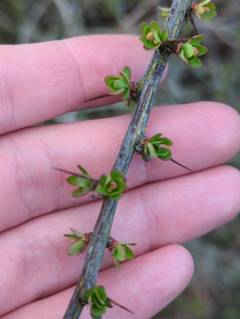 Japanese barberryBerberis thunbergii
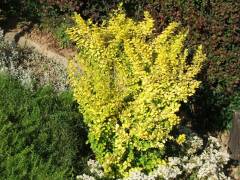 Golden Japanese barberryBerberis thunbergii 'Aurea'
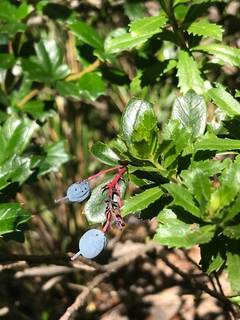 Darwin's barberryBerberis darwinii
 Gladwyne barberryBerberis × gladwynensis
- Purpleleaf or redleaf Japanese barberryBerberis thunbergii f. atropurpurea
- Helmond Pillar Japanese barberryBerberis thunbergii f. atropurpurea 'Helmond Pillar'