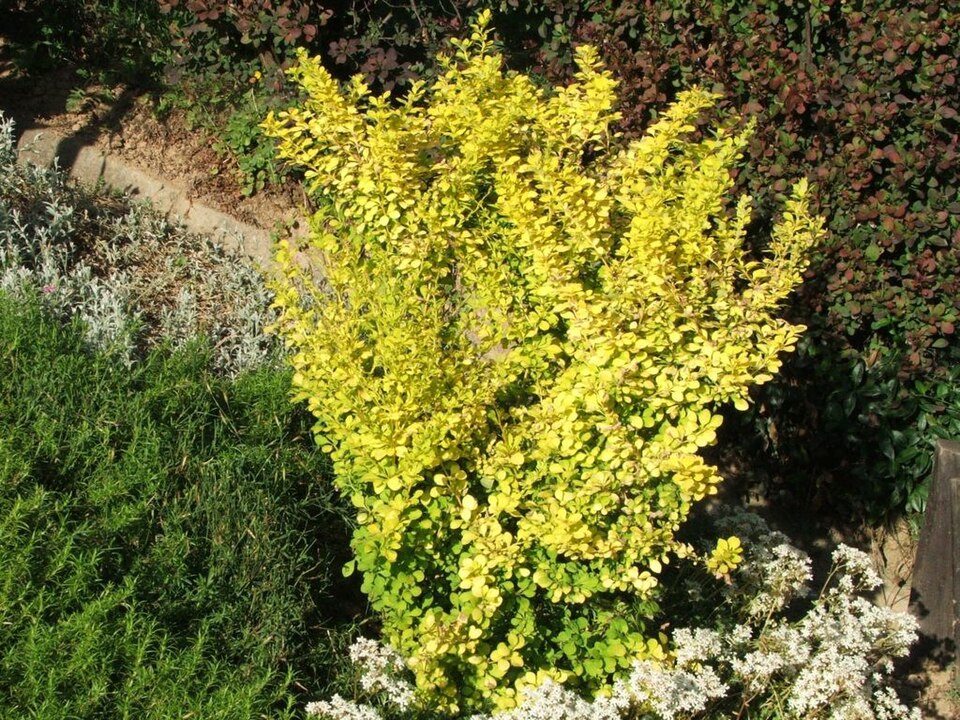
Berberis, Genus, thunbergii, Species, 'Aurea', Cultivar,
- Genus & species
- Cultivar
golden Japanese barberry
Parent species {Berberis thunbergii} native to Japan; 'Aurea' is a cultivar of garden origin
Overview
Berberis thunbergii 'Aurea' is a mounding deciduous shrub cultivar in the family Berberidaceae, reaching 3-4 feet (90-120 cm) tall and wide. The cultivar is selected for bright golden-yellow small spatulate leaves 0.5-1 inch (1.3-2.5 cm) long that hold color in full sun and fade to yellow-green in part shade. Single sharp thorns occur at each leaf node. Small yellow bell-shaped flowers 0.25 inch (6 mm) across hang singly or in small clusters beneath the stems from April through May, largely concealed by foliage. Small red oblong berries 0.3 inch (8 mm) long ripen in fall and persist through winter on bare stems. Fall foliage turns orange. Growth is slow at 2-4 inches (5-10 cm) per year. The golden foliage is more susceptible to leaf scorch in hot afternoon sun than the green-leaved species type or purple-leaved cultivars — this scorch risk combined with the full-sun requirement for color development is the central cultivation trade-off for the cultivar. Leaf scorch appears as bleached patches on sun-exposed leaves and does not reverse mid-season. The parent species B. thunbergii is classified as invasive in several northeastern and midwestern U.S. states where planting is prohibited or regulated; local invasive-species regulations govern whether the cultivar is legal to plant in a given jurisdiction. All parts of the plant are toxic to pets and humans if ingested because of berberine alkaloids concentrated in the bark, roots, and berries.
Native Range
Berberis thunbergii is native to Japan, where it grows on mountain slopes, forest margins, and rocky areas. The cultivar 'Aurea' arose in cultivation and does not occur in wild populations. Birds consume the persistent red berries of all B. thunbergii cultivars and disperse seeds into surrounding habitats, which has driven the invasive status of the species in parts of the eastern United States.Suggested Uses
Planted as a low hedge, border edging, or mass planting at 3-4 foot (90-120 cm) spacing, or in containers of 5 gallons (19 L) or more with a well-drained mix. The golden foliage contrasts with dark-leaved and purple-leaved companions in mixed borders, and the cultivar combines with Weigela cultivars with dark foliage, Physocarpus opulifolius 'Diabolo', and Cotinus coggygria 'Royal Purple' for strong color contrast in zones 4-8. Not suited to heavily shaded positions where foliage fades to yellow-green, hot afternoon-sun positions in zones 7 and warmer where leaf scorch develops, jurisdictions where B. thunbergii is prohibited as invasive, high-traffic pedestrian pathways where the sharp thorns conflict with regular contact, or landscapes with pets or young children where the toxic berries pose an ingestion risk.How to Identify
Appearance
Size & Dimensions
Height3' - 4'
Width/Spread3' - 4'
Bloom Information
Small yellow bell-shaped flowers 0.25 inch (6 mm) across open singly or in small clusters beneath the stems from April through May, averaging 2-3 weeks of bloom. Flowers are largely concealed by foliage and are not an ornamental feature. Red oblong berries 0.3 inch (8 mm) long ripen from September through October and persist on bare stems through winter after leaf drop.
Detailed Descriptions
Flower Description
yellow; small, 0.25 inch (6 mm) across, bell-shaped; hanging singly or in small clusters beneath the stems and largely concealed by foliageFoliage Description
bright golden-yellow in full sun, fading to yellow-green in part shade; small spatulate leaves 0.5-1 inch (1.3-2.5 cm) long; orange in fallGrowing Conditions
Sun Requirements
Requires 4-8 hours of direct sunlight daily
• Full Sun: 6+ hours of direct sunlight
• Partial Shade: 3-6 hours of direct sunlight
• Full Shade: Less than 3 hours of direct sunlight
Care & Maintenance
Care Guide
Plant in well-drained soil with a pH of 5.5-7.5 in full sun where the golden foliage color holds brightest. Tolerated soil types include loam, clay, sand, and silt. Afternoon shade in zones 7 and warmer reduces leaf scorch on the thin golden-yellow leaves, at the cost of some color saturation. Water weekly through the first 1-2 growing seasons; established plants are very drought-tolerant. The species is classified as invasive in several northeastern and midwestern U.S. states and planting is regulated or prohibited in those jurisdictions; local invasive-species regulations govern whether the cultivar is legal to plant in a given area. All parts of the plant are toxic to pets and humans if ingested. Sharp thorns at each node cause puncture wounds during handling of stems and pruning debris.Pruning
Pruning is done after flowering (May through June). Dead, damaged, or crossing stems are removed at the branch collar. Light shearing maintains size and shape for hedge and formal border use. Hard renovation pruning to within 6 inches (15 cm) of the ground in early spring resets an overgrown specimen because the cultivar regenerates vigorously from the base. Sharp single thorns at each node cause frequent puncture wounds during handling of pruning debris.Pruning Schedule
Prune: May–June
late spring
Container Growing
Suitable for container growing
Minimum container size: 5 gallons
Toxicity Warning
Toxic to pets and humansRelated Berberis species
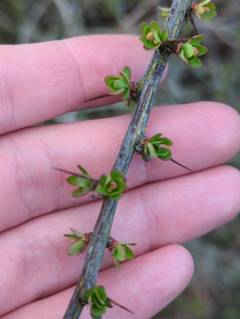 Japanese barberryBerberis thunbergii
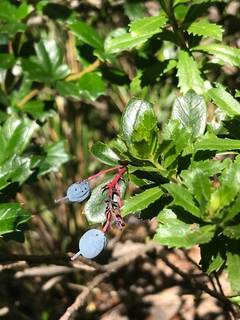 Darwin's barberryBerberis darwinii
 Warty barberryBerberis verruculosa
 Gladwyne barberryBerberis × gladwynensis
- Purpleleaf or redleaf Japanese barberryBerberis thunbergii f. atropurpurea
- Helmond Pillar Japanese barberryBerberis thunbergii f. atropurpurea 'Helmond Pillar'