Asclepias, Genus, eriocarpa, Species,
- Genus & species
woollypod milkweed
California and the southwestern United States
Overview
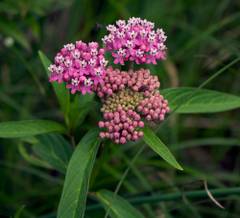
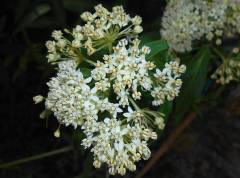
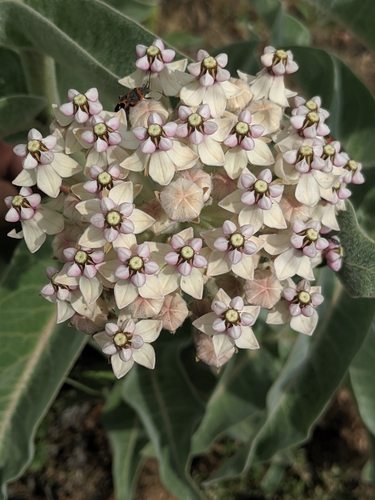
Asclepias eriocarpa is an upright herbaceous perennial reaching 24-36 inches (60-90 cm) tall and 18-30 inches (45-75 cm) wide, growing in clumps from a deep rootstock. The stout stems and the broad, oval to lance-shaped leaves, 3-7 inches (7.5-18 cm) long and held in whorls of three to four, are densely coated with white woolly hairs that give the plant a gray cast. In summer it bears rounded clusters of cream to pale pink flowers with the reflexed petals and raised central crown typical of milkweeds. The fruit is an erect, woolly seed pod 2-4 inches (5-10 cm) long that splits to release seeds on silky hairs. All parts contain milky latex with cardiac glycosides that are toxic to people, pets, and livestock if eaten. It grows on dry slopes, grassland, chaparral, and open oak woodland in California, Nevada, and northern Baja California. The species needs full sun and dry, well-drained soil and goes dormant by late summer, leaving a gap in the planting.
Native Range
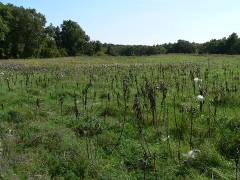
Asclepias eriocarpa is native to California, western Nevada, and northern Baja California. It grows on dry slopes, grassland, chaparral, roadsides, and open oak woodland, mostly below mid elevations.Suggested Uses
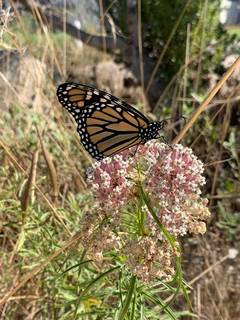
Used in native plant gardens, dry meadows, and pollinator or butterfly plantings, where it serves as a larval host for monarch butterflies. It suits dry, sunny slopes and lean soils. Spaced 18-24 inches (45-60 cm) apart in groups.How to Identify
Appearance
Size & Dimensions
Height2' - 3'
Width/Spread1'6" - 2'6"
Colors
Bloom Information
Detailed Descriptions
Flower Description
cream to pinkFoliage Description
gray-greenGrowing Conditions
Sun Requirements
Requires 6-8 hours of direct sunlight daily
• Full Sun: 6+ hours of direct sunlight
• Partial Shade: 3-6 hours of direct sunlight
• Full Shade: Less than 3 hours of direct sunlight
Care & Maintenance
Care Guide
Grow in full sun in dry, well-drained soil, including sandy, rocky, and clay ground. This species tolerates heat and drought once established and needs little summer water. Wet or poorly drained soil causes root rot. No fertilizer is needed in lean native soils. It is hardy in USDA zones 7-10 and dies back to the rootstock, often going dormant by late summer. All parts hold toxic latex, so the foliage and pods are poisonous if eaten.Pruning
Cut the dead stems to the ground in fall or late winter once the plant is dormant. Little other pruning is needed. The milky latex stains and irritates skin when stems are cut.Pruning Schedule
Prune: March
early spring