Asclepias, Genus, amplexicaulis, Species,
- Genus & species
clasping milkweed
Overview
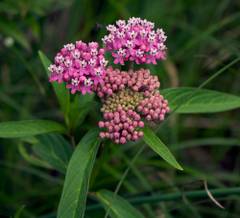
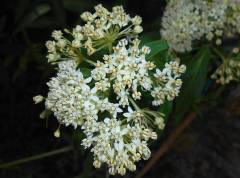
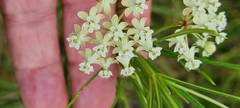
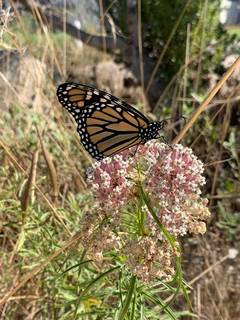
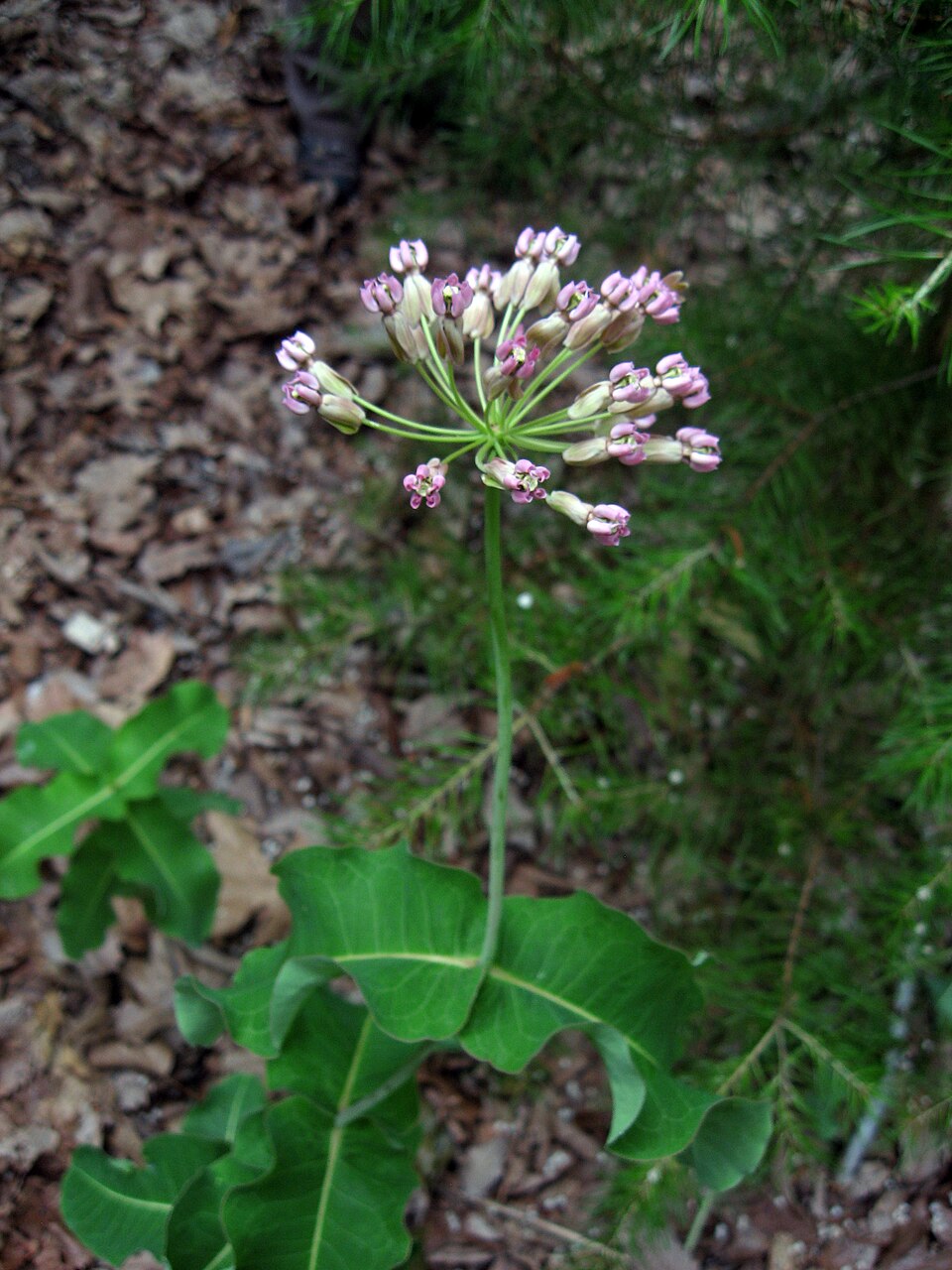
Asclepias amplexicaulis is a herbaceous perennial reaching 12-36 inches (30-90 cm) tall, usually with a single unbranched stem. The opposite, oblong leaves are 3-6 inches (8-15 cm) long, blue-green, smooth, and waxy, with strongly wavy margins and bases that clasp the stem. A single rounded flower cluster sits at the top of the stem, holding many small flowers in shades of rose, green, and pink, opening in late spring to early summer. Flowers are followed by erect, spindle-shaped pods 4-6 inches (10-15 cm) long that split to release seeds with silky white hairs. The stem and leaves exude milky sap when cut. Growth is slow, from a deep taproot that makes established plants difficult to move. The plant tolerates poor, dry soils but is slow to establish and may not flower in its first two years.
Native Range
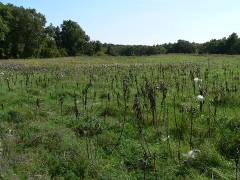
Native to eastern and central North America, from New England and Ontario west to Nebraska and south to Florida and Texas. Grows in dry, open, sandy or rocky ground including prairies, fields, open woods, and roadsides.Suggested Uses
Planted in dry meadows, prairie plantings, and native pollinator gardens at 12-18 inch (30-45 cm) spacing on lean, well-drained soil. Suited to sunny, dry sites where richer-soil milkweeds struggle. Grown to support monarch butterflies and other pollinators.How to Identify
Appearance
Size & Dimensions
Height1' - 3'
Width/Spread1' - 1'6"
Bloom Information
Detailed Descriptions
Flower Description
rose, pink, and greenFoliage Description
blue-greenGrowing Conditions
Sun Requirements
Requires 6-12 hours of direct sunlight daily
• Full Sun: 6+ hours of direct sunlight
• Partial Shade: 3-6 hours of direct sunlight
• Full Shade: Less than 3 hours of direct sunlight
Care & Maintenance
Care Guide
Grows in full sun in dry, sandy or rocky, sharply drained soil. Water lightly until established, then withhold irrigation, as the deep taproot tolerates drought and rots in wet soil. The plant resents disturbance, and the deep taproot does not transplant well once established. It serves as a larval host for monarch butterflies, whose caterpillars feed on the foliage. Aphids gather on stems and buds in summer. The milky sap is mildly toxic to people and livestock if eaten in quantity.Pruning
No routine pruning is needed. Spent stems can be cut to the ground in late fall or left standing through winter for seed dispersal and insect shelter. Removing pods before they split prevents self-seeding.Pruning Schedule
Prune: November
fall