Artemisia, Genus, caudata, Species,
- Genus & species
beach wormwood
Overview
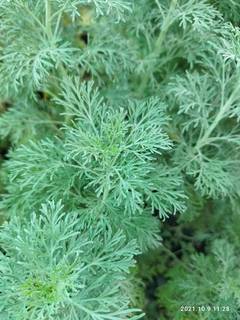
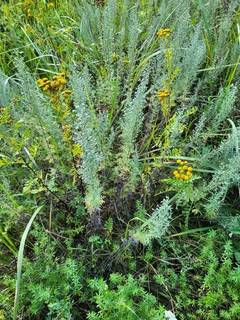
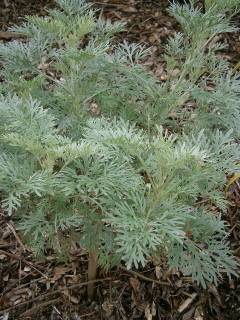
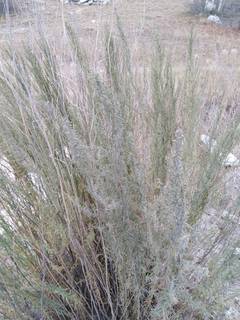
Artemisia caudata is a biennial to short-lived perennial in the aster family, forming a basal rosette of finely divided leaves the first year and a tall, slender flowering stalk 24-72 inches (60-180 cm) the next. The leaves are dissected into many thread-like segments, giving a soft, feathery look, and are mostly crowded toward the base. The flowering stalk branches into a long, narrow open cluster of many small, rounded, greenish to yellow flower heads, each only about 0.1 inch (2-3 mm) wide and without showy petals. Bloom runs from mid-summer into fall. As a wind-pollinated plant it has inconspicuous flowers and produces abundant tiny seed. The species grows on open sand, dunes, beaches, sandy prairies, and rocky shores across central and eastern North America, tolerating drought, wind, and salt spray. It is short-lived and renews from seed. The deep taproot anchors plants in shifting sand.
Native Range
Artemisia caudata is native to central and eastern North America, ranging from the prairie provinces and Great Plains east to the Atlantic coast and Great Lakes. It grows on open sand, dunes, beaches, sandy prairies, and rocky lake and ocean shores.Suggested Uses
Used in coastal and dune restoration, sandy native gardens, and gravel plantings within its range. The feathery foliage and tall airy stalks suit naturalistic sand and shore plantings. It stabilizes open sand where few other plants establish.How to Identify
Appearance
Size & Dimensions
Height2' - 6'
Width/Spread1' - 2'
Colors
Bloom Information
Detailed Descriptions
Foliage Description
green to gray-greenGrowing Conditions
Sun Requirements
Requires 6-12 hours of direct sunlight daily
• Full Sun: 6+ hours of direct sunlight
• Partial Shade: 3-6 hours of direct sunlight
• Full Shade: Less than 3 hours of direct sunlight
Care & Maintenance
Care Guide
Grows in full sun with six or more hours of direct light. Sharp drainage is essential, and dry, sandy, or gravelly soils of low fertility suit it, while rich or wet ground shortens its life. Once established the taproot makes it drought-tolerant and able to handle wind and salt spray. As a biennial to short-lived perennial it renews from self-sown seed on open sand. Seed sown in fall on bare ground germinates the following spring. Rich soil and crowding reduce its lifespan.Pruning
Pruning is minimal. The spent flowering stalk can be cut down after seed drops or left for winter structure. Removing stalks before seed ripens limits self-sowing.Pruning Schedule
Prune: October–November
fall