Acer, Genus, shirasawanum, Species,
- Genus & species
Shirasawa maple
Overview
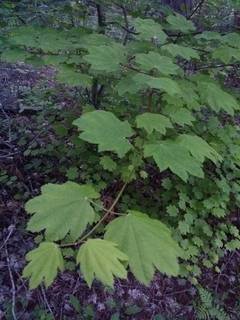
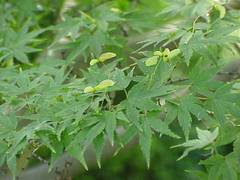
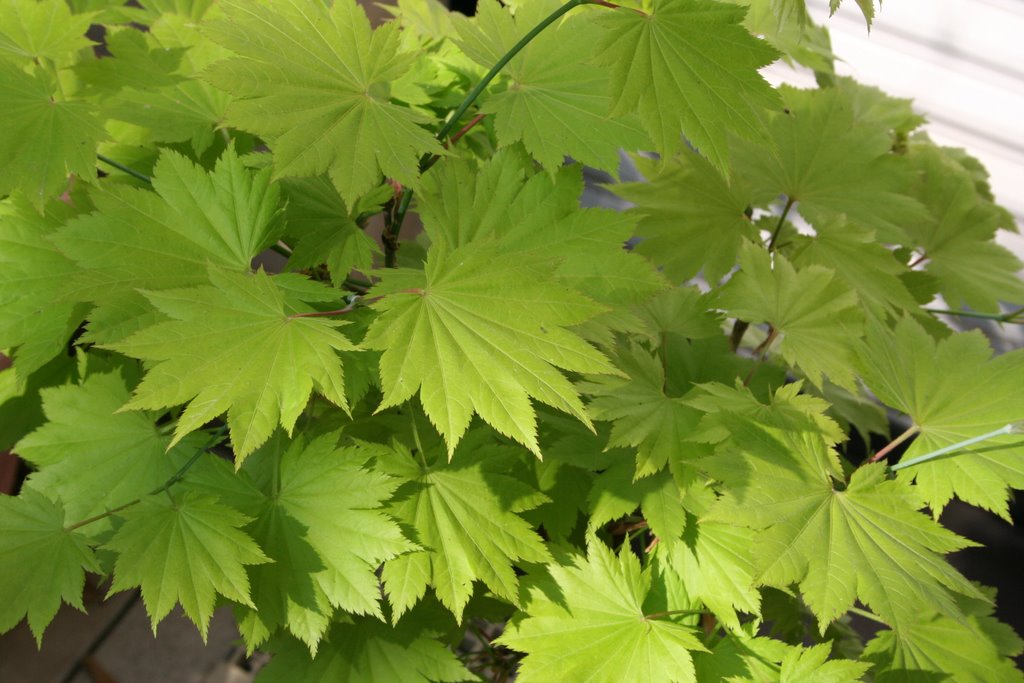
Acer shirasawanum is a deciduous small tree or large shrub reaching 15–30 feet (4.5–9 m) tall with a spread of 12–25 feet (3.7–7.6 m), and occasionally taller in native forest. The crown is broadly rounded, with a short trunk and branches that ascend and then spread. Leaves are rounded in outline, 2–4 inches (5–10 cm) across, with 9–13 shallow, toothed lobes and a heart-shaped base. They emerge light green in spring, mature to mid-green in summer, and turn yellow, orange, and red in October–November. Small red-purple to yellowish flowers open in April–May in upright clusters as the leaves expand. Paired winged fruits (samaras) 1–1.2 inches (2.5–3 cm) long, with wings spreading nearly horizontally, ripen in late summer and fall. Growth rate is slow to moderate, adding 6–12 inches (15–30 cm) per year in favorable conditions. Bark is smooth and gray-brown on young stems. Leaf margins scorch in hot, dry, or windy sites, and shallow roots dry out quickly in unmulched soil. Trees show leaf yellowing (chlorosis) in alkaline soils above pH 7.5 and are hardy in USDA zones 5–8.
Native Range
Native to the mountains of Japan, in cool-temperate deciduous forests on Honshu. Grows as an understory and mid-canopy tree in moist, well-drained forest soils.Suggested Uses
Grown as a specimen or in woodland borders, spaced 15–20 feet (4.5–6 m) from other trees. Used in Japanese-style gardens and, while young, in large containers. Planted for fall color in zones 5–8.How to Identify
Appearance
Size & Dimensions
Height15' - 30'
Width/Spread12' - 25'
Bloom Information
Flowers open in April–May in zones 5–8, at the time the leaves expand. Flowers are red-purple to yellowish and 0.2–0.3 inch (5–8 mm) across, and are pollinated by insects. Total bloom period lasts about 2 weeks. Frost after leaf-out can damage flowers and young foliage.
Detailed Descriptions
Flower Description
Red-purple to yellowishFoliage Description
Light green in spring, mid-green in summer, yellow to red in fallGrowing Conditions
Sun Requirements
Requires 4-8 hours of direct sunlight daily
• Full Sun: 6+ hours of direct sunlight
• Partial Shade: 3-6 hours of direct sunlight
• Full Shade: Less than 3 hours of direct sunlight
Care & Maintenance
Care Guide
Grows in moist, well-drained, slightly acidic soil (pH 5.5–6.5) in part shade to full sun; afternoon shade reduces leaf scorch in zones 7–8. Newly planted trees need 1–2 inches (2.5–5 cm) of water weekly through the first 2–3 growing seasons. A 2–3 inch (5–8 cm) layer of mulch keeps shallow roots cooler and moister. Established trees tolerate short dry periods but scorch in prolonged heat and drought. Late spring frost can damage new growth in exposed sites. Verticillium wilt, anthracnose, and aphids occur occasionally.Pruning
Needs little pruning beyond removal of dead, crossing, and damaged branches, done in late summer or midwinter. Heavy pruning in late winter and early spring causes sap bleeding, which is cosmetic and does not harm the tree. Branches larger than 2 inches (5 cm) in diameter heal slowly, and removal is generally limited to 20% of the crown in one year.Pruning Schedule
Prune: January & August
summerwinter
Container Growing
Suitable for container growing