Acer, Genus, japonicum, Species,
- Genus & species
Fullmoon maple
Japan: Hokkaido, Honshu, Shikoku, and Kyushu
Overview
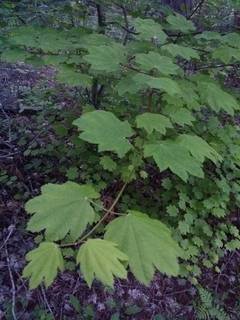
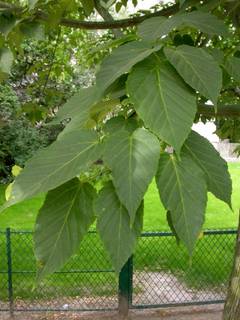
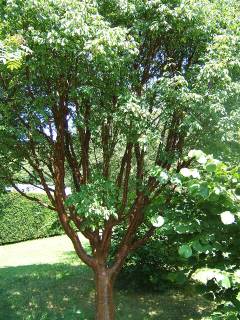
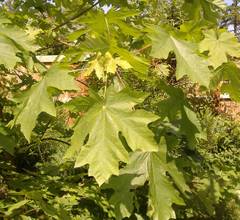
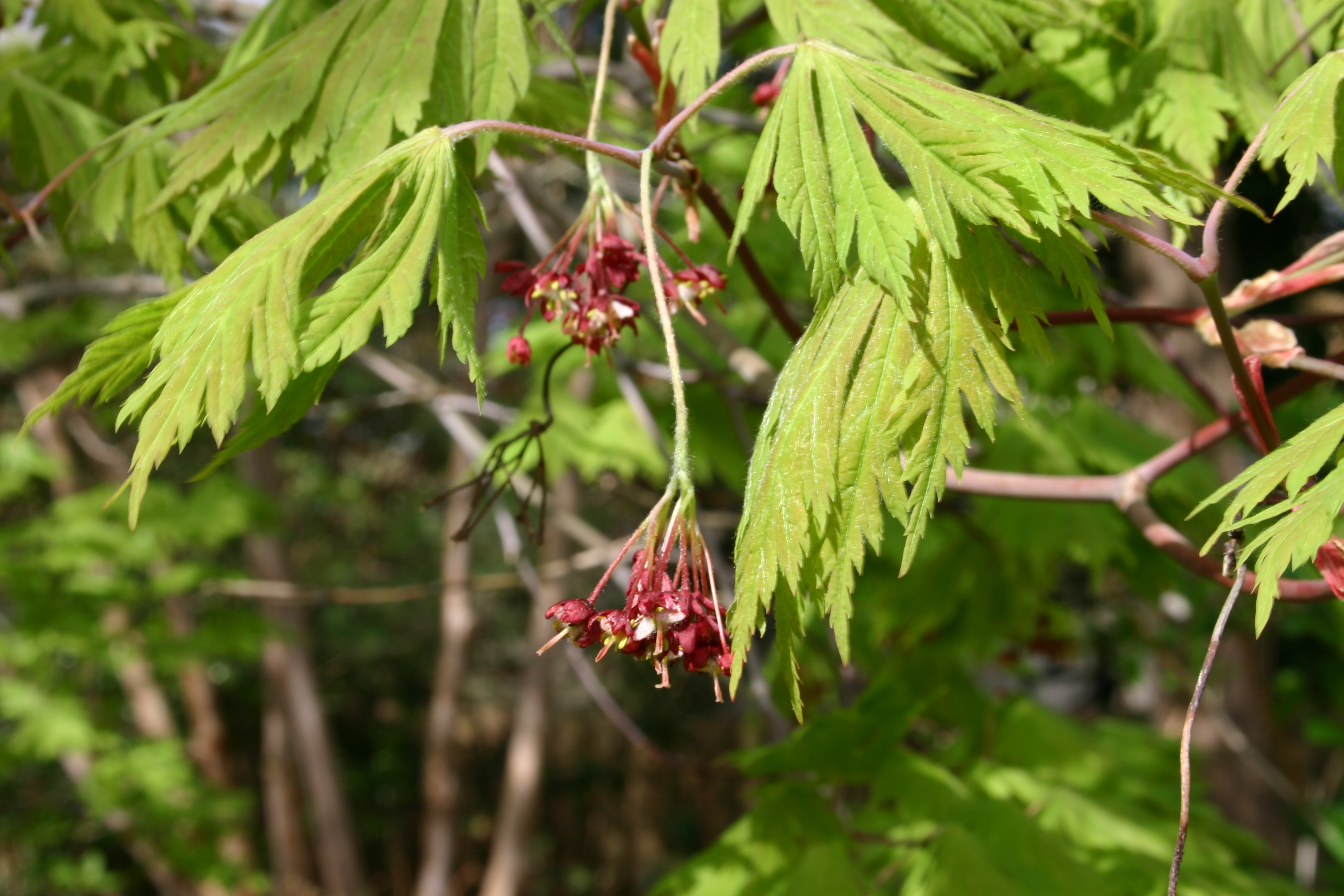
Acer japonicum is a deciduous tree or large multi-stemmed shrub reaching 20-30 feet (6-9 m) tall and about as wide, with a rounded, layered crown and smooth grey bark. Leaves are nearly circular, 3-6 inches (7.5-15 cm) across, with 9-11 shallow lobes cut about one third of the way to the centre, and carry soft hairs on both surfaces when young. Autumn colour runs through yellow, orange, scarlet, and crimson, often with several shades on one branch, and holds two to three weeks in October. Purple-red flowers 0.4 inch (10 mm) across hang in corymbs of 10-15 on 1-2 inch (2.5-5 cm) stalks in April and May, opening with or just before the leaves. Paired samaras 0.8-1.2 inches (2-3 cm) long spread their wings almost horizontally and ripen from green to brown by October. Annual extension is 6-12 inches (15-30 cm), so a specimen takes 20-30 years to fill its mature dimensions. Leaf margins scorch where summer afternoons pass 85 F (29 C) in dry air, and the species declines in the humid heat of USDA zones 8 and warmer. Verticillium wilt causes branch dieback in infected soils. Hardy in USDA zones 5-7.
Native Range
Acer japonicum is native to Japan, occurring on Hokkaido, Honshu, Shikoku, and Kyushu. It grows in cool mountain woodland between 1,600 and 5,600 feet (500-1,700 m), usually on north-facing slopes and along stream margins under a canopy of Fagus crenata and conifers. Rainfall across that range passes 60 inches (1,500 mm) a year, with cool summer nights.Suggested Uses
Planted as a specimen in courtyards, woodland gardens, and shaded lawns where the October colour sits in view. Used at pond edges and along paths, and grown in 25 gallon (95 L) containers with root pruning every three years. The spreading crown reaches 20-30 feet (6-9 m) wide, so plantings sit 15 feet (4.5 m) or more from structures.How to Identify
Appearance
Size & Dimensions
Height20' - 30'
Width/Spread20' - 30'
Bloom Information
Corymbs open in April in USDA zone 7 and in early May in zone 5, at or just before leaf expansion. Flowering lasts 10-14 days, with purple-red sepals and petals held on pendulous stalks below the new shoots. Fruit set follows within three weeks, and samaras ripen from green through a pink flush to brown by October. Trees begin flowering at about eight to ten years from seed.
Detailed Descriptions
Foliage Description
medium green in summer, turning yellow, orange, scarlet, and crimson in autumnGrowing Conditions
Sun Requirements
Requires 3-6 hours of direct sunlight daily
• Full Sun: 6+ hours of direct sunlight
• Partial Shade: 3-6 hours of direct sunlight
• Full Shade: Less than 3 hours of direct sunlight
Care & Maintenance
Care Guide
Three to six hours of morning sun with shade through the afternoon suits the species in USDA zones 6-7; full sun works only where summer maxima stay under 80 F (27 C). Soil is moisture-retentive loam at pH 5.0-6.5, and 2-3 inches (5-8 cm) of leaf-mould mulch over the root zone holds moisture while staying clear of the trunk. Water use is about 1 inch (2.5 cm) per week, and the shallow root system dries out within three or four days in sandy ground. Fertiliser is limited to a spring application of a low-nitrogen formulation at 0.5 pound per 100 square feet (250 g per 9 sq m), since soft growth scorches faster. Verticillium wilt, anthracnose, and aphids with the sooty mould that follows them occur across cultivated plantings. Wind above 25 mph (40 km/h) tears the thin leaf blades.Pruning
Cutting is done in December and January while the tree is dormant, since sap runs heavily from cuts made in late winter and early spring. Work is limited to dead, crossing, and rubbing branches, plus thinning that opens the layered branch structure. The natural crown form is lost where leaders are shortened, and regrowth from such cuts is congested and upright. Cuts larger than 2 inches (5 cm) in diameter close slowly and open a path for decay.Pruning Schedule
Prune: December–January
winter
Container Growing
Suitable for container growing
Minimum container size: 25 gallons