Acer, Genus, pseudosieboldianum, Species,
- Genus & species
Korean maple
Korea, northeastern China, Russian Far East
Overview
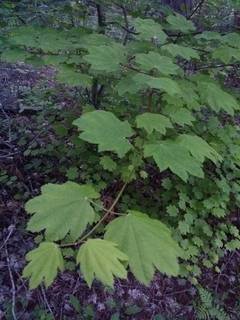
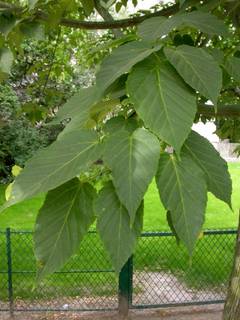
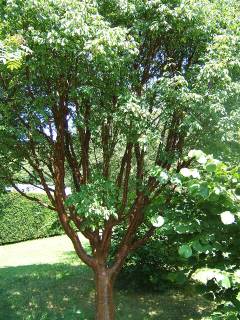
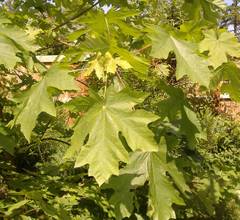
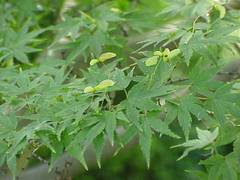
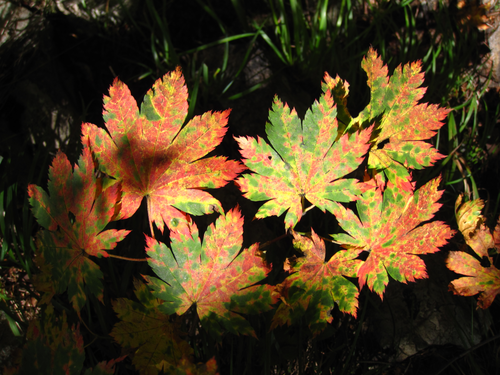
Acer pseudosieboldianum is a deciduous tree reaching 15–25 feet (4.5–7.5 m) tall with a spread of 15–20 feet (4.5–6 m), forming a rounded to broadly oval crown. Leaves are opposite, nine-lobed (occasionally seven- or eleven-lobed), 3–5 inches (7.5–13 cm) wide, with narrow pointed lobes and doubly serrated margins. Upper leaf surface is medium to dark green; the underside is pale with tufts of hair in the vein axils. Fall color ranges from orange to scarlet-crimson and develops reliably in zones 3–7. Purplish-red flowers appear in erect to pendant corymbs in April–May before or with the emerging leaves. Paired samaras, 1–1.25 inches (2.5–3 cm) long, ripen in September–October. Growth rate is 8–12 inches (20–30 cm) per year. A. pseudosieboldianum is hardy to −30°F (−34°C), zones 3–4, extending maple culture into regions where A. palmatum cultivars do not survive. Heat tolerance is limited; summer temperatures sustained above 90°F (32°C) cause leaf scorch and reduced vigor.
Native Range
Acer pseudosieboldianum is native to Korea, northeastern China (Manchuria), and the Russian Far East, occurring in mixed broadleaf and coniferous forests at low to middle elevations, often on rocky slopes and forest margins.Suggested Uses
Planted as a specimen, small shade tree, or garden accent in zones 3–6 at 15–20 foot (4.5–6 m) spacing, particularly in climates too cold for A. palmatum. The orange-to-scarlet fall color and purplish spring flowers are the primary seasonal features. Suited to residential gardens, naturalized woodland edges, and cold-climate landscapes. Not suited to hot-summer climates above zone 7, waterlogged soils, or highly alkaline sites.How to Identify
Appearance
Size & Dimensions
Height15' - 25'
Width/Spread15' - 20'
Bloom Information
Purplish-red flowers appear in erect to pendant corymbs in April–May before or with the emerging leaves, lasting 2–3 weeks. Individual flowers are 0.3–0.4 inch (8–10 mm) across, with the purple coloration giving the clusters more visual presence than the yellow-green inflorescences of most other maples. Samaras, 1–1.25 inches (2.5–3 cm) long, ripen in September–October.
Detailed Descriptions
Foliage Description
medium to dark green; orange to scarlet-crimson in fallGrowing Conditions
Sun Requirements
Requires 4-12 hours of direct sunlight daily
• Full Sun: 6+ hours of direct sunlight
• Partial Shade: 3-6 hours of direct sunlight
• Full Shade: Less than 3 hours of direct sunlight
Care & Maintenance
Care Guide
Plant in moist, well-drained, humus-rich to average soil with a pH of 5.5–7.0 in full sun to partial shade. Water weekly during the first two growing seasons; established trees tolerate dry intervals of 10–14 days. The species performs in colder climates than A. palmatum — suited to zones 3–7. Heat tolerance above zone 7 is limited; summer temperatures sustained above 90°F (32°C) cause leaf scorch and reduce vigor. Tolerates clay and loam but not waterlogged or highly alkaline conditions. No routine fertilization is required in adequate soils.Pruning
No routine pruning is required. The rounded crown is self-maintaining. Prune in late spring to early summer (May–June) after leaf-out to minimize sap bleeding. Dead or crossing branches are removed as they develop. A strong central leader is established in young trees. Late summer and fall pruning causes sap bleeding and delayed wound closure.Pruning Schedule
Prune: May–June
late spring