Acer, Genus, pseudoplatanus, Species, 'Leopoldii', Cultivar,
- Genus & species
- Cultivar
Leopoldii sycamore maple
Overview
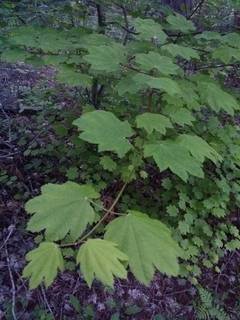
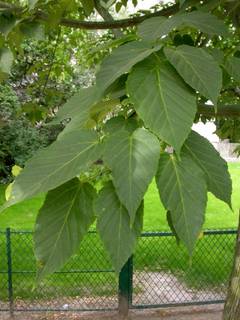
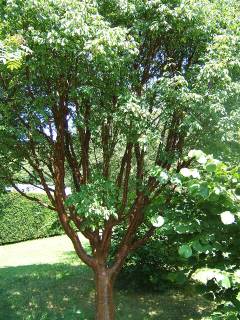
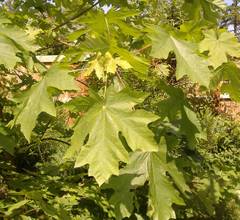
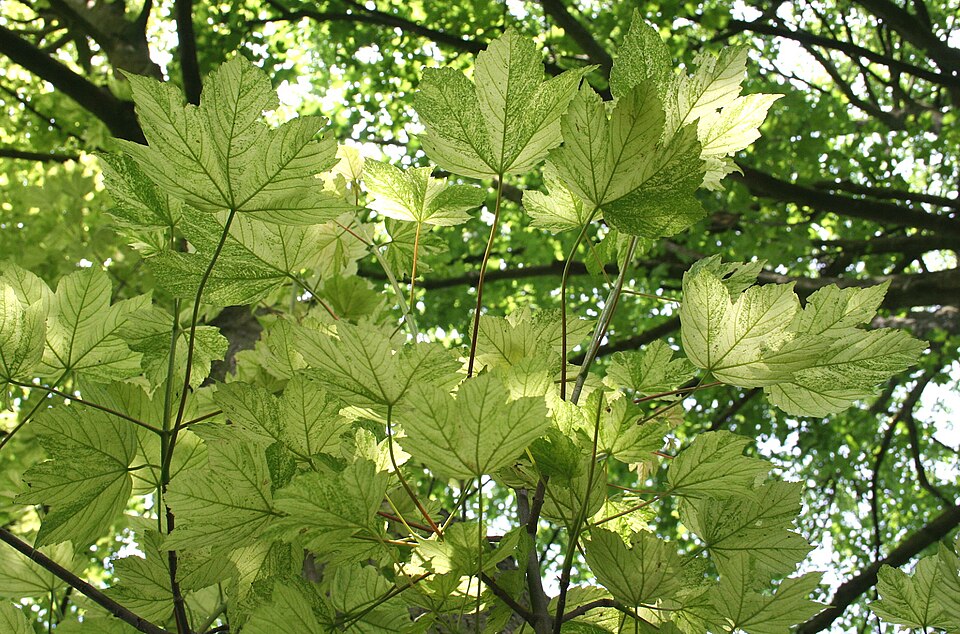
Acer pseudoplatanus 'Leopoldii' is a deciduous tree reaching 40–60 feet (12–18 m) tall with a spread of 30–40 feet (9–12 m), forming a broadly rounded to domed crown. Leaves are palmate, five-lobed, 3–6 inches (7.5–15 cm) wide, with coarsely toothed margins and irregular yellow-pink to cream variegation on a green base — the variegation distributed in patches, streaks, and sector patterns across the leaf surface and most pronounced on new spring growth. As summer progresses, the variegated patches may fade to cream-white or become less conspicuous against the maturing green. Fall color is yellow. Yellow-green flowers appear in pendant corymbs in April–May. Paired samaras, 1–1.5 inches (2.5–4 cm) long, ripen in August–September. Growth rate is moderate to fast, 12–18 inches (30–45 cm) per year. Like all A. pseudoplatanus, it tolerates alkaline soils, coastal winds, and urban conditions. Seeds contain hypoglycin A and are toxic to horses.
Native Range
Acer pseudoplatanus is native to central and southern Europe, from France east through the Alps, Carpathians, and Balkans into Turkey. The 'Leopoldii' cultivar was selected in Belgium in the mid-19th century and does not occur in wild populations.Suggested Uses
Planted as a specimen or shade tree in large landscapes, parks, and coastal sites at 30–40 foot (9–12 m) spacing. The yellow-pink spring variegation on a large-canopy tree is the primary seasonal feature. Tolerates alkaline and coastal conditions where variegated smaller maples would fail. Not suited to small residential lots, sites where horses are present, or areas where invasive self-seeding is a concern.How to Identify
Appearance
Size & Dimensions
Height40' - 60'
Width/Spread30' - 40'
Bloom Information
Yellow-green flowers appear in pendant corymbs, 2–4 inches (5–10 cm) long, in April–May as leaves emerge. Paired samaras, 1–1.5 inches (2.5–4 cm) long, ripen in August–September.
Detailed Descriptions
Foliage Description
green with irregular yellow-pink to cream variegation; yellow in fallGrowing Conditions
Sun Requirements
Requires 4-12 hours of direct sunlight daily
• Full Sun: 6+ hours of direct sunlight
• Partial Shade: 3-6 hours of direct sunlight
• Full Shade: Less than 3 hours of direct sunlight
Care & Maintenance
Care Guide
Plant in well-drained to average soil with a pH of 6.0–8.0; tolerates alkaline and calcareous soils. Water weekly during the first two growing seasons; established trees tolerate dry spells of 2–3 weeks. Tolerates coastal exposure, wind, and urban pollution. The variegated sectors are more susceptible to scorch under sustained heat and drought than the green portions; afternoon shade in climates above 85°F (29°C) reduces this. Seeds self-sow prolifically — the species is listed as invasive in parts of North America; verify local regulations before planting. Toxic to horses. No routine fertilization is required.Pruning
Prune in late fall to early winter (November–January) when dormant to minimize sap bleeding. Establish a central leader and well-spaced scaffold branches in early years. Remove dead or crossing branches. Remove plain-green reverting shoots at their point of origin immediately upon appearance.Pruning Schedule
Prune: November–January
winter