Acer, Genus, floridanum, Species,
- Genus & species
southern sugar maple
Overview
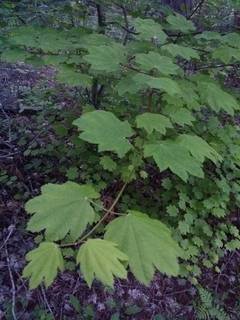
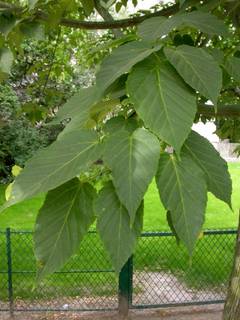
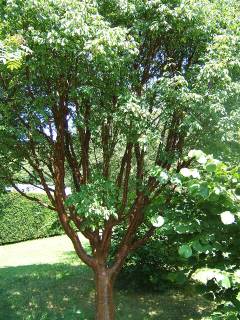
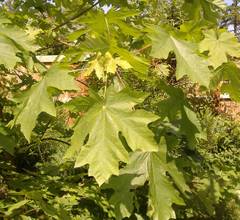
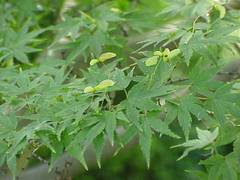
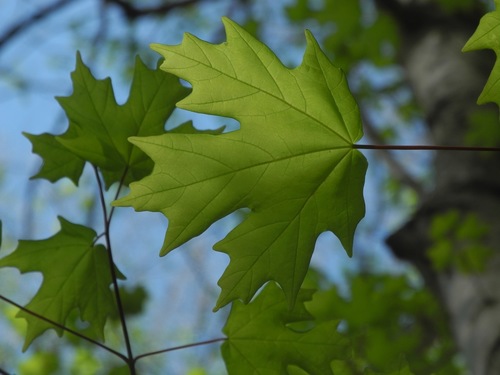
Acer floridanum, southern sugar maple, is a medium deciduous tree of the southeastern United States, typically 40–60 feet (12–18 m) tall with a rounded, dense crown. It is the southern counterpart of the sugar maple and carries similar three- to five-lobed leaves, though smaller at 1.5–3 inches (4–7.5 cm) wide, with a pale whitish underside and lobe edges that often curl downward. The summer foliage is deep green and turns yellow and orange in fall, later and less reliably red than northern sugar maples. Greenish-yellow flowers hang in small clusters in early spring as the leaves emerge, followed by paired winged samaras. The tree grows from a moderate to deep root system and tolerates the heat, humidity, and drier upland soils of the South better than sugar maple. It is found in hardwood forests, on limestone bluffs, and along streams from North Carolina to Florida and west to Texas. Its growth is slow to moderate, and it casts dense shade that limits what grows beneath it. The smooth gray bark develops shallow furrows with age.
Native Range
Acer floridanum is native to the southeastern United States, ranging from Virginia and North Carolina south through Florida and west to eastern Texas and Oklahoma. It grows in moist hardwood forests, on limestone bluffs, and along streams and ravines.Suggested Uses
Used as a shade and street tree, a fall-color specimen, and in native and woodland plantings across the South. It suits lawns and parks with room for its canopy, though its dense shade and surface roots make it less suited to ground-level plantings beneath it.How to Identify
Appearance
Size & Dimensions
Height40' - 60'
Width/Spread25' - 40'
Bloom Information
Greenish-yellow flowers open in early spring, around March and April, as the leaves unfold. They hang in small drooping clusters and are wind- and insect-pollinated. Winged seeds ripen and drop in fall.
Detailed Descriptions
Foliage Description
Green, turning yellow and orange in fallGrowing Conditions
Sun Requirements
Requires 4-8 hours of direct sunlight daily
• Full Sun: 6+ hours of direct sunlight
• Partial Shade: 3-6 hours of direct sunlight
• Full Shade: Less than 3 hours of direct sunlight