Acer, Genus, spp., Multiple species,
- Genus
- Multiple species
maples
Temperate Northern Hemisphere (North America, Europe, North Africa, and Asia), most diverse in East Asia
Overview
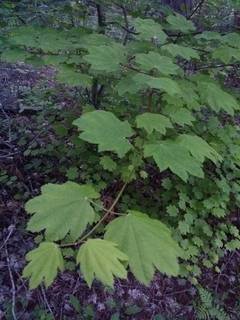
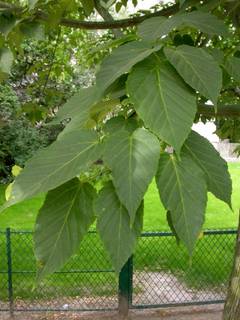
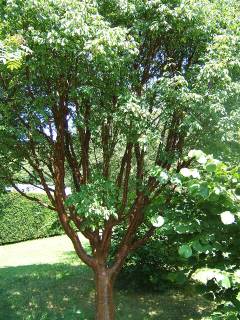
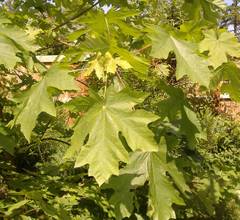
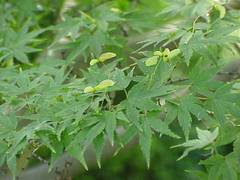
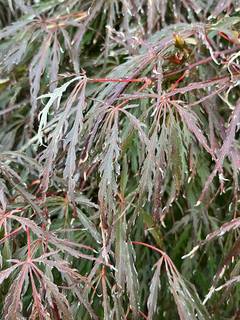
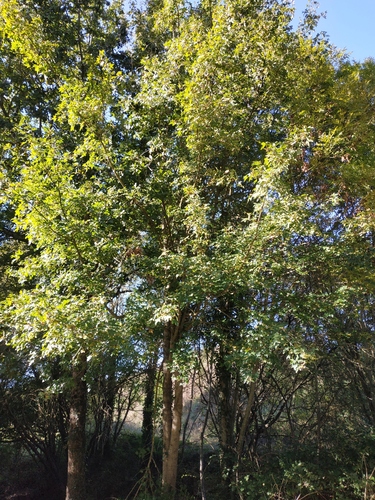
Acer is a genus of about 130 to 160 species of mostly deciduous trees and shrubs in the Sapindaceae family, centered in the temperate Northern Hemisphere with the greatest diversity in East Asia. The genus ranges from shrubby Japanese maples 6 feet (1.8 m) tall to sugar and bigleaf maples over 100 feet (30 m). Leaves are usually opposite and palmately lobed, the familiar maple shape, though some species have compound or unlobed leaves; many turn brilliant red, orange, yellow, or purple in fall, the trait the genus is most grown for. Small flowers in green, yellow, or red open in spring, sometimes before the leaves, and are followed by paired winged seeds (samaras) that spin to the ground. Maples vary widely in toughness: silver and Norway maples grow fast but have weak wood and vigorous surface roots that crack pavement and starve nearby plants, and Norway maple (A. platanoides) has become invasive in parts of North America. Wilted leaves of red maple (A. rubrum) are poisonous to horses. Sugar maple (A. saccharum) is tapped for maple syrup, and many species and cultivars are grown for form and fall color.
Native Range
Acer is native to the temperate Northern Hemisphere across North America, Europe, North Africa, and Asia, with most species in East Asia. North American natives include sugar maple (A. saccharum), red maple (A. rubrum), and silver maple (A. saccharinum).Suggested Uses
Grown as shade, street, and specimen trees and, in the case of Japanese and other small maples, as small-garden plants in courtyards and containers for form and fall color. Sugar maple is tapped for syrup, and several species yield hard, pale wood used for flooring, furniture, and instruments. Early flowers feed bees and the seeds feed birds and small mammals.How to Identify
Appearance
Size & Dimensions
Height6' - 115'
Width/Spread6' - 50'
Colors
Bloom Information
Flowering occurs in spring, generally March to May, with red and silver maples among the first trees to bloom, sometimes before the leaves. The small flowers are green, yellow, or red and supply early nectar and pollen to bees in many species. Paired samaras follow and ripen from late spring (silver maple) to fall (sugar maple) depending on species. The spinning seeds scatter on the wind.
Detailed Descriptions
Flower Description
green, yellow, and redFoliage Description
greenGrowing Conditions
Sun Requirements
Requires 4-10 hours of direct sunlight daily
• Full Sun: 6+ hours of direct sunlight
• Partial Shade: 3-6 hours of direct sunlight
• Full Shade: Less than 3 hours of direct sunlight
Care & Maintenance
Care Guide
Plants in this genus grow in full sun to part shade, with thin-barked species such as Japanese maple preferring shelter from hot afternoon sun, and adapt to most well-drained soils across pH 5.0-7.5. Established trees of hardy species tolerate drought and cold, though many suffer leaf scorch in hot, dry, exposed sites. Growth ranges from slow in Japanese maples to fast in silver maple, whose brittle limbs break in storms. Surface roots on silver and Norway maples make lawns and paving hard to maintain nearby. Verticillium wilt, tar spot, anthracnose, aphids, and scale are common problems. Hardiness spans USDA zones 3-9 depending on species.Pruning
Prune in summer or late fall, since maples bleed sap heavily from cuts made in late winter and early spring, though the bleeding rarely harms the tree. Remove dead, crossing, and weak branches and train young trees to a single leader where a tall shade tree is wanted. Japanese maples need only light thinning to open the canopy.Container Growing
Suitable for container growing
Minimum container size: 10 gallons