Image 1 of 6
1 / 6
Plant Reference
Abies, Genus, lasiocarpa, Species,
- Genus & species
alpine fir
Subalpine western North America — Alaska to New Mexico; Cascades, Olympics, and Rocky Mountains at treeline; 6,000-12,000 feet (1,800-3,650 m) in the southern Rockies
Overview
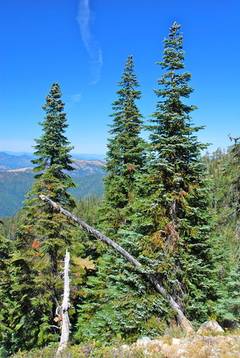
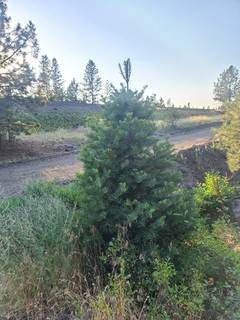
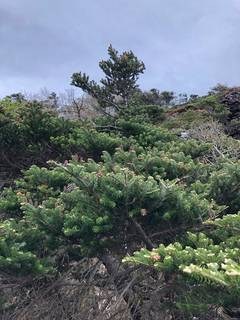
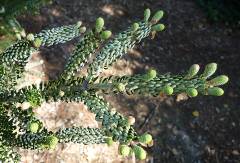
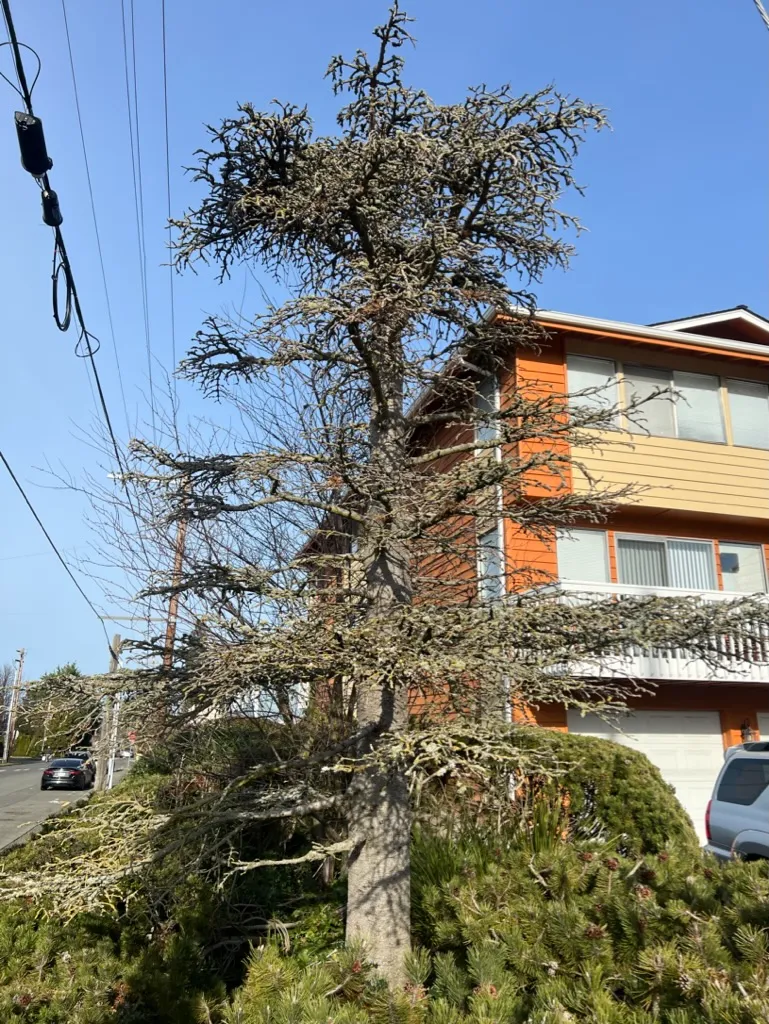
Abies lasiocarpa is an upright coniferous evergreen tree growing 40-60 feet (12-18 m) tall and 8-12 feet (2.4-3.7 m) wide, forming a narrow spire-like pyramidal crown. The species name lasiocarpa means woolly-fruited, referring to the cone scales. Blue-gray to silvery-blue needles, 1-1.5 inches (2.5-4 cm), radiate around the stem in a bottle-brush arrangement rather than lying in flat sprays. Foliage has a balsam scent when crushed. Upright cylindrical cones, 2-4 inches (5-10 cm), are dark purple when young and disintegrate on the tree. Native to subalpine western North America from Alaska to New Mexico, at treeline in the Cascades, Olympics, and Rocky Mountains; in the southern Rockies it occurs at 6,000-12,000 feet (1,800-3,650 m). The narrow crown width of 8-12 feet (2.4-3.7 m) relative to its 40-60 foot (12-18 m) height produces a spire silhouette narrower than other North American firs. The variety arizonica (corkbark fir) has creamy-white bark. Requires cool, moist conditions and does not tolerate heat or drought — this cool-climate requirement is the principal limitation in lowland gardens. Not deer-resistant. Non-toxic.
Native Range
Native to subalpine western North America from Alaska south to New Mexico. Found at treeline in the Cascades, Olympic Mountains, and Rocky Mountains at 6,000-12,000 feet (1,800-3,650 m) in the southern portion of its range.Suggested Uses
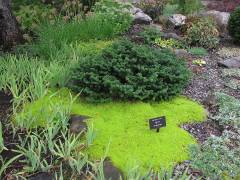
Grown as a narrow coniferous specimen in cool-climate gardens, spaced 8-12 feet (2.4-3.7 m) apart. The narrow crown and silvery blue-gray foliage suit sites where a vertical accent is needed without wide canopy spread. Not adapted to hot or dry lowland climates. Non-toxic. Hardy in zones 4-7.How to Identify
Appearance
Size & Dimensions
Height40' - 60'
Width/Spread8' - 12'
Bloom Information
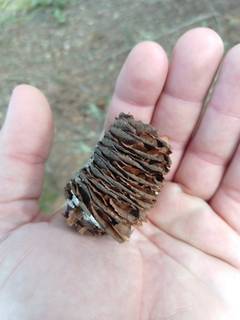
Not applicable — conifer. Wind-pollinated. Male strobili release pollen in April-May. Upright cylindrical cones, 2-4 inches (5-10 cm), dark purple when young, ripen and disintegrate on the tree in fall.
Detailed Descriptions
Foliage Description
blue-gray to silvery-blue with a frosted appearance; needles 1-1.5 inches (2.5-4 cm) arranged in a bottle-brush pattern radiating around the stem; balsam-scented when crushedGrowing Conditions
Sun Requirements
Requires 6-12 hours of direct sunlight daily
• Full Sun: 6+ hours of direct sunlight
• Partial Shade: 3-6 hours of direct sunlight
• Full Shade: Less than 3 hours of direct sunlight
Care & Maintenance
Care Guide
Site in full sun (6-12 hours) in well-drained soil with a pH of 5.0-7.0. Requires cool, consistently moist conditions — does not tolerate heat or drought. Suited to mountain and northern gardens where summer temperatures remain moderate. The narrow crown of 8-12 feet (2.4-3.7 m) requires less lateral space than wider-crowned firs. Growth rate is slow. Not deer-resistant. Non-toxic. Hardy in zones 4-7.Pruning
No routine pruning is needed — the narrow spire form develops naturally. Remove dead or damaged branches in early spring (February-March). The central leader should not be removed.Pruning Schedule
Prune: February–March
early spring