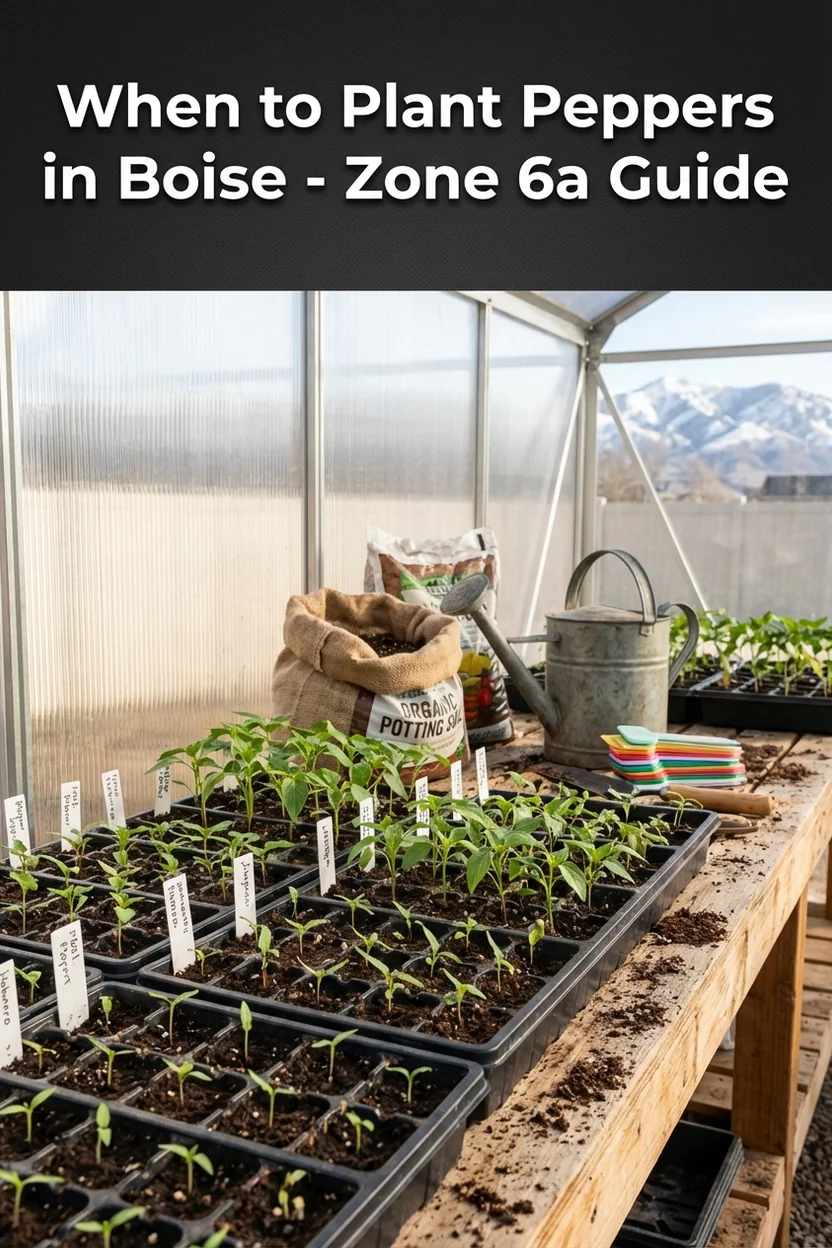
When to Plant Peppers in Boise: Complete Guide + Best Varieties for Zone 6a
Pets & Toxicity
Recorded toxicity for plants linked in this guide. An unknown status is not a safety assessment.
Toxic to pets: Poblano pepperDetailsHide
Capsicum annuum 'California Wonder' — Toxicity
Non-toxicView Capsicum annuum 'California Wonder' plant profileCapsicum chinense 'Habanero' — Toxicity: Not assessed
Fruit contains capsaicin at 100,000–350,000 Scoville Heat Units — strong enough to cause severe burning on skin, eyes, and mucous membranes through simple contact with cut fruit or the hand that held it. Nitrile gloves are used during handling and food preparation; face and eye contact is avoided. The fruit is irritating rather than toxic in the usual sense, but the heat level can cause significant discomfort and real injury if mishandled. The plant is kept out of reach of children and pets.View Capsicum chinense 'Habanero' plant profileCapsicum annuum 'Poblano' — Toxicity Warning
Toxic to petsView Capsicum annuum 'Poblano' plant profileCapsicum annuum 'Jalapeño' — Toxicity: Not assessed
Capsaicin in fruit causes burning sensations in mouth and on skin. Fruit and handling oils are irritating to eyes and mucous membranes but are not toxic in the usual sense. Gloves are used during harvesting and processing; hands are washed thoroughly before touching face. Small amounts are generally safe for pets but can cause digestive upset.View Capsicum annuum 'Jalapeño' plant profile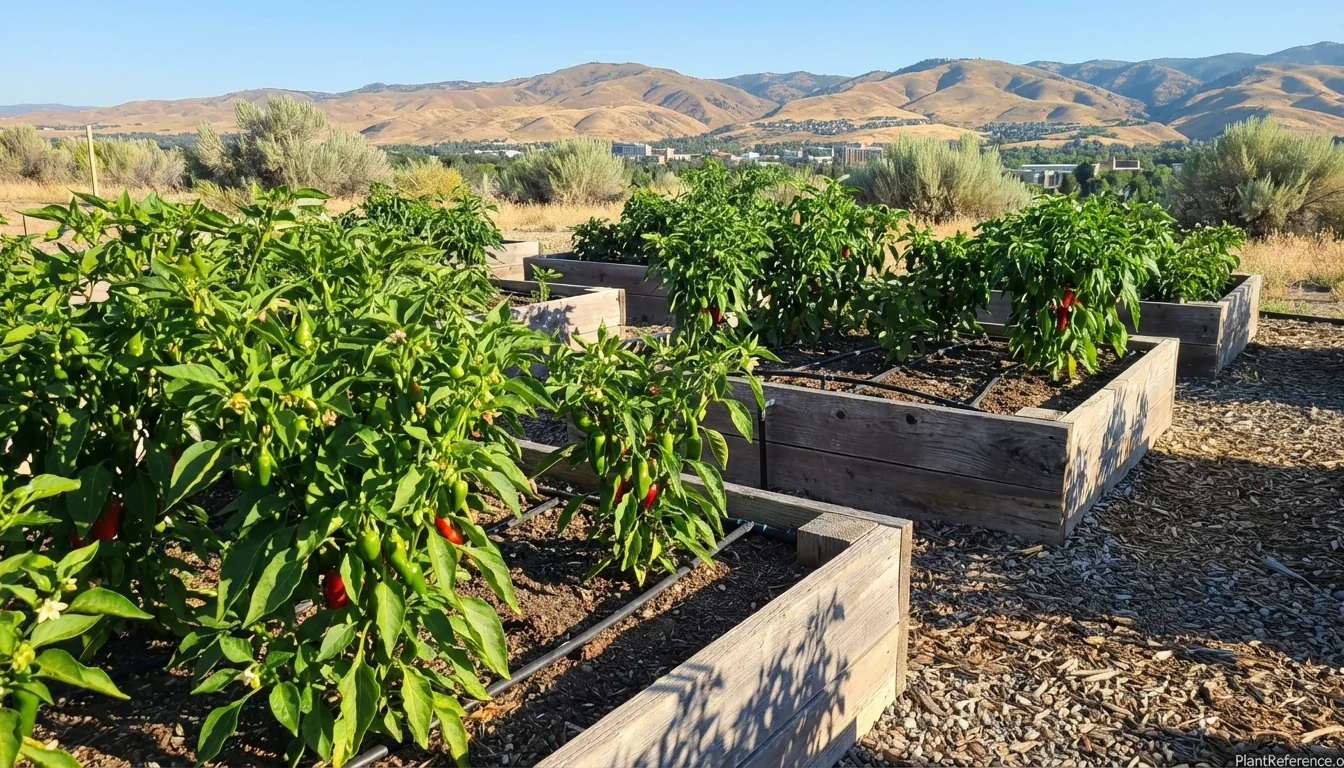
— Image © Plant Reference 2026
Growing peppers in Boise presents unique opportunities and challenges that I've navigated through forty years of Idaho gardening. Our Zone 6a climate offers 158 growing days—enough for most pepper varieties if you time everything right and choose wisely.
Best Pepper Varieties for Boise's Zone 6a Climate
Boise's high desert climate demands pepper varieties that can handle temperature swings, intense UV radiation, and occasional late spring surprises. After decades of testing varieties in this challenging environment, I can tell you exactly which peppers thrive here and which ones will disappoint you.
The key to success in Zone 6a is understanding our 158-day growing season. While that might sound generous, our elevation of 2,700 feet means cooler nights that can stall pepper growth. You need varieties that mature quickly and handle temperature fluctuations without sulking.
Variety | Days to Maturity | Best For | Notes for Boise |
|---|---|---|---|
60-70 days | Quick harvest, container growing | Perfect for Zone 6a short season, handles cool nights | |
65-75 days | Fresh eating, pickling | Reliable producer, yellow color shows heat stress | |
65-80 days | Roasting, stuffing | Needs protection from intense afternoon sun | |
70-80 days | Fresh eating, stuffing | Requires consistent watering for thick walls | |
70-80 days | Salsa, pickling | Develops more heat in Boise's dry climate | |
70-80 days | Roasting, drying | Excellent for high altitude, handles wind | |
70-85 days | Drying, spice making | Thrives in dry heat, easy to cure | |
90-120 days | Hot sauce making | Challenging in Zone 6a, needs season extension |
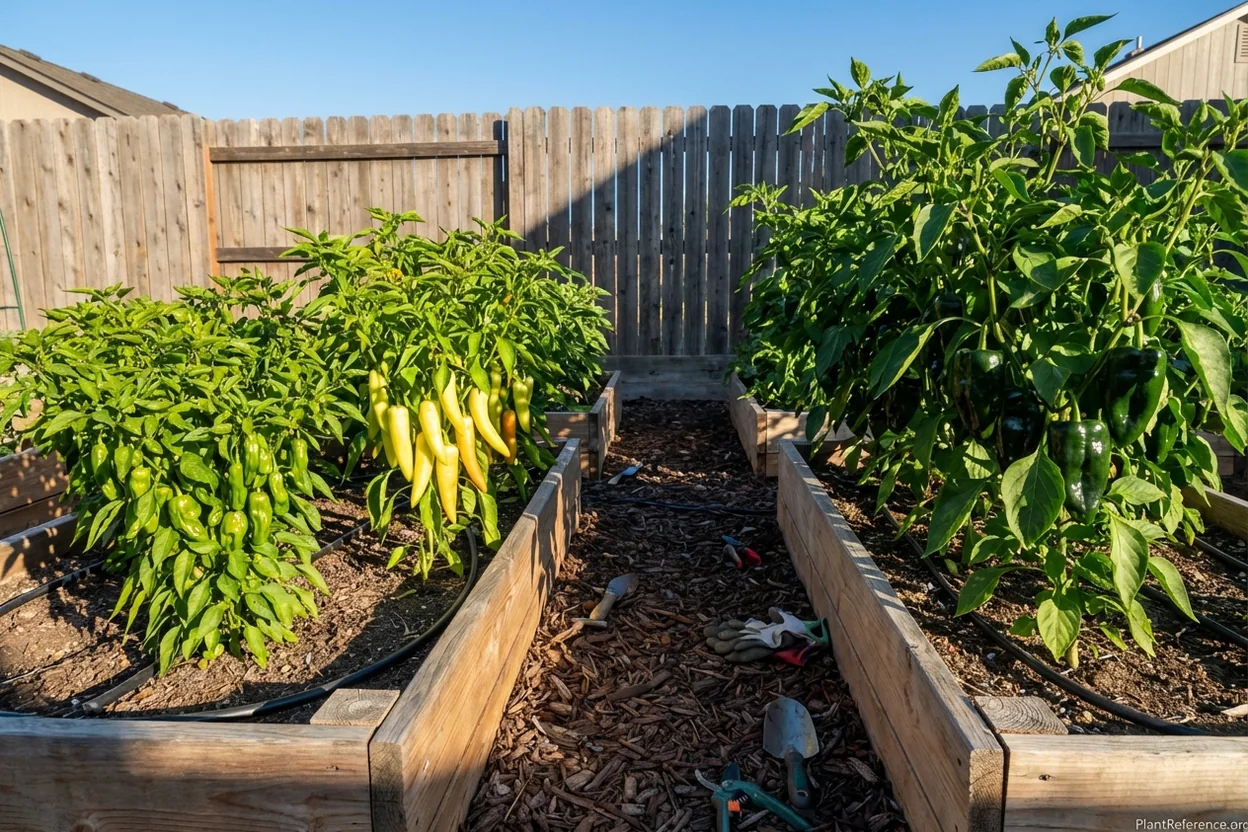
For guaranteed success in Boise, stick with 🌿Capsicum annuum 'Shishito' and 🌿Capsicum annuum 'Sweet Banana'. These varieties mature quickly enough to beat our first frost and actually benefit from our cool nights, which intensify their flavors without adding unwanted heat.
🌿Capsicum annuum 'Poblano' and 🌿Capsicum annuum 'California Wonder' work well but require afternoon shade during July and August when our temperatures regularly hit 95°F (35°C). The intense UV at our elevation can sunscald large-fruited varieties.
Avoid 🌿Capsicum chinense 'Habanero' unless you're prepared for container growing and season extension. These tropical varieties need more heat units than our climate reliably provides.
Specific Planting Dates for Boise
Timing is everything when growing peppers in Boise. Our last frost typically occurs on May 5, but soil temperature is just as important as air temperature. Peppers planted in cold soil will sulk for weeks, even if the air is warm.
Indoor Seed Starting: March 15-22
Start seeds indoors 7-8 weeks before your planned transplant date. In Boise, this means sowing seeds during the third week of March. Use a heat mat to maintain soil temperature at 80-85°F (27-29°C) for reliable germination.
🌿Capsicum chinense 'Habanero' seeds need extra time and heat. Start these on March 8-15 and maintain soil temperatures at 85°F (29°C) consistently. Without bottom heat, these seeds may not germinate at all.
Hardening Off: May 1-8
Begin hardening off seedlings during the first week of May. Boise's spring weather can be unpredictable, with temperatures swinging from 70°F (21°C) during the day to 35°F (2°C) at night. Start with 2-3 hours of outdoor exposure and gradually increase.
Transplanting: May 12-19
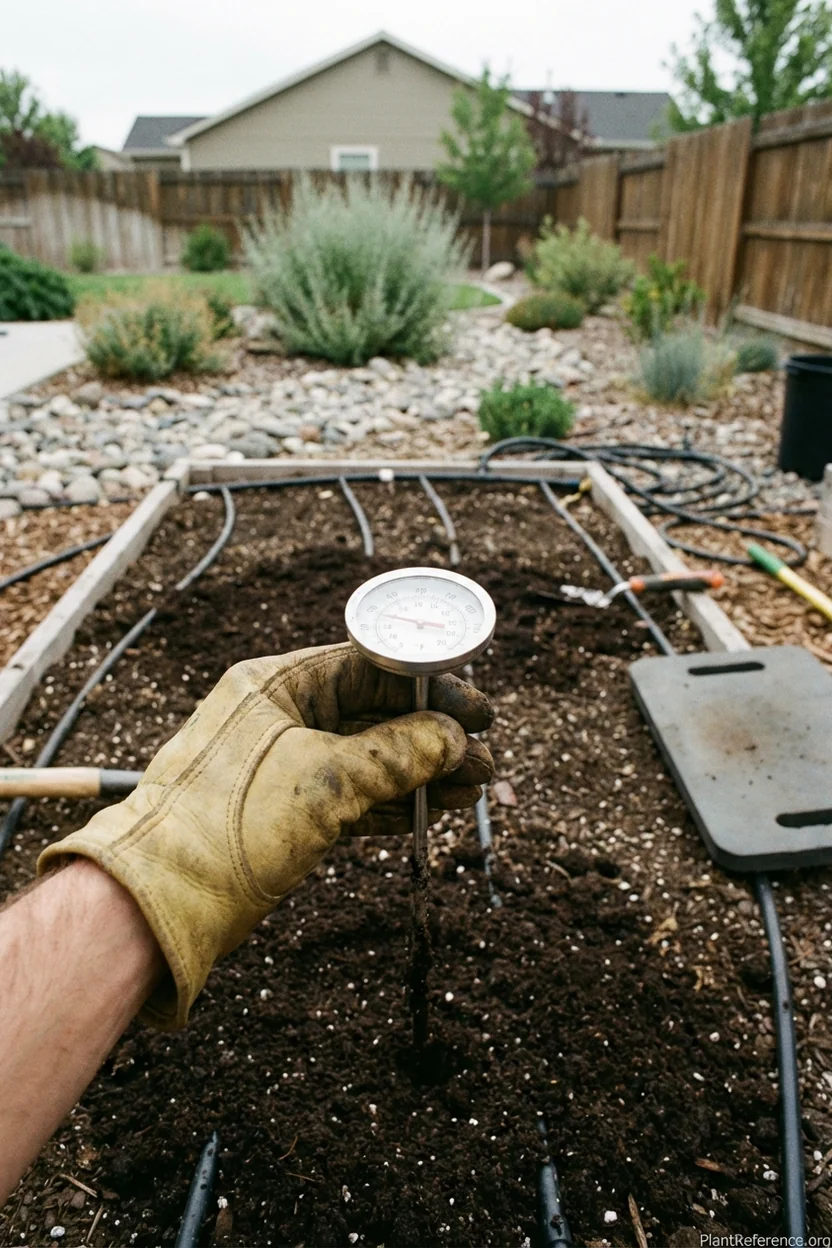
Wait until both soil temperature and night temperatures are consistently above 55°F (13°C). In Boise, this typically happens during the second week of May. Soil temperature is more critical than air temperature—check it with a soil thermometer at 4-inch depth.
Never rush this date. I've seen gardeners plant on May 5 (our average last frost date) only to watch their peppers sit motionless for three weeks because the soil was still too cold.
Critical Temperature Dates: - Soil reaches 55°F: May 8-12 - Night temps above 55°F: May 10-15 - Safe transplant window: May 12-19 - First harvest: July 15-25 (quick varieties) - Main harvest: August 1 - September 30 - First frost threat: October 10
Complete Growing Guide for Boise
Growing peppers successfully in Boise requires adapting to our high desert conditions: intense UV radiation, low humidity, alkaline soil, and significant temperature fluctuations.
Soil Preparation
Boise's native soil is typically alkaline clay with pH levels around 7.5-8.0. Peppers prefer slightly acidic to neutral soil (pH 6.0-7.0), so amendment is necessary.
Work 2-3 inches of compost into your beds each spring. This improves drainage in our clay soils while adding organic matter that helps buffer pH. Avoid fresh manure, which can burn pepper roots and encourage excessive foliage at the expense of fruit production.
Soil Amendment Recipe for Boise:
2-3 inches compost per 100 square feet
1 inch coarse sand (not fine sand) to improve drainage
2 tablespoons sulfur per plant to lower pH
Bone meal at planting for phosphorus
Test your soil pH annually. If it's above 7.5, add sulfur in fall to gradually lower it over winter.
Planting Technique
Dig planting holes 6 inches wider than the root ball and plant slightly deeper than the seedlings were growing in their containers. This encourages additional root development along the buried stem.
Space plants 18-24 inches apart in rows 3 feet apart. Closer spacing reduces yields and increases disease pressure in our dry climate where air circulation helps prevent the few fungal issues we encounter.
Install support cages at planting time. Even compact varieties like 🌿Capsicum annuum 'Shishito' benefit from support during Boise's frequent afternoon windstorms.
Irrigation Strategy
Boise receives only 12 inches of annual precipitation, making consistent irrigation critical. However, overwatering kills more peppers here than underwatering.
Install drip irrigation before planting. Peppers need deep, infrequent watering to develop strong root systems that can handle our temperature extremes.
Irrigation Schedule: - Week 1-2 after transplanting: Daily light watering to establish roots - Weeks 3-4: Every other day, deeper watering - Flowering through harvest: Twice weekly, 1 inch total per week - August-September: Reduce to once weekly as temperatures drop
Water early morning (6-8 AM) to minimize evaporation and allow plants to dry before evening. Wet foliage overnight can encourage bacterial diseases, though these are rare in our dry climate.
Managing Boise's Intense Sun
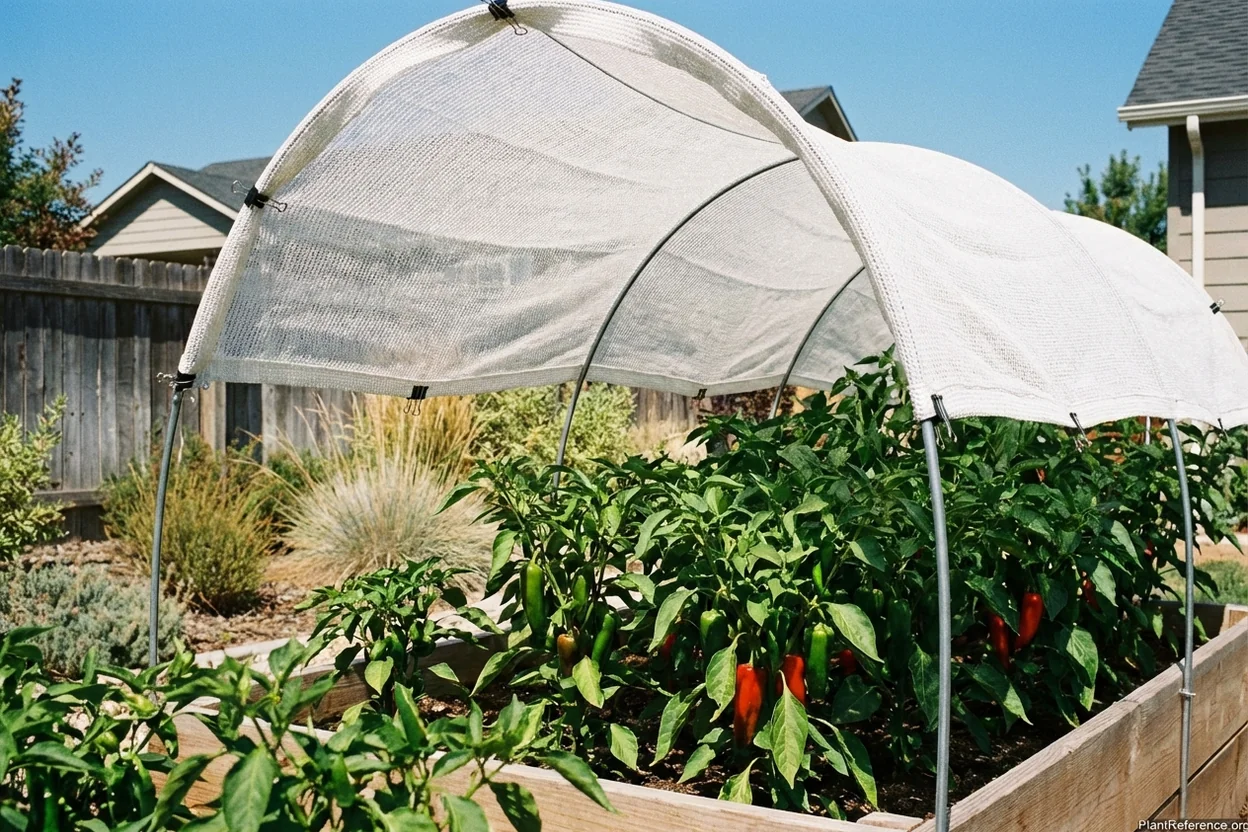
Our elevation of 2,700 feet means intense UV radiation that can sunscald pepper fruits. This appears as bleached, papery patches on the sun-facing side of fruits.
Use 30% shade cloth during July and August for large-fruited varieties like 🌿Capsicum annuum 'California Wonder' and 🌿Capsicum annuum 'Poblano'. Install it 2-3 feet above plants to maintain air circulation.
Maintain dense foliage by avoiding excessive pruning. The leaves naturally shade developing fruits. Only remove damaged or diseased foliage.
Plant taller crops like tomatoes or sunflowers on the south and west sides of pepper beds to provide natural afternoon shade.
Fertilization Program
Boise's alkaline soils often lock up nutrients, particularly phosphorus and iron. Peppers are moderate feeders but need consistent nutrition throughout the growing season.
Pre-planting: Mix bone meal (2 tablespoons per plant) into soil at transplanting for phosphorus availability.
Monthly feeding: Use balanced fertilizer (10-10-10) every 4 weeks through August. Avoid high-nitrogen fertilizers after early July—they promote leafy growth at the expense of fruit development.
Micronutrients: Apply chelated iron monthly if plants show yellowing between leaf veins (chlorosis). This is common in our alkaline soils.
Watch for phosphorus deficiency, which appears as purple leaf undersides. This often occurs in cool weather when phosphorus uptake is reduced.
Season Extension Techniques
To maximize your 158-day growing season, use these techniques I've perfected over decades of Boise gardening:
Black plastic mulch: Lay it 2-3 weeks before planting to warm soil faster. This can advance your planting date by 7-10 days.
Wall o' Water or cloches: Protect transplants from late spring cold snaps. Boise can see frost as late as May 15 in some years.
Row covers: Keep lightweight fabric covers handy for unexpected cool snaps in early June. Remove during flowering to allow pollination.
Fall protection: Be ready with covers in early October. Often you can extend harvest 2-3 weeks past first frost with simple protection.
Troubleshooting Boise-Specific Problems
Living in Idaho's high desert creates unique challenges that differ from typical pepper growing guides written for humid climates.
Sunscald
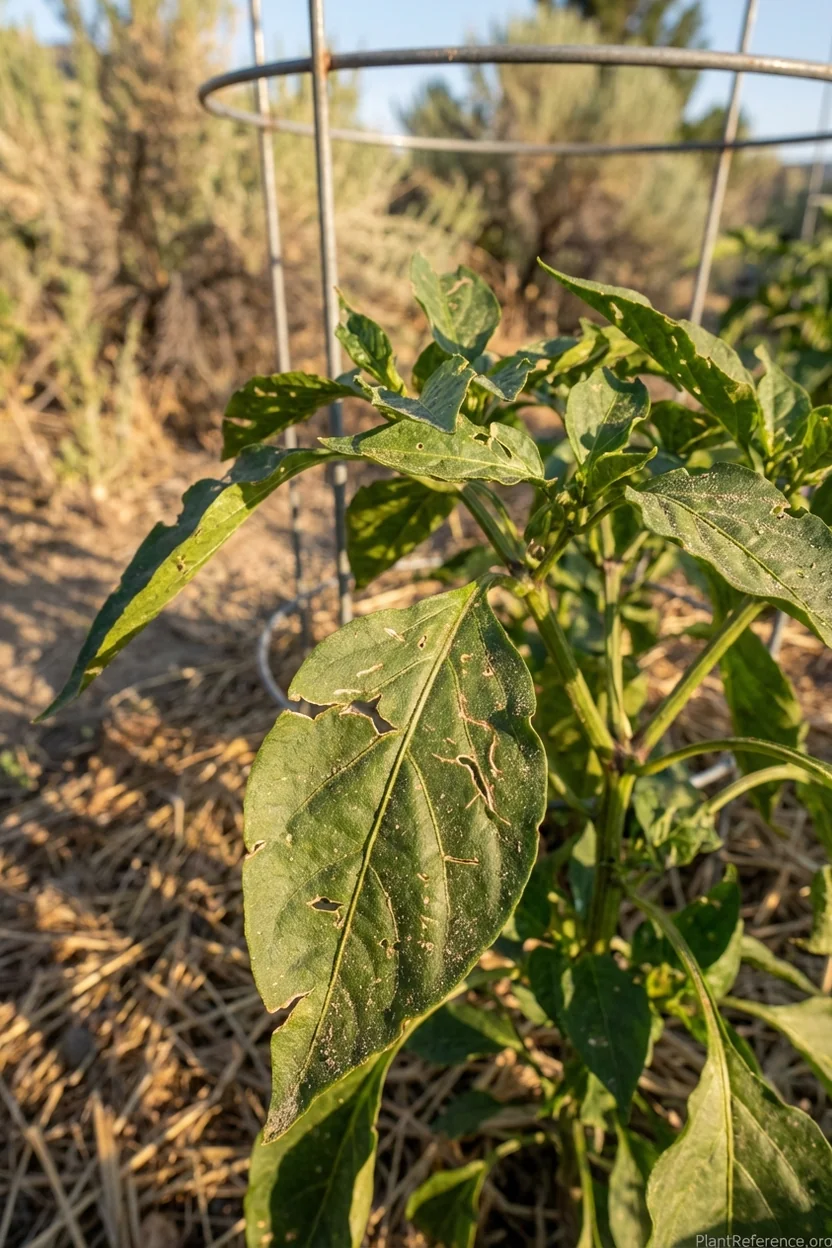
Symptoms: Bleached, papery patches on fruit surfaces, usually on the side facing afternoon sun.
Cause: Intense UV radiation at 2,700 feet elevation combined with low humidity.
Solution: Install 30% shade cloth during July-August heat waves. Maintain adequate foliage cover by avoiding excessive pruning. Choose naturally leafy varieties like 🌿Capsicum annuum 'Jalapeño'.
Blossom End Rot
Symptoms: Dark, sunken spots on the bottom (blossom end) of developing fruits.
Cause: Calcium deficiency caused by inconsistent watering, common in our clay soils that either hold too much water or become hydrophobic when dry.
Solution: Maintain consistent soil moisture with drip irrigation. Mulch heavily to buffer soil moisture. Add gypsum (calcium sulfate) to improve calcium availability in alkaline soils.
Poor Fruit Set
Symptoms: Flowers drop without forming fruits, particularly during hot weather.
Cause: High temperatures (above 90°F/32°C) combined with low humidity stress pollen viability.
Solution: Provide afternoon shade during heat waves. Mist plants in early morning to increase local humidity. Time plantings so flowering occurs during cooler periods (June or September).
Wind Damage
Symptoms: Broken branches, tilted plants, fruit scarring from sand abrasion.
Cause: Boise's frequent 20-30 mph afternoon winds, often carrying dust and sand.
Solution: Install sturdy cages at planting time. Plant windbreaks on the prevailing wind side (usually southwest). Choose compact varieties less susceptible to wind damage.
Alkaline Soil Lockup
Symptoms: Yellowing between leaf veins (chlorosis), poor growth despite adequate fertilization.
Cause: High soil pH (above 7.5) makes nutrients unavailable, particularly iron and phosphorus.
Solution: Apply sulfur in fall to gradually lower pH. Use chelated fertilizers that remain available in alkaline conditions. Add organic matter annually to buffer pH naturally.
Harvest & Storage
Proper timing and storage techniques maximize your pepper harvest and extend enjoyment through Boise's long winter.
Harvest Timing by Variety: - 🌿Capsicum annuum 'Shishito':** Pick when 2-3 inches long, still bright green and tender (July-September) - 🌿Capsicum annuum 'Sweet Banana':** Harvest yellow for sweet flavor or red for fuller flavor (August-October) - 🌿Capsicum annuum 'Jalapeño':** Pick green for traditional use or red for sweeter, hotter flavor (August-September) - 🌿Capsicum annuum 'Poblano':** Harvest when dark green and full-sized but still firm (August-September)
Storage Methods: Fresh peppers keep 1-2 weeks refrigerated in perforated plastic bags. For longer storage, blanch and freeze sweet varieties or dry hot varieties whole.
Boise's dry climate is excellent for air-drying thin-walled peppers like 🌿Capsicum annuum 'Cayenne'. String them up in a well-ventilated area away from direct sunlight.
For thick-walled varieties like 🌿Capsicum annuum 'Poblano', roast and freeze them. Our low humidity makes dehydrator drying very effective—just slice and dry at 135°F until crisp.
Frequently Asked Questions
Reading about plants and recognising them are different skills. These three build the second.
- Daily PlantIdentify the day’s mystery plant from a close-up photograph.
- Keyed OutWork a dichotomous key, lead by lead, to name a hidden specimen.
- Name That PlantName a specimen from botanical clues dealt hardest first.
Free to play, no account needed
Lily is a Master Gardener and high-desert homesteader outside Boise. She and her husband moved to Idaho from the Bay Area and had to completely relearn gardening for a climate with alkaline soil, intense sun, hard freezes, and limited water. Lily now grows a large vegetable garden, maintains a small orchard of cold-hardy fruit trees, and raises cut flowers for the local farmers market. She writes about the specific challenges of intermountain gardening—short seasons, temperature swings, and the importance of soil amendment in high-pH soils. Lily is honest about the learning curve: high-desert gardening is humbling, and she thinks more gardening writers should admit when conditions are genuinely difficult.