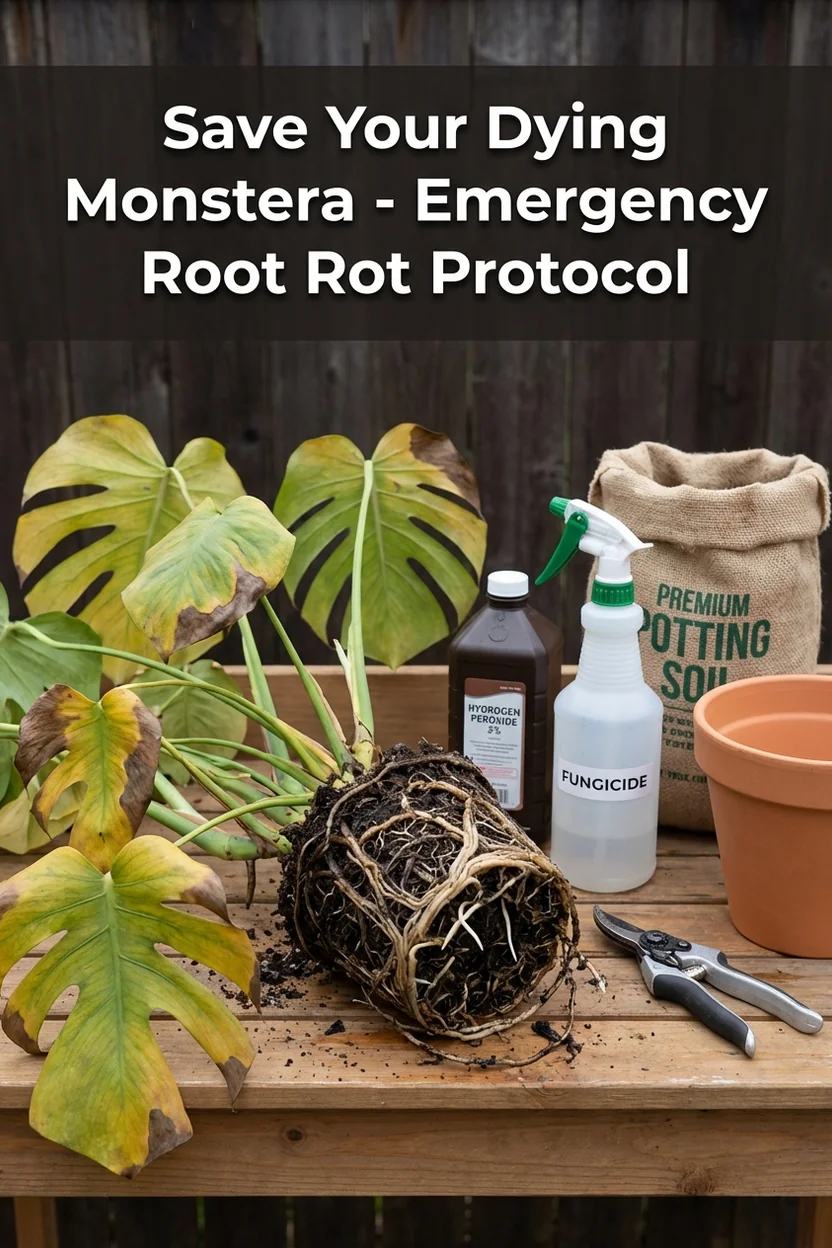
Monstera Root Rot: Emergency Rescue Guide
Pets & Toxicity
Recorded toxicity for plants linked in this guide. An unknown status is not a safety assessment.
Toxic to pets: Swiss cheese plantDetailsHide
Monstera deliciosa — Toxicity Warning
Toxic to pets and humans. All vegetative parts contain calcium oxalate crystals that cause mouth pain, swelling, and drooling if ingested. Unripe fruit also contains calcium oxalate and is toxic; only fully ripened fruit (after 12+ months) is edible.View Monstera deliciosa plant profile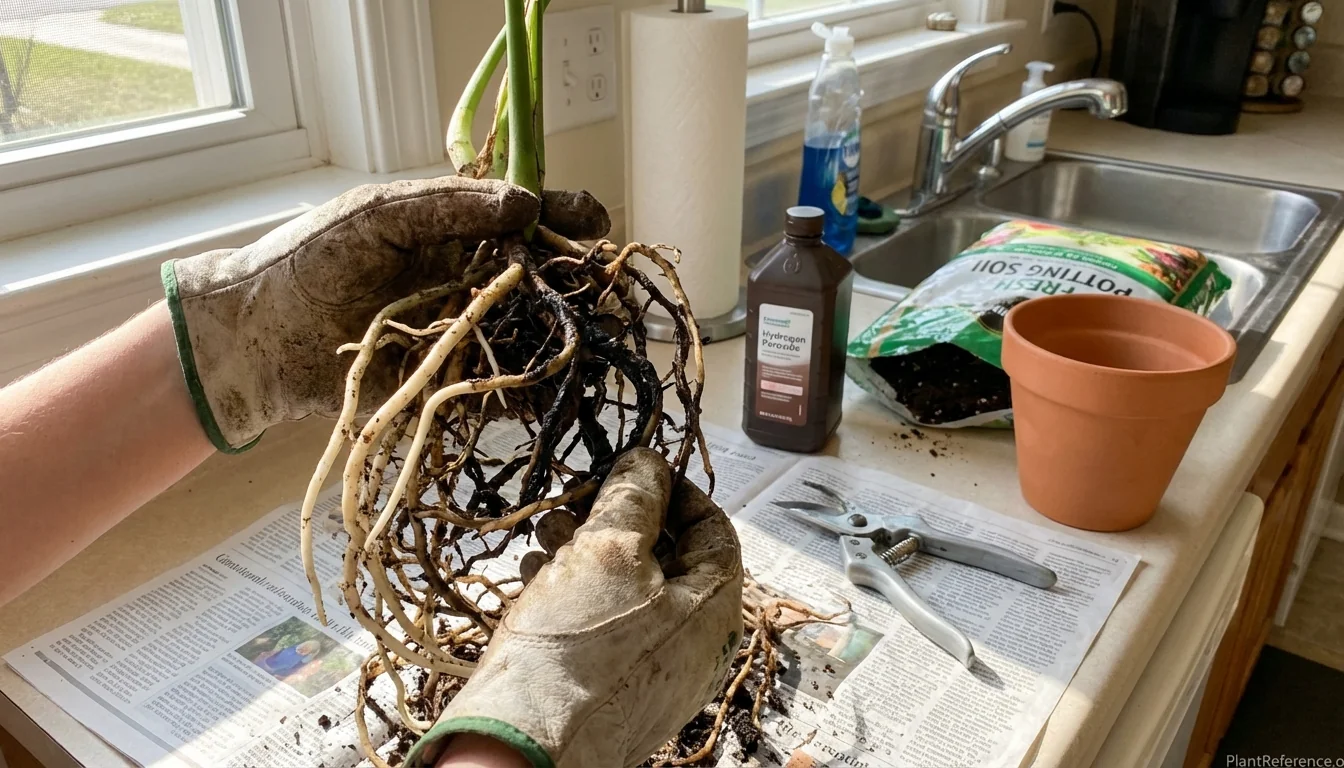
— Image © Plant Reference 2026
Let's be honest—if you're reading this, your monstera 🌿Monstera deliciosa (mon-STER-ah de-lis-ee-OH-sah) is probably in trouble. Root rot is the #1 killer of houseplants, but here's the good news: most plants can be saved if you act fast and follow the right protocol.
Is Your Monstera Dying From Root Rot?
Root rot doesn't announce itself with flashing lights—it sneaks up through seemingly unrelated symptoms. Here's what you're probably seeing:
Above-ground warning signs:
Lower leaves turning yellow and dropping rapidly
New growth stops completely or comes out tiny and weak
Leaves develop brown/black spots with yellow halos
Plant feels "loose" or wobbly in its pot
Soil stays wet for 7+ days after watering
Funky, sour smell coming from the pot
Underground reality check: If you see these symptoms, you need to unpot your plant immediately. Root rot can destroy an entire root system in 2-3 weeks once it gets established.
The culprit? Usually overwatering combined with poor drainage. But here's what most people don't realize—root rot is actually a fungal infection (Pythium, Phytophthora, or Rhizoctonia species) that thrives in waterlogged soil. The fungus literally digests your plant's roots.
Emergency Assessment: How Bad Is the Damage?
Before you start cutting, you need to know what you're dealing with. Unpot your monstera and assess the root system:
Damage categories:
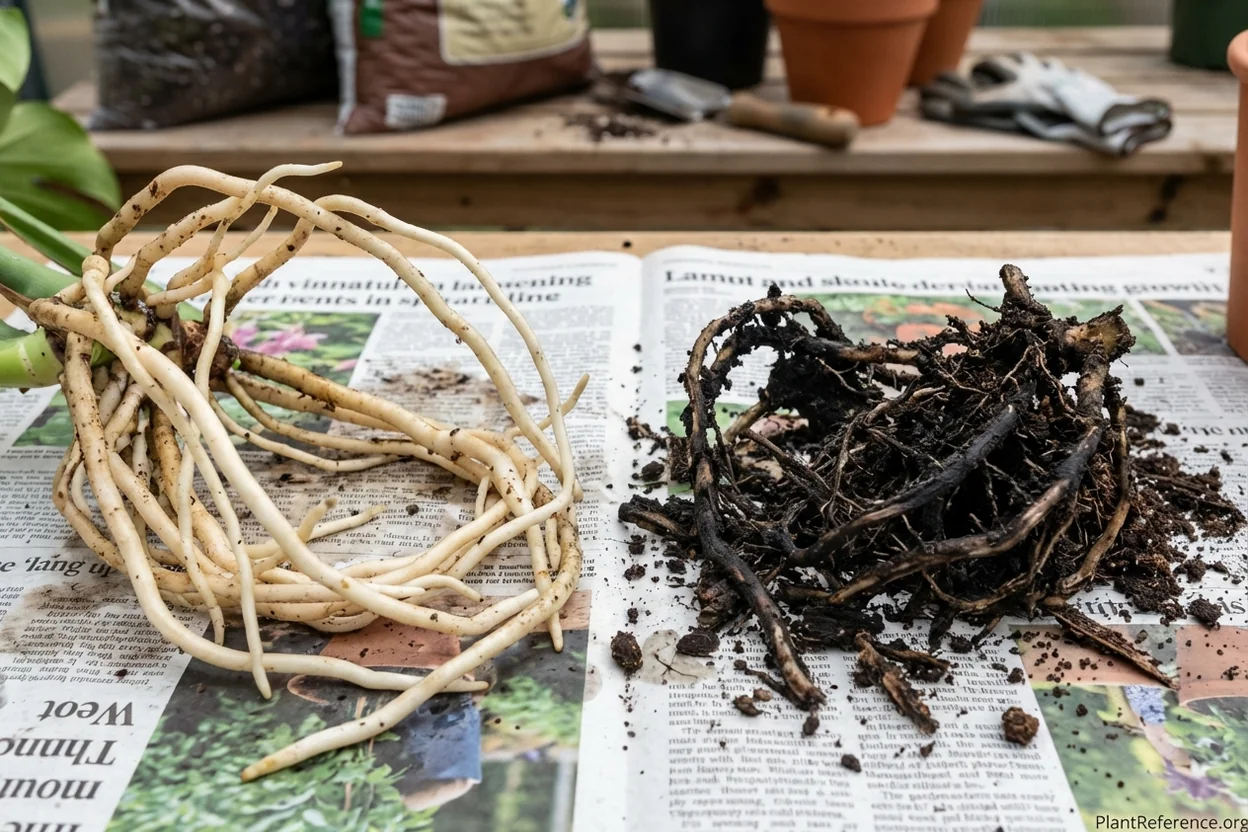
Mild (80%+ roots healthy): Few black roots at the bottom, most roots white/cream colored and firm. Recovery time: 2-3 weeks.
Moderate (50-80% roots healthy): Significant root loss but substantial healthy roots remain. Plant may lose some leaves but will recover. Recovery time: 4-6 weeks.
Severe (20-50% roots healthy): Majority of roots black/mushy, but some healthy tissue remains. Touch and go—requires intensive care. Recovery time: 8-12 weeks IF it survives.
Critical (under 20% healthy): Almost complete root loss. Honestly? Sometimes it's better to take cuttings for propagation rather than trying to save the mother plant.
Don't be gentle during assessment—healthy roots should feel firm and resist pulling. If roots fall apart when you touch them, they're gone.
Step-by-Step Root Rot Rescue Protocol
Alright, no more delays. Here's exactly how to save your plant:
Step 1: Emergency Unpotting (5 minutes)
Remove your monstera from its pot immediately. Don't worry about being gentle—speed matters more than finesse right now. Shake off as much old soil as possible. You want to see the full extent of the damage.
Step 2: Root Inspection and Photography (5 minutes)
Take photos of the root system before you start cutting. This helps you track recovery progress later. Separate healthy roots from damaged ones manually—healthy roots are white to cream-colored and feel firm, while rotted roots are black, brown, or gray and feel mushy or slimy.
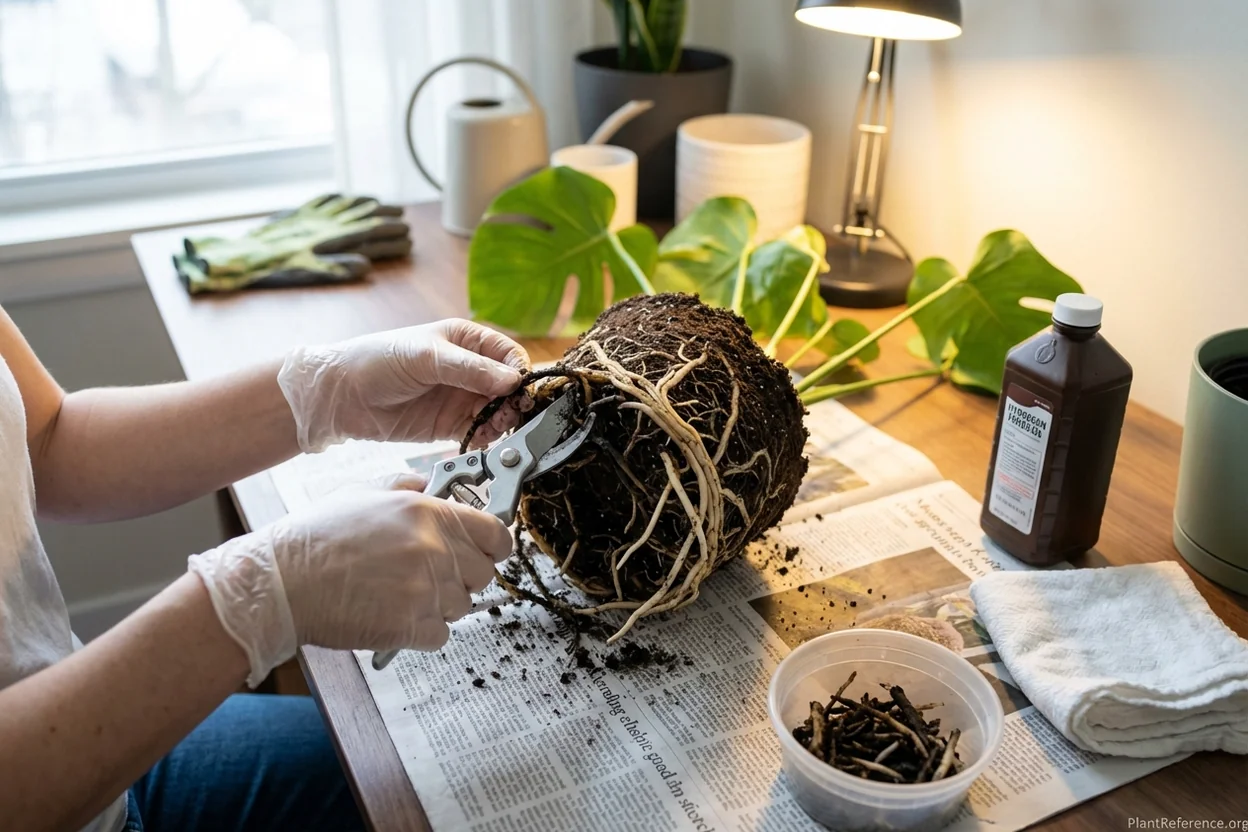
Step 3: Ruthless Root Pruning (10-15 minutes)
Using sterilized pruning shears (wipe with 70% rubbing alcohol between cuts), remove ALL rotted roots. And I mean ALL. Cut back to healthy white tissue, even if you lose 70% of the root system.
Here's the tough love: keeping even small sections of rotted roots will reinfect your entire plant. Better to have a small healthy root system than a large infected one.
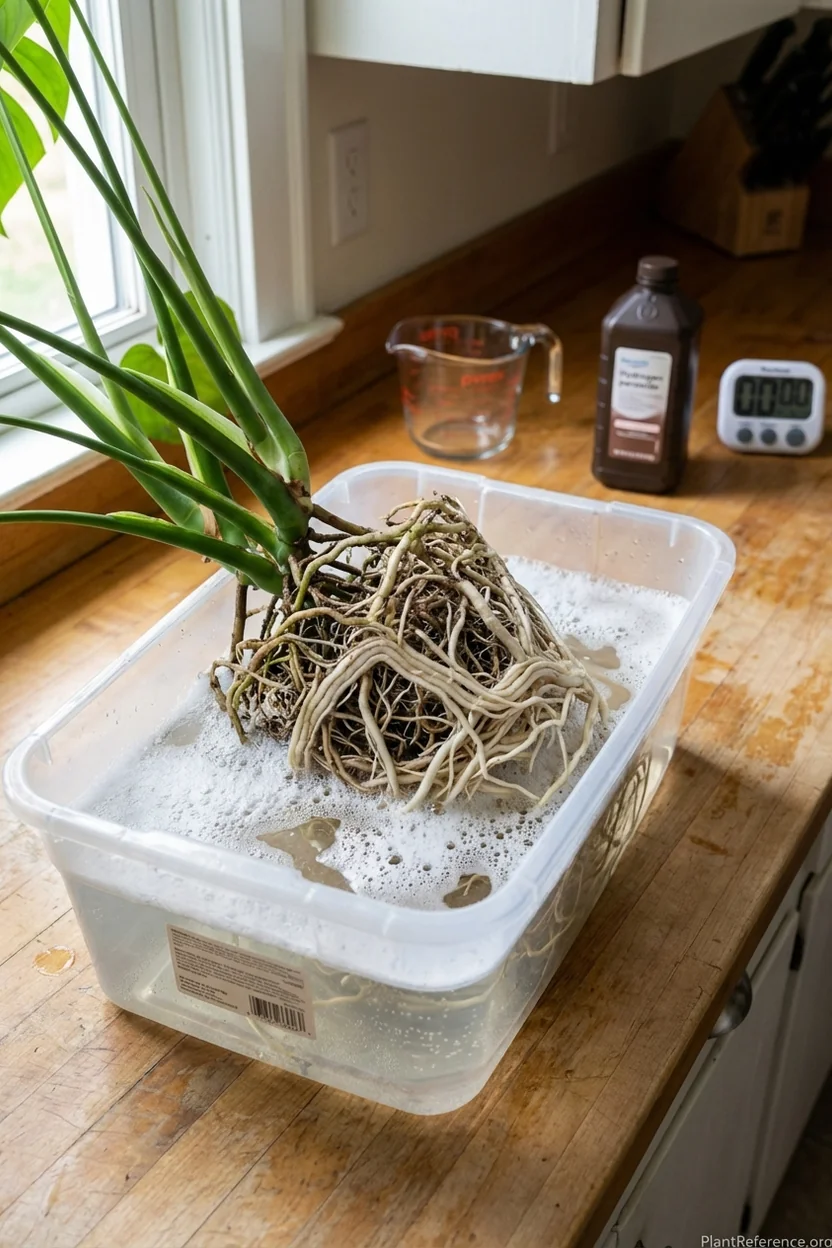
Step 4: Hydrogen Peroxide Treatment (10 minutes)
Mix a 3% hydrogen peroxide solution (1 part hydrogen peroxide to 2 parts water). Soak the remaining healthy roots for 10 minutes. This kills fungal spores and provides oxygen to stressed roots.
The solution will foam and bubble—that's good. It's killing the bad stuff.
Step 5: Pot Selection and Preparation (5 minutes)
Choose a pot 2-3 inches (5-7.5 cm) smaller than the original—your plant has lost significant root mass and can't handle its previous pot size. The new pot MUST have drainage holes. No exceptions.
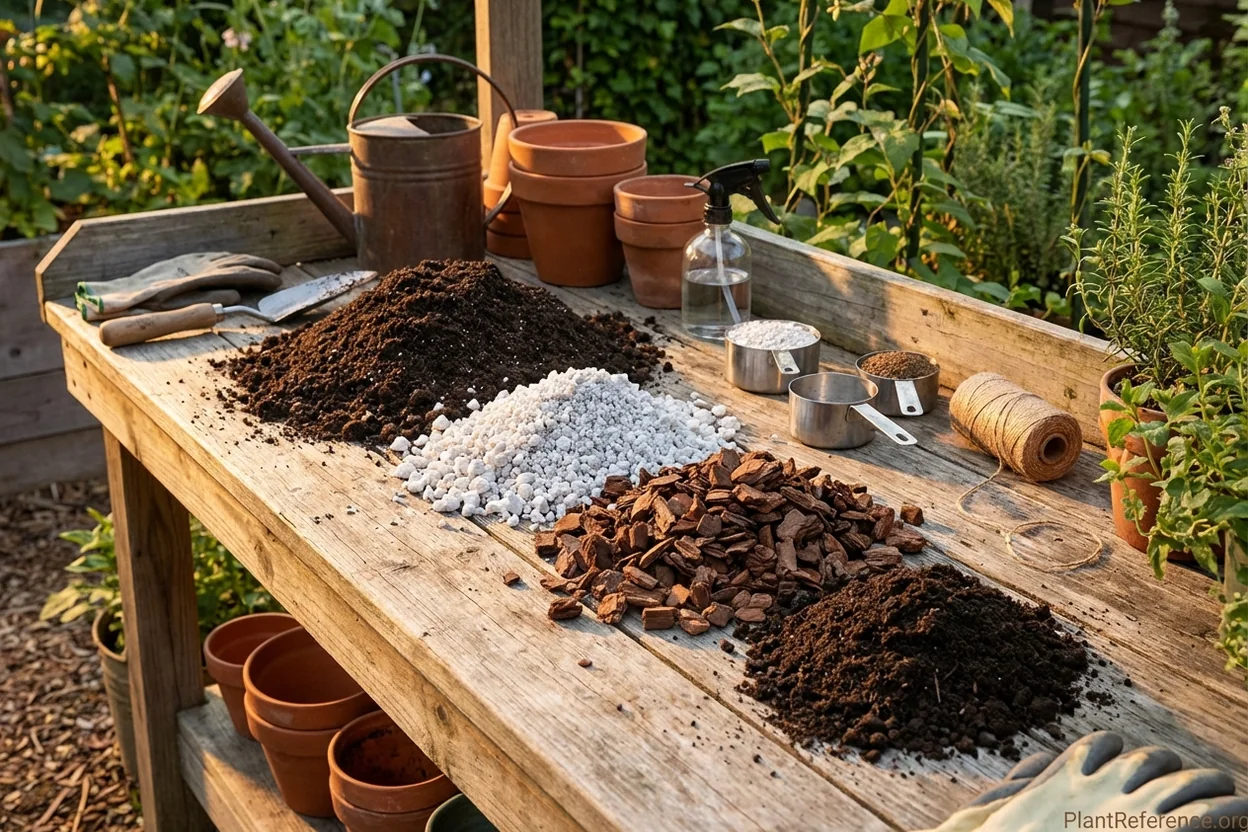
Fill with fresh, well-draining potting mix. I recommend a mix specifically designed for aroids, or create your own: 40% potting soil, 30% perlite, 20% orchid bark, 10% worm castings.
Step 6: Strategic Repotting (10 minutes)
Plant at the same depth as before. Don't bury the stem deeper thinking it will help—it won't. Water lightly just to settle the soil. Don't soak it.
Step 7: Post-Rescue Care Setup (5 minutes)
Place in bright, indirect light (not your sunniest window—the plant is stressed). High humidity helps (50-60%) but don't mist the leaves right now. The plant needs to focus energy on root recovery, not fighting leaf infections.
Post-Rescue Recovery Timeline
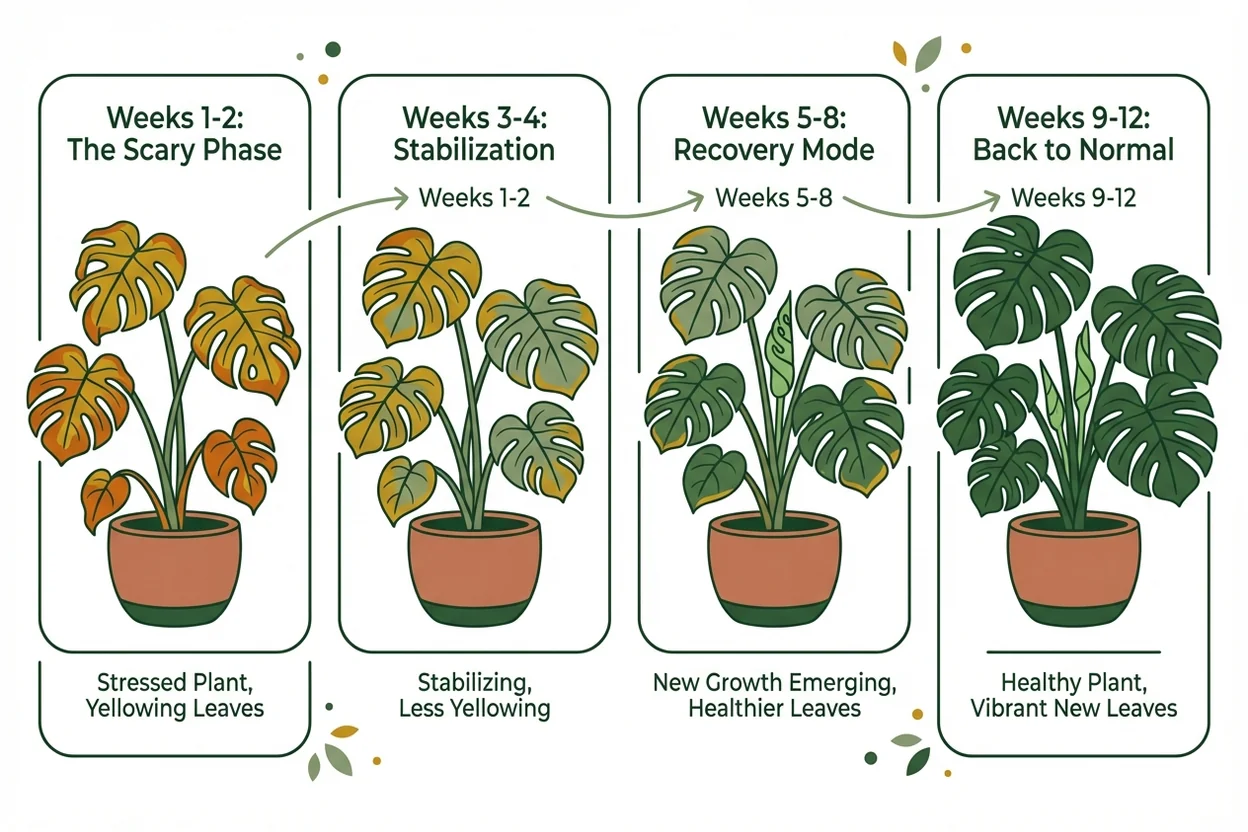
Here's what to expect—and when to worry:
Week 1-2: The Scary Phase-
Existing leaves may continue yellowing and dropping
No new growth (normal—plant is putting energy into roots)
Soil should dry out in 5-7 days (sign roots are starting to function)
RED FLAG: If soil stays wet 10+ days, you may have more root rot
Week 3-4: Stabilization-
Leaf drop should slow or stop
Soil drying schedule becomes more predictable
Plant stops looking "droopy"
GREEN FLAG: Tiny new growth buds may appear
Week 5-8: Recovery Mode-
New leaves emerge (smaller than previous growth—normal)
Root system rebuilding (you can't see this but it's happening)
Watering needs increase slightly as roots develop
GREEN FLAG: Plant feels more stable in its pot
Week 9-12: Back to Normal-
New leaves approach pre-rot size
Normal watering schedule resumes
Growth rate returns to species-typical pace
SUCCESS: Your plant has officially recovered
Critical monitoring points:
If new leaves emerge smaller and lack fenestrations (holes), that's normal during recovery
Root rot can recur if you resume overwatering too quickly
The plant's watering needs will be significantly reduced for 4-6 weeks
Preventing Future Root Rot
Let's be real—you don't want to go through this emergency rescue again. Here's how to prevent round two:
Fix Your Watering Habits
The finger test isn't reliable. Get a moisture meter and check the root zone 4-6 inches (10-15 cm) down. Water only when the meter reads 3 or below on a 10-point scale.
Seasonal adjustment matters: Your monstera needs water every 5-7 days in summer, but only every 2-3 weeks in winter. Ignore the calendar, trust the meter.
Upgrade Your Pot Game
Drainage holes are non-negotiable. If you love that decorative pot without holes, use it as a cache pot with a plastic nursery pot inside.
Size matters: Pots that are too large hold excess moisture around roots. Size up only 2-3 inches (5-7.5 cm) in diameter when repotting.
Soil Selection Reality Check
Standard potting soil retains too much moisture for monsteras. They need chunky, well-draining mixes. Look for "aroid mix" or "tropical plant soil" with visible bark chunks and perlite.
DIY recipe that works: 40% potting soil, 30% perlite, 20% orchid bark, 10% worm castings or compost.
Environmental Factors
Humidity without wetness: Use a humidifier rather than misting. Wet leaves combined with poor air circulation create fungal breeding grounds.
Temperature stability: Wild temperature swings stress plants and make them more susceptible to infections. Keep your monstera in the 65-85°F (18-29°C) range.
When to Give Up (Signs It's Too Late)
I hate admitting defeat, but sometimes the kindest thing is knowing when to stop. Here are the signs that rescue attempts won't work:
Crown rot has set in: If the main stem at soil level is black and mushy, it's over. The plant's vascular system is compromised beyond repair.
Under 10% healthy roots remain: With less than a handful of healthy roots, the plant can't support itself even with perfect care.
Repeated reinfection: If you've rescued the plant once and root rot returns within 6 months, the fungal infection is too established.
Zero new growth after 8 weeks: If properly rescued plants show no signs of new growth after 2 months, the root damage was too extensive.
In these cases, take cuttings for propagation. A healthy cutting can become a new plant in 4-6 weeks—much faster than trying to nurse a dying root system back to health.
For successful propagation of your rescued cuttings, check out our complete guide on Monstera Propagation: 3 Methods That Actually Work.
The reality check: I've saved monsteras with 90% root loss, but I've also watched people spend months nursing plants that were already gone. Trust your instincts and know when to move on.
Remember: Losing a plant to root rot doesn't make you a bad plant parent. It makes you a learning plant parent. Most houseplant enthusiasts have killed at least one plant this way—myself included.
Frequently Asked Questions
Reading about plants and recognising them are different skills. These three build the second.
- Daily PlantIdentify the day’s mystery plant from a close-up photograph.
- Keyed OutWork a dichotomous key, lead by lead, to name a hidden specimen.
- Name That PlantName a specimen from botanical clues dealt hardest first.
Free to play, no account needed
TJ stumbled into plant parenthood when a coworker gave him a neglected pothos. That single plant sparked an obsession that led him to quit his corporate marketing job and start a plant care service for busy professionals in Chicago. TJ maintains over 150 plants for residential clients and runs monthly plant swap meetups at local coffee shops. He's self-taught through YouTube, plant forums, and plenty of expensive mistakes (RIP to his variegated monstera). TJ specializes in troubleshooting common houseplant problems and is known for his blunt, no-BS advice: "Your plant isn't dying because Mercury is in retrograde—you're overwatering it." He's particularly skilled with finicky tropical plants like fiddle leaf figs and calatheas.