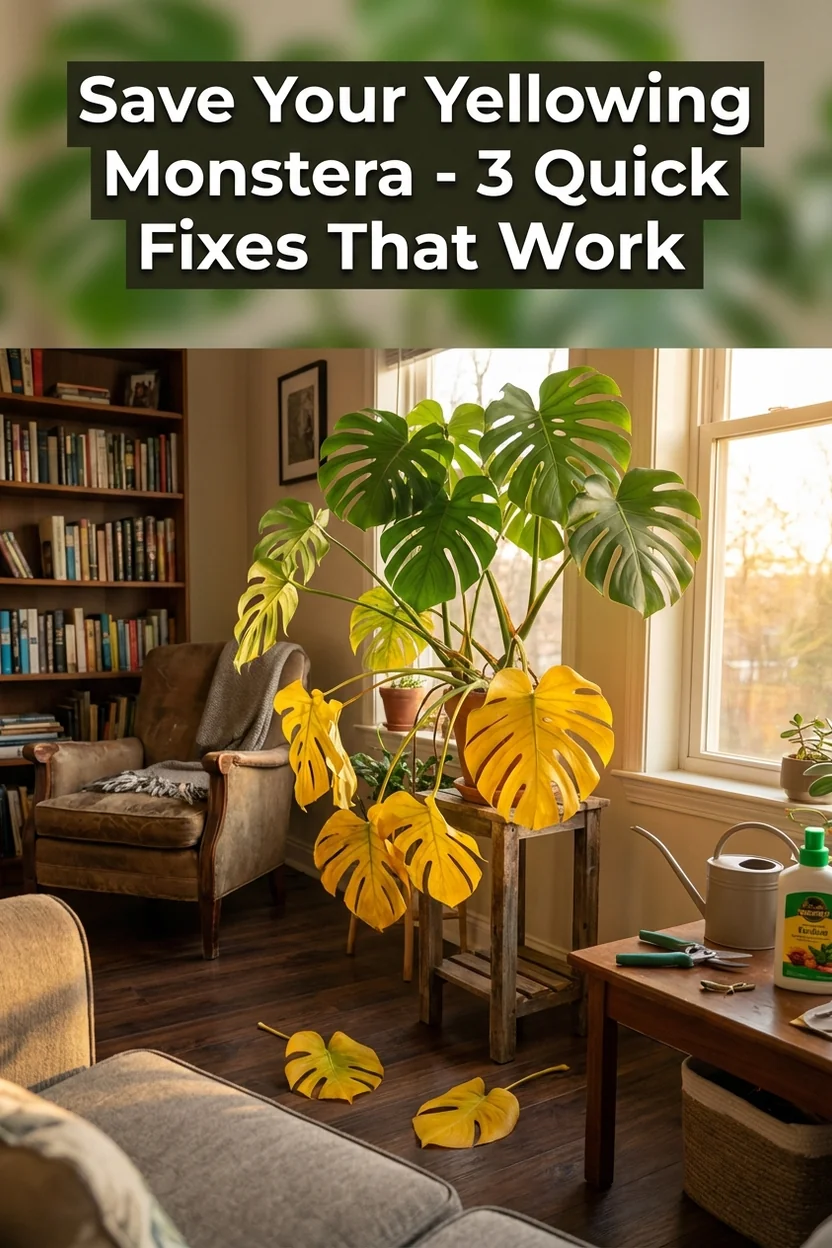
Monstera Leaves Turning Yellow: Causes and Fixes
Pets & Toxicity
Recorded toxicity for plants linked in this guide. An unknown status is not a safety assessment.
Toxic to pets: Swiss cheese plantDetailsHide
Monstera deliciosa — Toxicity Warning
Toxic to pets and humans. All vegetative parts contain calcium oxalate crystals that cause mouth pain, swelling, and drooling if ingested. Unripe fruit also contains calcium oxalate and is toxic; only fully ripened fruit (after 12+ months) is edible.View Monstera deliciosa plant profile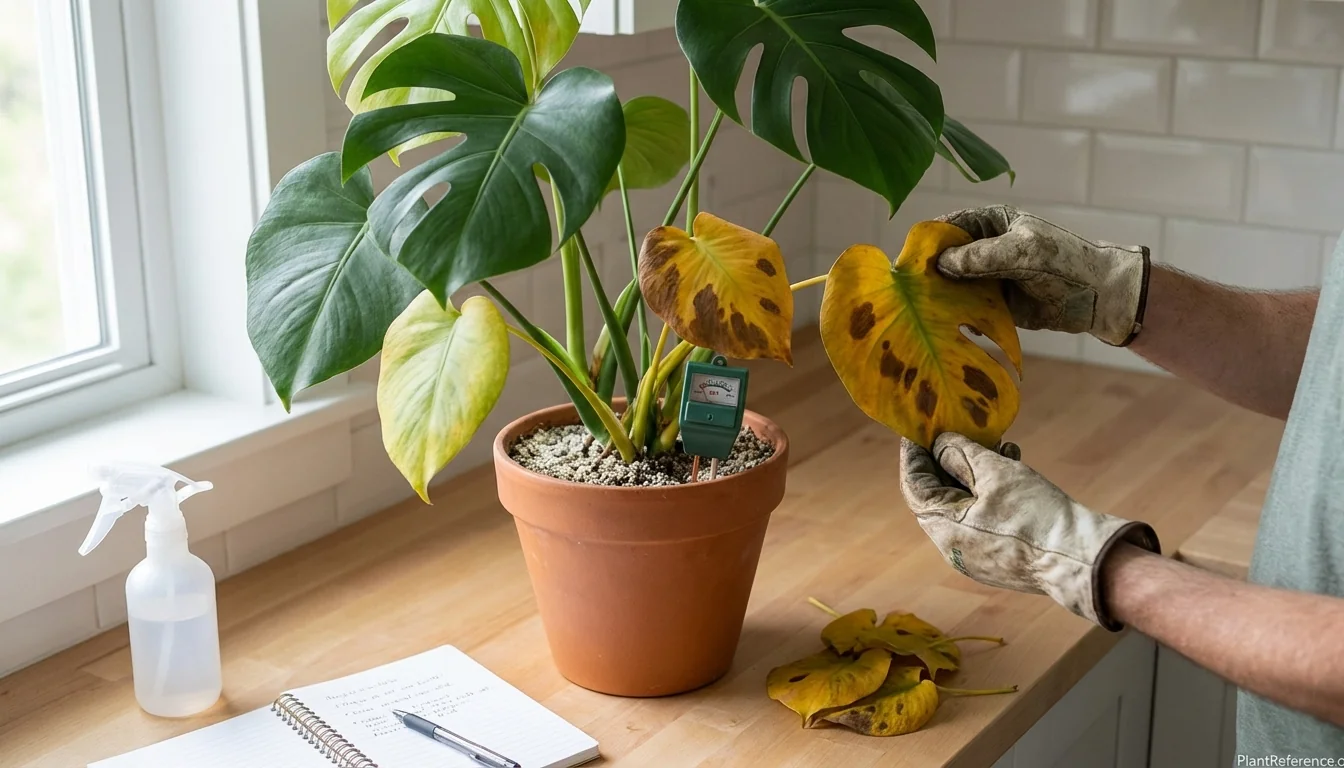
— Image © Plant Reference 2026
Let's be honest—seeing yellow leaves on your monstera 🌿Monstera deliciosa (mon-STER-ah de-lis-ee-OH-sah) is panic-inducing. You're probably wondering if your plant is dying, what you did wrong, and whether it can be saved. Here's the straight truth: yellow monstera leaves are fixable in most cases, but you need to act fast and diagnose the real problem.
Yellow leaves on monstera plants have three primary causes that account for 90% of cases I see. The key is accurate diagnosis because the wrong treatment can make things worse. I'll walk you through exactly how to identify what's wrong with your plant and fix it before you lose more leaves.
Quick Diagnosis: 3 Main Causes of Yellow Monstera Leaves
Before you panic, understand that monstera yellow leaves have predictable patterns. Here's how to diagnose what's actually wrong:
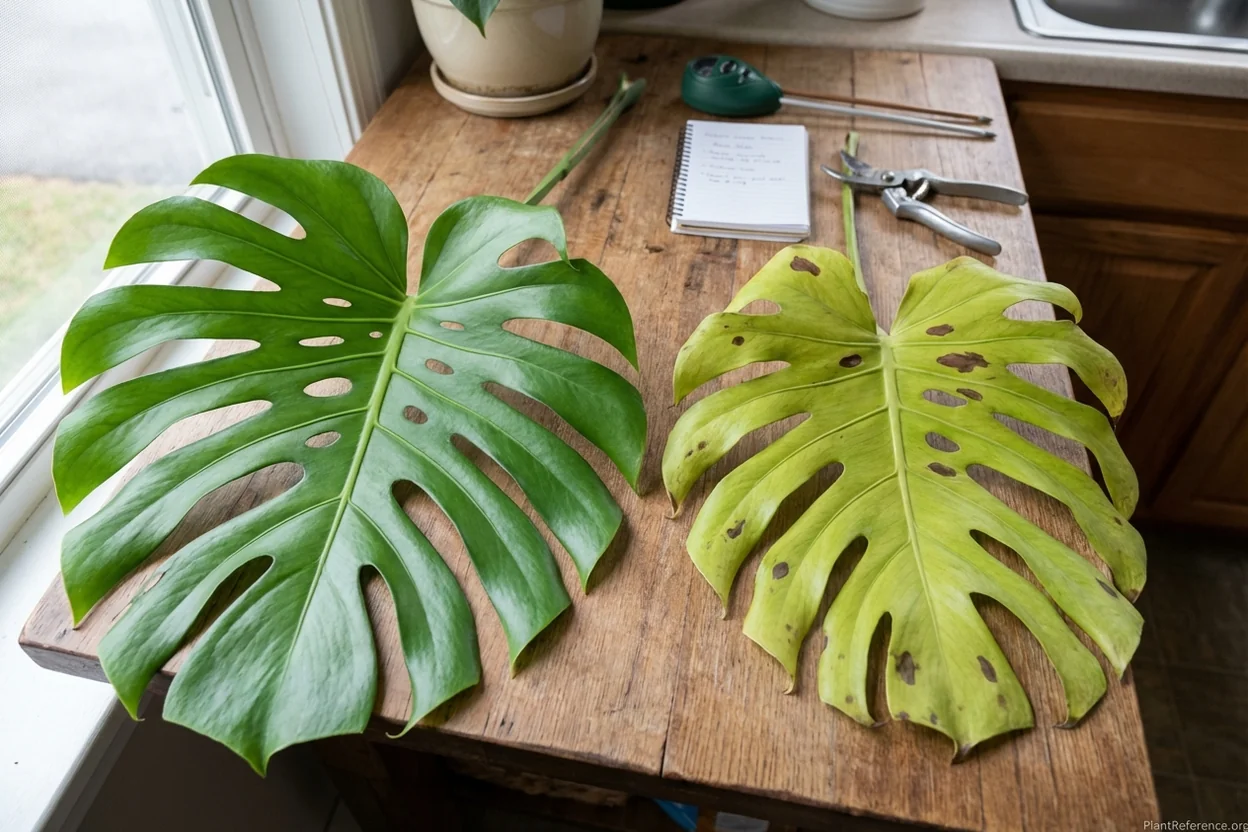
Overwatering (70% of cases): Lower leaves turn yellow first, soil stays wet for days, musty smell from pot, leaves may have brown spots
Underwatering (20% of cases): Multiple leaves yellow simultaneously, soil pulls away from pot edges, leaves feel thin and papery
Natural aging (10% of cases): Only the oldest, lowest leaves yellow while new growth appears healthy and vigorous
The diagnosis determines your treatment plan. Get this wrong and you'll waste time with ineffective solutions while your plant continues declining.
Overwatering: The #1 Culprit Behind Yellow Leaves
Overwatering kills more monsteras than any other issue, and yellow leaves are the first warning sign. Here's what's actually happening: waterlogged soil prevents roots from absorbing oxygen, causing them to suffocate and rot. The plant responds by dropping leaves to conserve energy.
Classic overwatering symptoms:
Lower leaves turn yellow first, progressing upward
Soil stays wet 5+ days after watering
Musty, sour smell from the pot
Brown or black spots on yellow leaves
Soft, mushy stems near soil line
White mold or fungus gnats around the pot
Immediate fixes for overwatering:
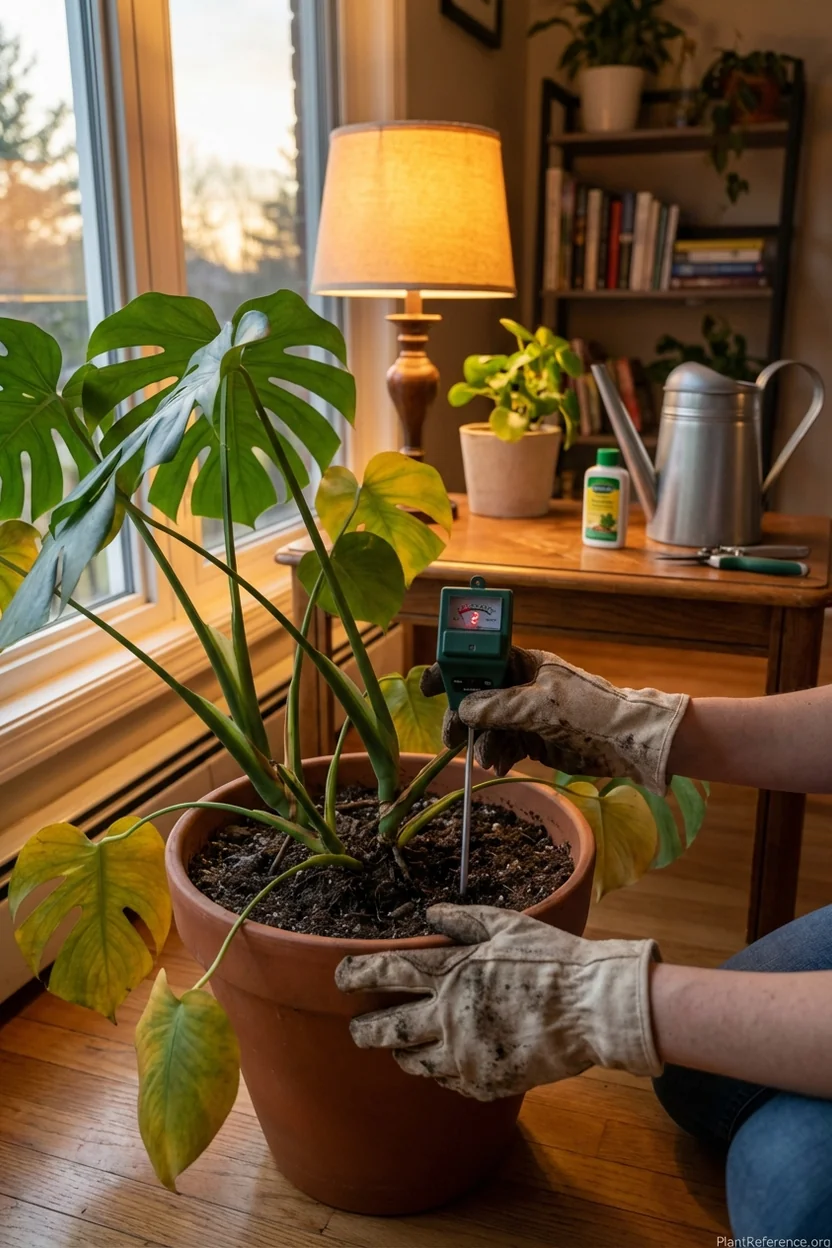
Stop watering immediately. Check soil moisture by sticking your finger 2-3 inches (5-7 cm) into the soil. If it's still wet, don't water. Period. Remove the plant from its decorative pot if it's sitting in standing water.
For severe cases, you may need to Monstera Root Rot: Emergency Rescue Guide|repot in fresh, dry soil. Check the roots—healthy roots are white or cream colored. Brown, mushy roots indicate root rot and need to be trimmed away with sterilized pruning shears.
→ XLUX Soil Moisture Meter ($10-15) - Eliminates watering guesswork with instant readings
Simple analog meter with 10-point color-coded scale requires no batteries and provides instant soil moisture readings. The 10-inch probe reaches deep into root zones for accurate measurements, preventing both overwatering and underwatering. Durable construction withstands repeated use across multiple plants. Essential tool for monstera care—insert probe 6-8 inches deep and water only when reading shows dry. Eliminates guesswork that leads to yellow leaves and root rot.
Underwatering vs Overwatering: How to Tell the Difference
This is where most people mess up the diagnosis. Both overwatering and underwatering cause yellow leaves, but the treatment is opposite. Get this wrong and you'll kill your plant faster.
Underwatering signs:
Multiple leaves yellow at once (not just lower ones)
Soil pulls away from pot edges when dry
Leaves feel thin, papery, and crispy
No brown spots on yellow leaves
Plant looks generally droopy and sad
Soil is bone dry 2+ inches (5 cm) down
Overwatering signs:
Lower leaves yellow first, progressing upward
Soil stays wet for days after watering
Yellow leaves often have brown or black spots
Musty smell from the pot
Soft, mushy stems or roots
Fungus gnats or mold present
The key difference: underwatered plants want water immediately, while overwatered plants need to dry out completely. When in doubt, check soil moisture with your finger or a moisture meter before making any watering decisions.
Natural Leaf Aging: When Yellow Leaves Are Normal
Not every yellow leaf is a crisis. Monsteras naturally shed their oldest leaves as they mature, especially when putting energy into new growth. This is completely normal and doesn't indicate any care problems.
Normal aging patterns:
Only the oldest, bottom leaves turn yellow
New growth appears healthy and vigorous
Yellowing happens slowly over 2-3 weeks
No brown spots or mushiness on yellow leaves
Rest of plant looks vibrant and healthy
Occurs most often during spring growth spurts
If your monstera is producing new leaves while dropping 1-2 old ones, this is natural turnover. Simply remove the yellow leaves and continue your normal care routine. Don't change watering or fertilizing schedules based on normal aging.
However, if you're losing more than 2-3 leaves per month, or if younger leaves are yellowing, you have a care issue that needs attention.
Nutrient Deficiency: The Hidden Cause of Yellowing
Nutrient deficiency causes yellow leaves in well-established monsteras that haven't been fertilized in months. Unlike watering issues, nutrient deficiency typically affects the entire plant gradually rather than starting with lower leaves.
Nutrient deficiency symptoms:
Uniform yellowing across multiple leaves
New growth smaller than usual
Pale green or yellow new leaves
No brown spots or mushiness
Plant appears generally weak and slow-growing
Occurs most often in spring when growth resumes
Quick nutrient deficiency fixes:
Start fertilizing immediately with a balanced liquid fertilizer. I recommend a 20-20-20 or similar balanced formula diluted to half strength. Feed monthly during spring and summer, then reduce to every 6-8 weeks in fall and winter.
Nitrogen deficiency specifically causes older leaves to yellow as the plant moves nitrogen to new growth. Potassium deficiency causes yellow edges on leaves. Iron deficiency causes yellow leaves with green veins (chlorosis).
→ Dyna-Gro Grow 9-3-6 ($13-18) - Professional liquid fertilizer for dramatic growth results
Professional-grade synthetic liquid fertilizer with complete macro and micronutrients specifically formulated for foliage plants. The 3-1-2 NPK ratio promotes healthy leaf development and prevents yellowing from nutrient deficiency. Contains essential elements including calcium, magnesium, and iron that prevent common deficiency symptoms. Can be used as both soil drench and foliar spray for faster nutrient uptake. Produces noticeable growth improvements within 2-3 weeks of regular use.
Product link unavailable
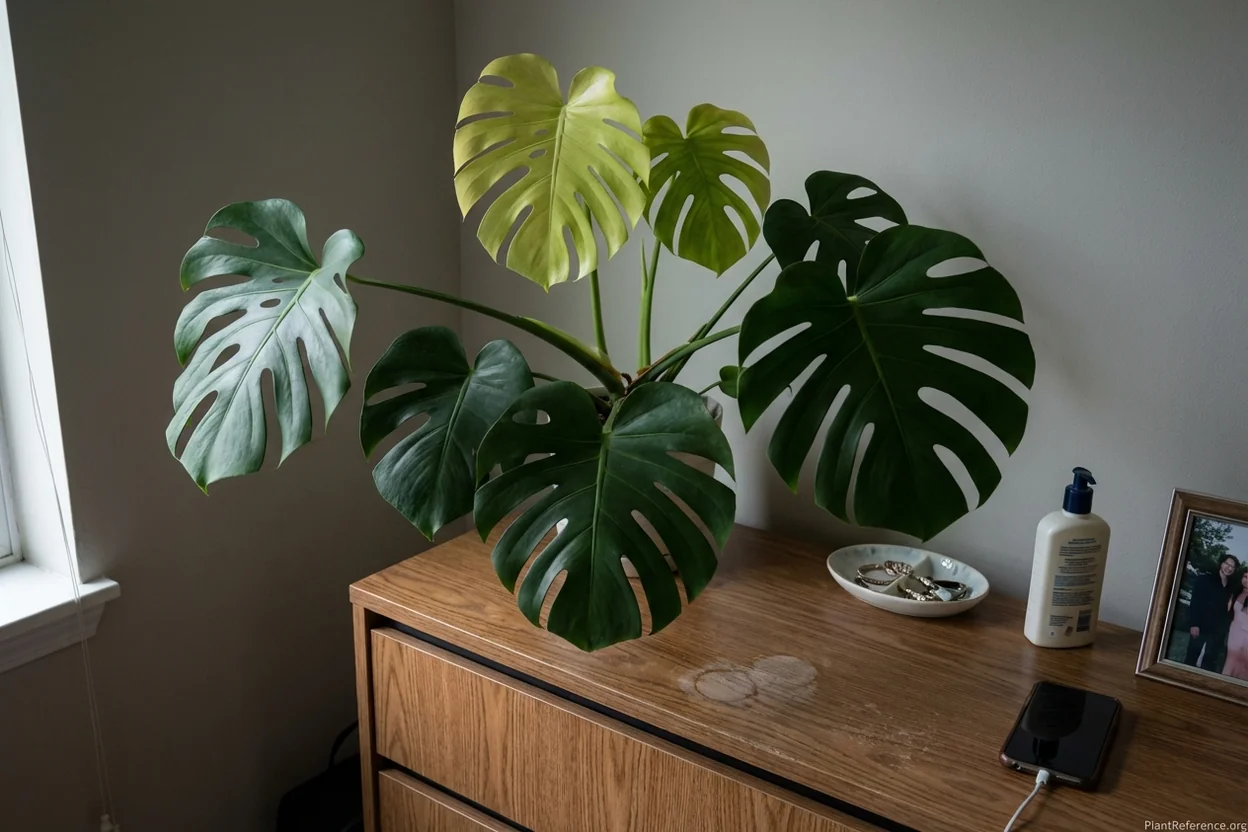
Root Rot: The Serious Consequence of Chronic Overwatering
Root rot is what happens when overwatering continues unchecked. The roots literally rot away, making it impossible for the plant to absorb water and nutrients. Yellow leaves are often the first visible symptom of this serious condition.
Root rot warning signs:
Multiple leaves turning yellow rapidly
Strong musty or rotten smell from the pot
Soft, mushy stems near the soil line
Plant seems to wilt despite wet soil
Brown or black roots when you check
White mold growing on soil surface
Emergency root rot treatment:
Remove the plant from its pot immediately. Rinse all soil from the roots and inspect them carefully. Healthy roots are white or cream colored and firm. Cut away any brown, black, or mushy roots with sterilized pruning shears.
If more than 50% of the root system is damaged, your plant's survival chances are low. If less than 50% is affected, repot in fresh, well-draining soil and stop watering until new growth appears.
For detailed root rot rescue protocols, see our complete Monstera Root Rot: Emergency Rescue Guide.
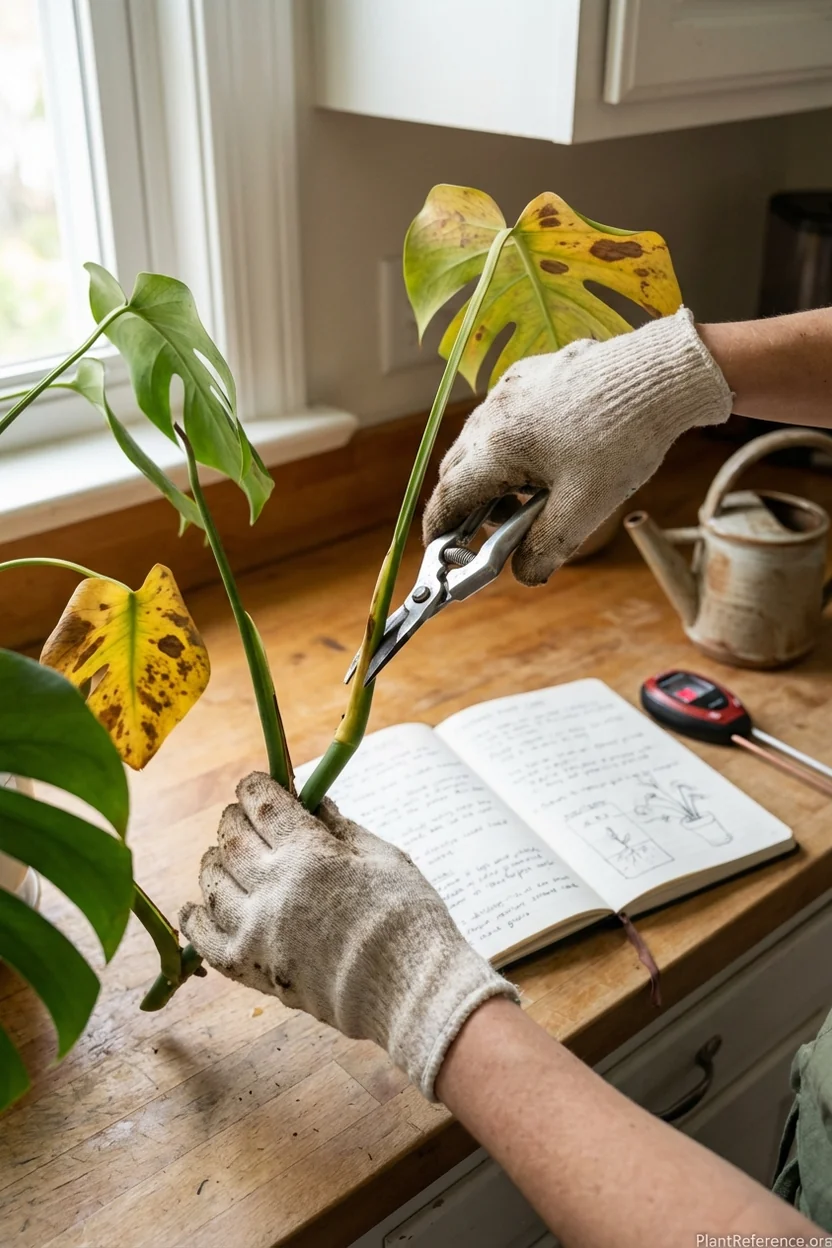
How to Remove Yellow Leaves Properly
Yellow leaves won't turn green again, so remove them promptly. Leaving yellow leaves on the plant wastes energy and can attract pests or encourage fungal problems.
Proper leaf removal technique:
Use clean, sharp pruning shears or scissors
Cut the leaf stem close to the main stem
Don't pull or twist leaves off (damages the plant)
Dispose of removed leaves in trash, not compost
Sterilize tools between cuts if disease is suspected
Cut yellow leaves in the morning when the plant is most hydrated. Make clean cuts to prevent tearing or damage to healthy tissue. Never remove more than 30% of the plant's foliage at once, even if many leaves are yellow.
Recovery Timeline: What to Expect After Treatment
Recovery speed depends on the underlying cause and how quickly you address it. Here's realistic timelines for different scenarios:
Overwatering recovery: 3-4 weeks for new growth to appear after you establish proper watering schedule. Existing yellow leaves won't recover, but new leaves should be healthy green.
Underwatering recovery: 1-2 weeks for plant to perk up with consistent watering. New growth typically appears within 3-4 weeks if no permanent root damage occurred.
Nutrient deficiency recovery: 2-3 weeks to see color improvement in new growth after starting fertilization program. Existing yellow leaves won't green up, but new leaves should be darker.
Root rot recovery: 6-8 weeks minimum if root system was salvageable. New growth may not appear for 2-3 months as the plant rebuilds its root system.
Don't expect overnight miracles. Monsteras are relatively slow-growing plants, and recovery takes patience. Focus on consistent proper care rather than trying to rush the process.
Prevention: Keeping Your Monstera Green and Healthy
Preventing yellow leaves is easier than treating them. Here's my proven prevention protocol that keeps monsteras healthy long-term:
Watering prevention strategy:
Check soil moisture before every watering session
Water only when top 2-3 inches (5-7 cm) are dry
Ensure pots have drainage holes and use well-draining soil
Empty saucers 30 minutes after watering
Reduce watering frequency in winter by 50%
Nutrition prevention strategy:
Fertilize monthly spring through summer with balanced fertilizer
Reduce to every 6-8 weeks in fall and winter
Use liquid fertilizer diluted to half strength
Skip fertilizing newly repotted plants for 6-8 weeks
Watch for pale new growth as early nutrient deficiency sign
Environmental prevention strategy:
Provide bright, indirect light near east or north windows
Maintain 40-60% humidity with humidifier if needed
Keep temperatures between 65-85°F (18-29°C)
Ensure good air circulation around the plant
Inspect monthly for early signs of problems
The key is consistency. Monsteras thrive on predictable care routines rather than sporadic attention. A simple weekly check of soil moisture and monthly fertilizing prevents 90% of the yellow leaf problems I see.
For comprehensive care guidance, see our complete Monstera Deliciosa Care: The Complete Guide (2025).
Frequently Asked Questions
Reading about plants and recognising them are different skills. These three build the second.
- Daily PlantIdentify the day’s mystery plant from a close-up photograph.
- Keyed OutWork a dichotomous key, lead by lead, to name a hidden specimen.
- Name That PlantName a specimen from botanical clues dealt hardest first.
Free to play, no account needed
TJ stumbled into plant parenthood when a coworker gave him a neglected pothos. That single plant sparked an obsession that led him to quit his corporate marketing job and start a plant care service for busy professionals in Chicago. TJ maintains over 150 plants for residential clients and runs monthly plant swap meetups at local coffee shops. He's self-taught through YouTube, plant forums, and plenty of expensive mistakes (RIP to his variegated monstera). TJ specializes in troubleshooting common houseplant problems and is known for his blunt, no-BS advice: "Your plant isn't dying because Mercury is in retrograde—you're overwatering it." He's particularly skilled with finicky tropical plants like fiddle leaf figs and calatheas.