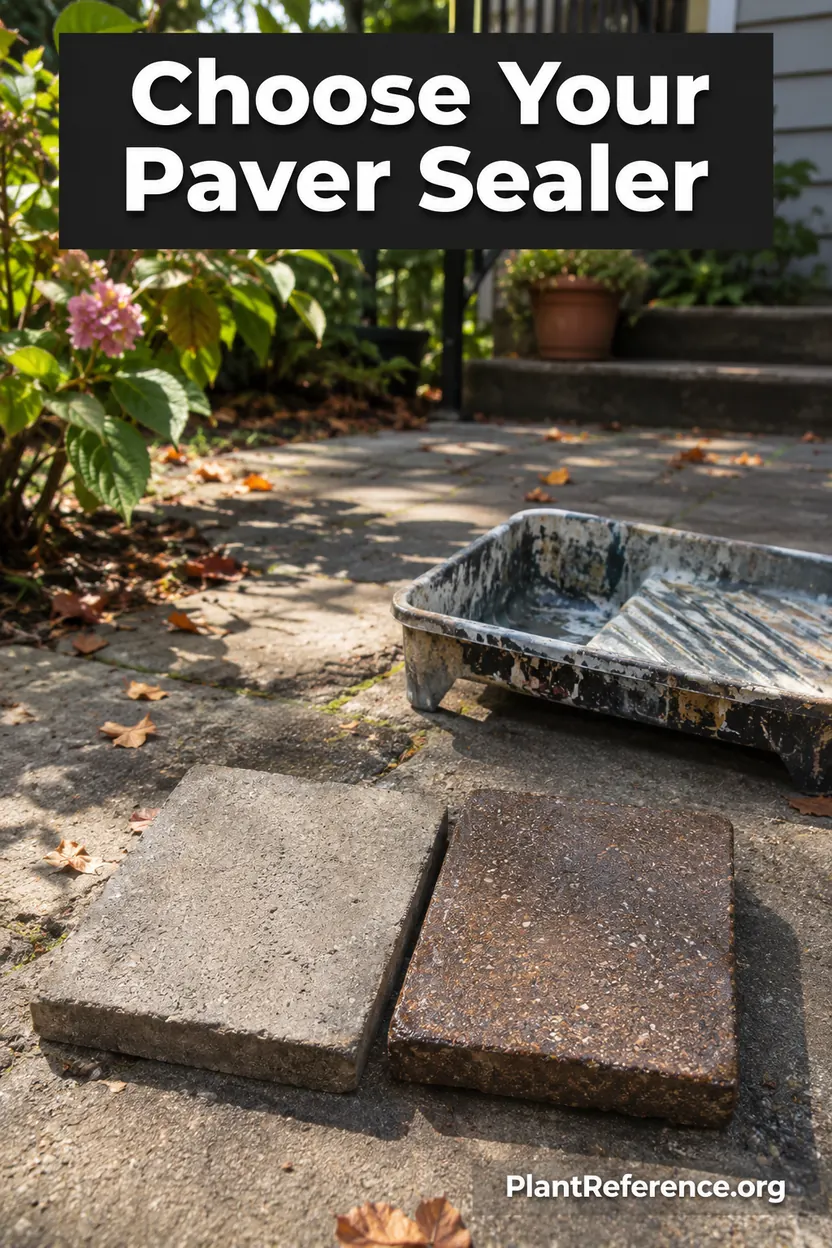
Best Paver Sealer: Wet Look, Matte & Penetrating Options
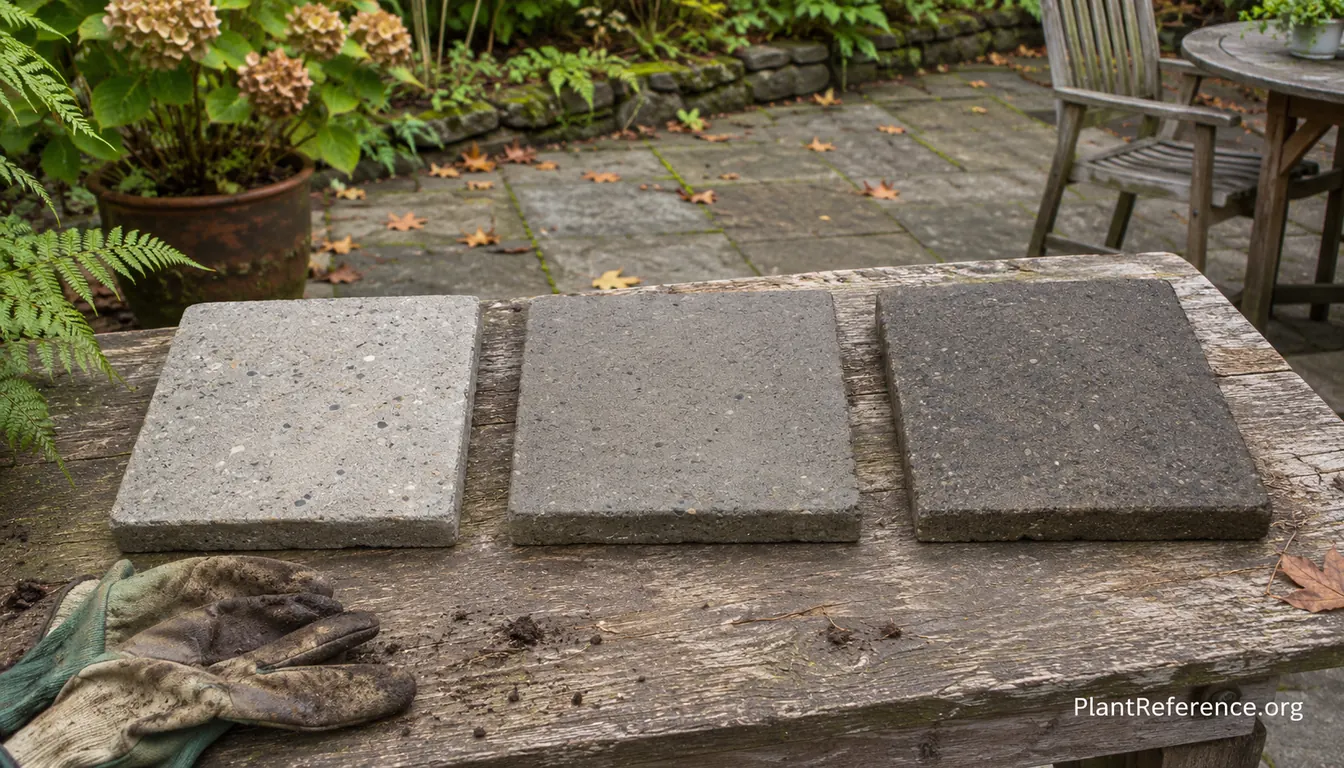
— Image © PlantReference.org 2026
The best paver sealer is the one that matches your paving material, exposure, and willingness to maintain the finish. For porous concrete paving where the natural appearance matters, start by comparing compatible penetrating water repellents; for richer color, consider a suitable film-forming finish only after checking wet traction and future recoating requirements.
Best Paver Sealer: Start With the Surface
A sealer is a finishing decision, not a repair system. It cannot rebuild a weak base, level a sunken corner, or give rainwater somewhere to go. Sort those problems out before deciding what belongs on top.
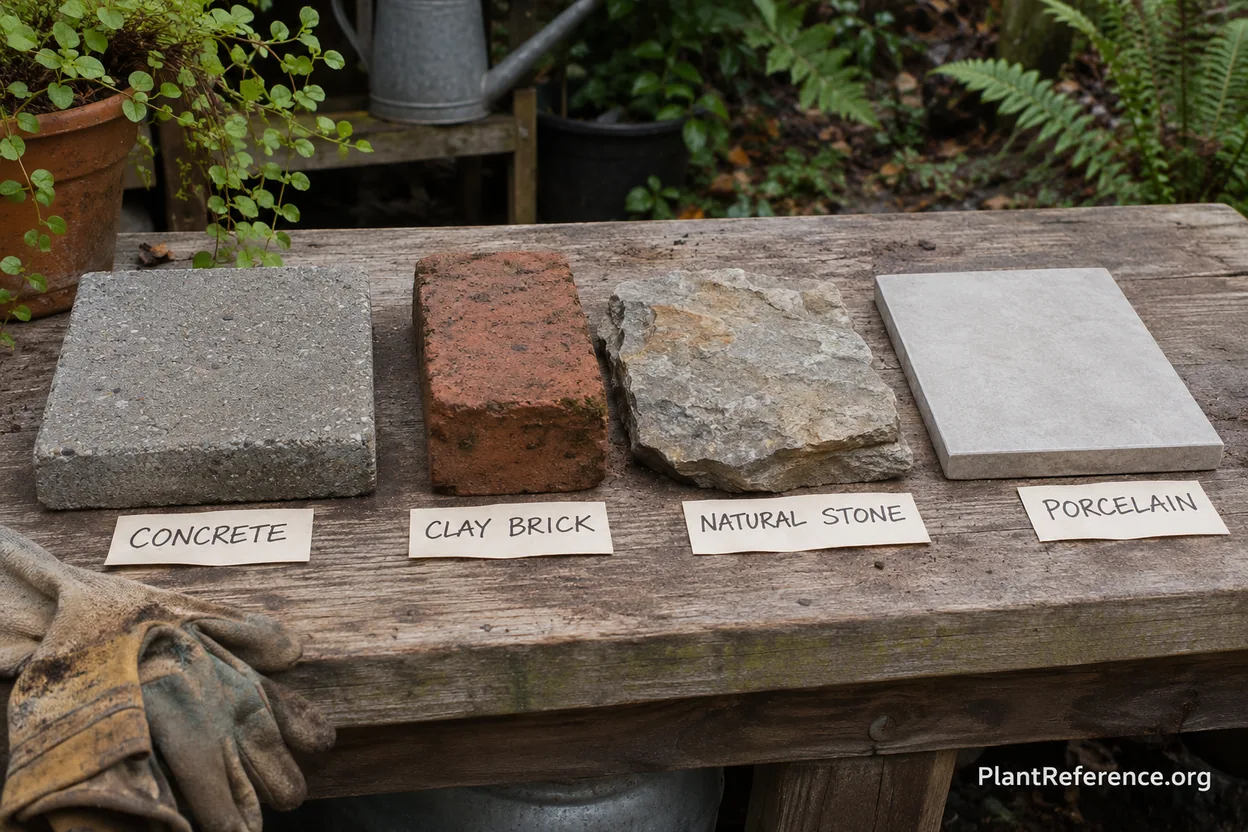
First identify the paving: concrete, clay brick, natural stone, or porcelain. Then check whether it already has a factory treatment or an older coating. Similar-looking surfaces can absorb liquids very differently, and a product suitable for one may leave residue or an unwanted film on another. Patio Materials Compared: Pavers, Stone, Concrete & More explains those material differences before you spend money on a finish.
Write down the actual goal: reduced water absorption, easier cleaning, darker color, or a particular sheen. Those are different requests.
When leaving paving unsealed makes sense
Low-absorption porcelain usually does not need a penetrating sealer on its face. Factory-treated paving may also need a different maintenance approach from untreated concrete. Follow the paving manufacturer's requirements instead of assuming that every new patio needs a protective coat.
Permeable paving deserves its own check. Its joints and underlying stone are part of a drainage system, not empty spaces to fill with whatever coating remains in the tray. Use only treatments approved for that assembly, and preserve the infiltration path described in Permeable Pavers: Stormwater Guide for Homeowners.
Compare Penetrating, Matte, and Wet-Look Options
The useful comparison is what the treatment does, then what it looks like. Penetrating describes how a treatment works within a compatible porous surface. Matte describes low sheen. Wet look describes color enhancement, often with a surface finish. These labels overlap rather than forming three perfectly separate chemical families.
Option | Strongest reason to consider it | Main tradeoff | Check before choosing |
|---|---|---|---|
Penetrating silane/siloxane water repellent | Water repellency with little intended appearance change | Does not automatically provide oil resistance or color enhancement | Listed substrate and absorption requirements |
Matte decorative finish | Low-sheen appearance on compatible paving | Matte alone says little about film formation or maintenance | Chemistry, wet traction, and recoating instructions |
Wet-look acrylic finish | Richer color and a deliberate decorative effect | Surface film can wear and become slippery when wet | Exterior paving approval and approved traction measures |
No additional sealer | Avoiding an unnecessary maintenance layer | No added treatment for a specific stain or water concern | Paver manufacturer's care guidance |
Penetrating protection: the practical starting point
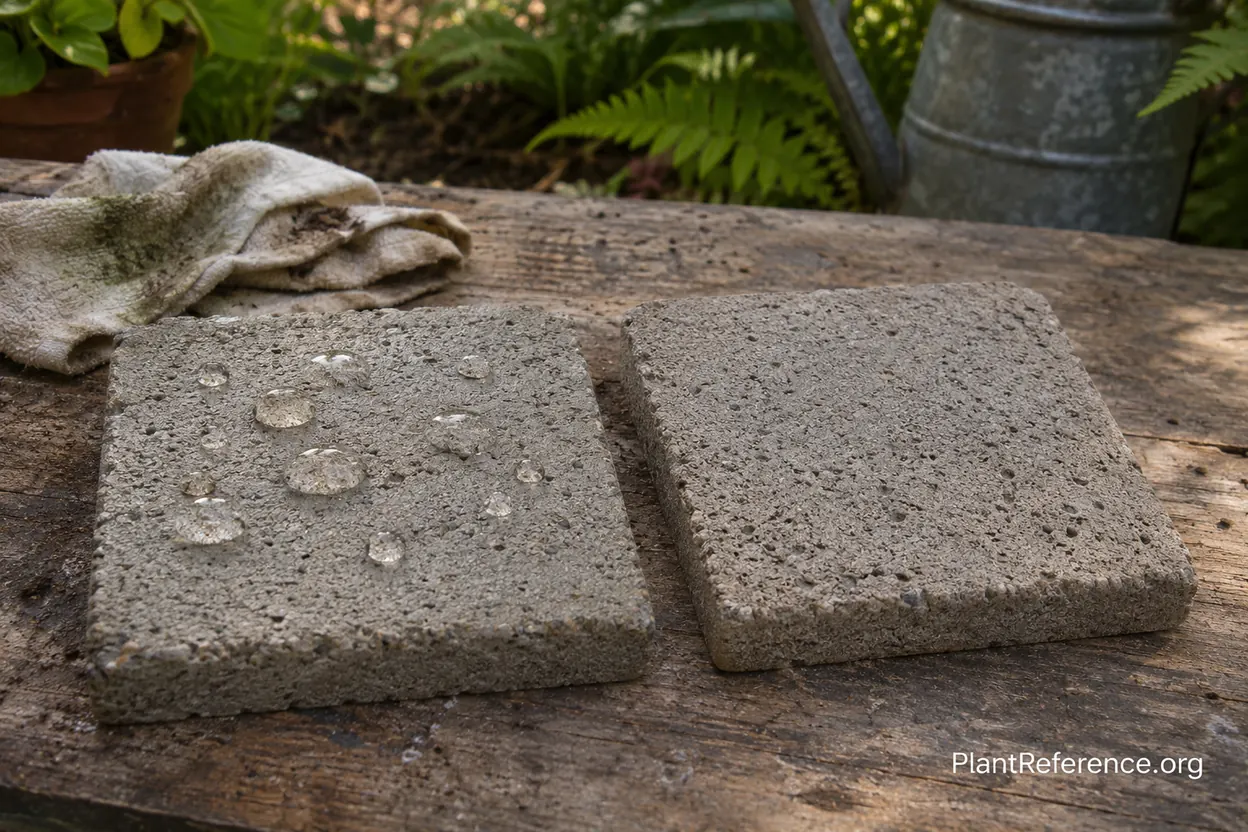
Silane/siloxane treatments enter suitable porous mineral surfaces and reduce water uptake without relying on a visible decorative film. That makes the category worth investigating for exposed concrete paving where preserving the existing look matters more than making the color darker.
Water repellency is not the same as waterproofing the patio assembly. Water can still reach the base through joints and edges, and persistent moisture problems still need drainage work. Nor should you assume a water repellent prevents cooking oil stains. Match the stated protection to the spill or exposure you actually want to address.
Decorative finishes: choose with your eyes open
A wet-look acrylic can deepen color and give a patio a more deliberate finished appearance. The cost is not just the first application: traffic wears surface films, and uneven wear can make future maintenance more visible than it would be on untreated paving.
Matte does not promise breathability or grip. Read the technical information and compare a cured sample in both sun and shade.
Best Paver Sealer for Your Exposure
Start with the toughest condition the surface faces. A covered dining patio, a shaded walkway, and a driveway do not ask the same things of a finish. The driveway also needs a treatment approved for its traffic, not simply the leftover product from the patio.
In a freeze-thaw climate, reducing water uptake can be useful on compatible porous paving, but it does not replace suitable paving units or a well-drained base. A coating cannot turn an unsuitable material into a durable winter surface. Compare the full assembly in Driveway Materials Compared: Costs and Lifespans before treating a finish as the main durability investment.
Wet feet, shade, and slippery surfaces
Treat traction as a selection criterion, particularly on steps, sloped walks, and pool surrounds. Film-forming products can change wet slip behavior. Ask whether the proposed system is suitable for the location and whether the manufacturer specifies a compatible traction additive; do not improvise by mixing random sand into the can.
Shade introduces another problem: biological growth. Sealing over moss or a dirty surface does not remove the conditions that allowed growth. Resolve the cleaning issue first, with material-compatible methods such as those discussed in Best Moss Killers for Roofs, Patios and Walkways. Keep cleaning chemicals and treatment residues out of nearby planting beds.
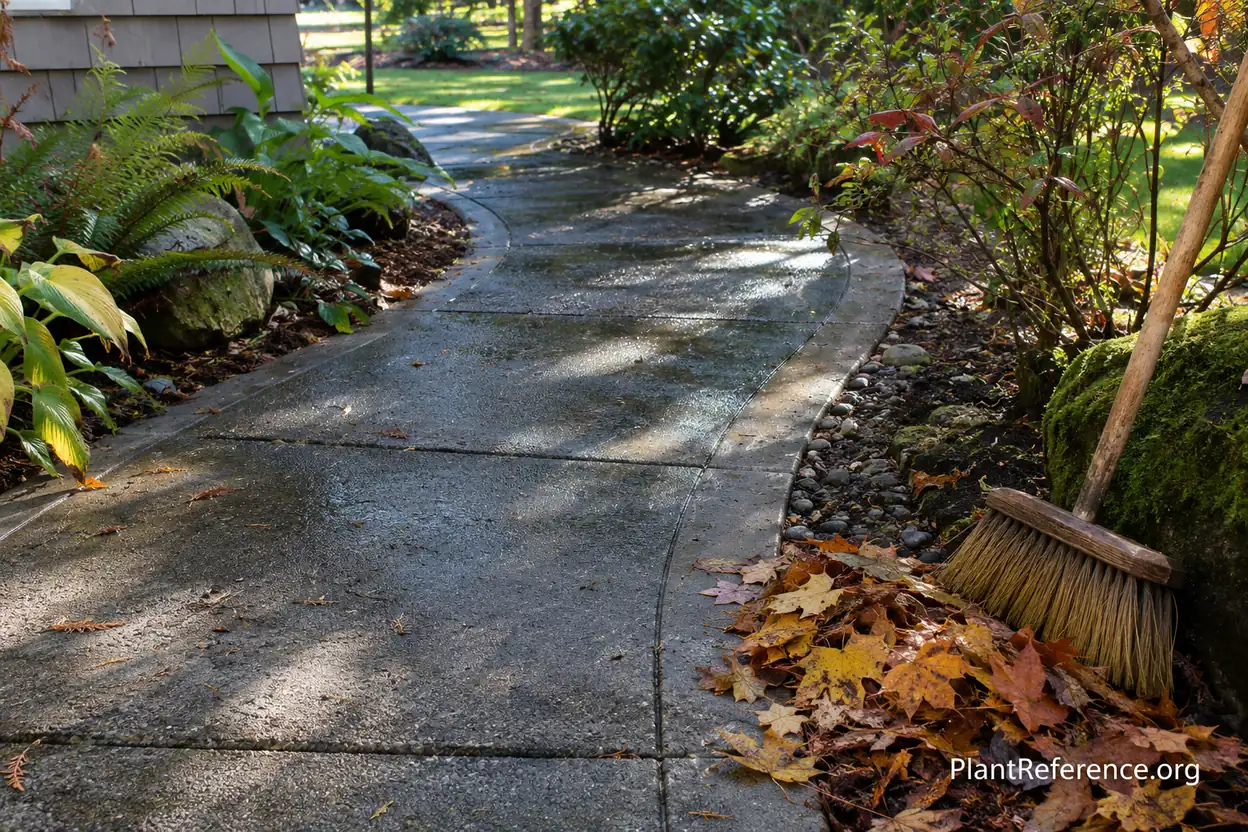
Persistent dampness needs a different purchase
If one corner stays wet long after the rest dries, investigate water movement before coating it. Runoff, a low spot, or poorly draining soil may be the real issue. Fix PNW Garden Drainage: Glacial Till, Hardpan & Raised Beds offers useful context for wet sites, while Soil Types by Region: Diagnose and Fix Your Garden Soil helps explain why adjoining ground behaves differently.
Do not extend a patio treatment onto retaining wall faces just because the materials look alike. Walls have their own moisture paths and finish requirements; consult Retaining Wall Materials Guide: Blocks, Stone, Timber & More before treating those surfaces as one project.
Compare Coverage and Long-Term Maintenance
The cheapest container is not necessarily the cheapest finished job. Coverage depends on the product, surface porosity, application method, and required number of coats. Compare the amount needed for the complete specified treatment, not the largest coverage number on a sales label.
For a patio measuring 300 square feet (28 square meters), use the manufacturer's coverage range for your substrate. Confirm whether it describes one coat or the finished system.
Include the next maintenance cycle
Ask whether the system can be cleaned and recoated or needs removal when damaged. Keep the label, application date, batch information, and test-area photo with your house records.
Avoid treating a calendar interval as an instruction to add another coat regardless of condition. Exposure, traffic, and product chemistry differ. Inspect the surface and follow the manufacturer's maintenance criteria. Piling fresh film onto a problem coating can turn a modest maintenance job into a stripping project.
Budget for preparation, compatible cleaning materials, application tools, protective equipment, and blocked access during curing. Those costs remain even if the liquid itself looks inexpensive. Around garden beds, careful containment also protects the living soil discussed in Soil Health 101: How to Build Living, Productive Garden Soil.
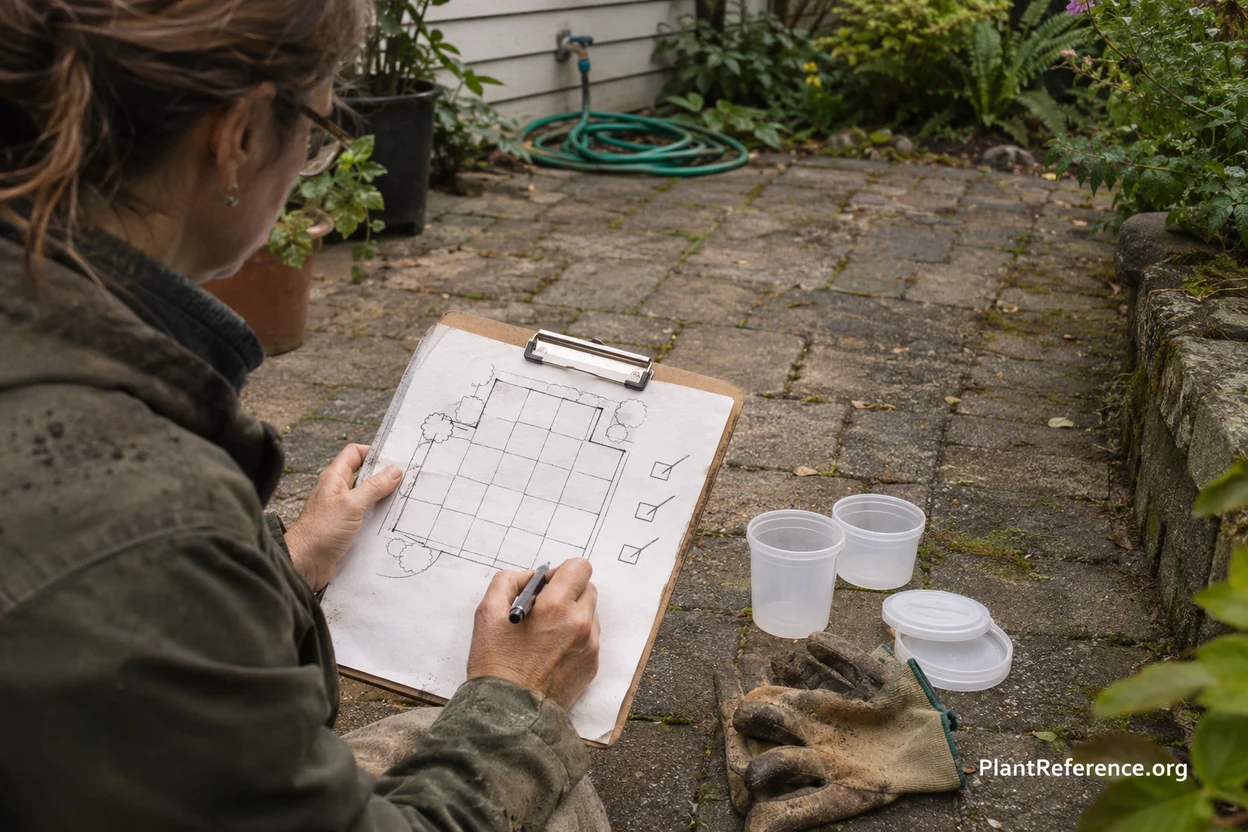
Prepare a Test Area Before Committing
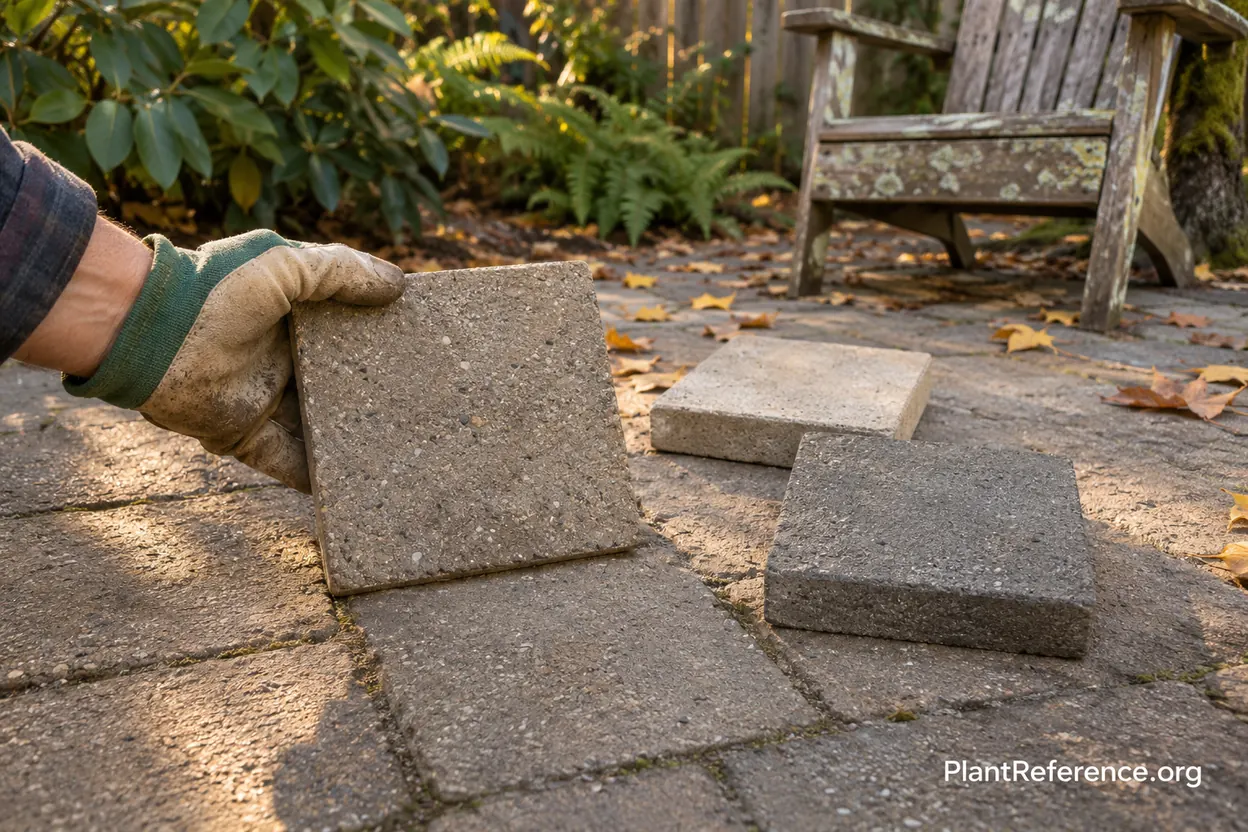
A small test saves a large amount of regret. Use an inconspicuous installed area or representative spare pavers, following the exact cleaning, drying, application, and curing instructions. A spare sample helps with appearance; an installed test also reveals how the treatment interacts with the actual surface condition.
Check these points before opening enough material for the whole patio:
Confirm the substrate and any previous treatment are compatible.
Remove dirt and address existing stains before sealing.
Investigate recurring white deposits rather than hiding them under a film.
Check the required surface moisture condition and weather window.
Keep people, pets, and vehicles off the area for the specified curing period.
Assess the fully cured result, including its suitability for wet use.
Do not rush the weather window
Air temperature alone does not describe application conditions. Surface temperature, sun exposure, dew, recent rain, and expected rain all matter. Follow the product's limits instead of borrowing a waiting period from another brand or a different chemistry.
Wear the protection specified on the label and safety data sheet, and control overspray. Protect nearby plants, doors, glass, and adjacent finishes as directed. Keep containers secured and dispose of waste according to the product instructions; a garden drain is not a disposal route.
Make the Final Selection
For natural-looking porous paving, shortlist approved penetrating water repellents first. For a darker decorative appearance, shortlist compatible wet-look systems and evaluate their wet traction and renewal requirements. If you want matte, insist on knowing whether the proposed treatment forms a film rather than relying on the sheen description alone.
Choose no additional sealer when paving does not need one or compatibility is uncertain. A finish should support durability without creating unwanted maintenance.
Frequently Asked Questions
Reading about plants and recognising them are different skills. These three build the second.
- Daily PlantIdentify the day’s mystery plant from a close-up photograph.
- Keyed OutWork a dichotomous key, lead by lead, to name a hidden specimen.
- Name That PlantName a specimen from botanical clues dealt hardest first.
Free to play, no account needed
Tagged with
Mike's been designing residential landscapes in the Seattle area, with a particular focus on Pacific Northwest natives and sustainable practices. He's a Washington State Master Gardener and worked in construction before landscaping, which gives him a practical edge when it comes to building raised beds and hardscaping projects. He runs a small side business propagating and selling unusual perennials at farmers markets on weekends. His property serves as a testing ground for low-maintenance, wildlife-friendly garden designs. Mike's philosophy: if it requires weekly maintenance, it's not sustainable.