Xyris, Genus, spp., Multiple species,
- Genus
- Multiple species
yellow-eyed grasses
Worldwide tropics to warm temperate; diverse in southeastern USA and South America
Overview
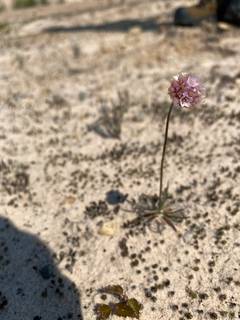
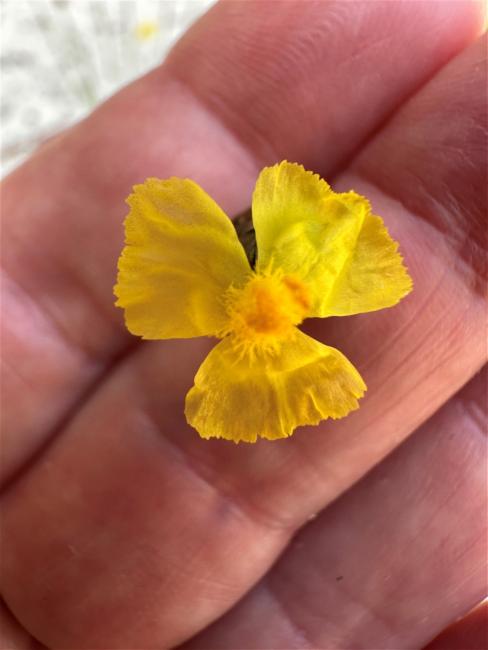
Xyris is a genus of roughly 250–400 grass-like perennial and annual herbs in the family Xyridaceae, distributed through wetlands of tropical, subtropical, and warm-temperate regions worldwide, with strong representation in the southeastern United States and South America. Plants form tufts of narrow, linear leaves 2–24 in (5–60 cm) long that are flattened, twisted, or cylindrical depending on species, rising from a short base that is often bulb-like or fan-shaped. Leafless flowering stalks, called scapes, extend above the foliage and end in a tight, cone-like head of overlapping brown bracts. From this head, three-petalled yellow flowers 0.2–0.6 in (5–15 mm) across open a few at a time, usually for only part of a single day. The common name yellow-eyed grass refers to these flowers, though the plants are not true grasses. Most species grow in seasonally wet, acidic, nutrient-poor ground such as bogs, pine flatwoods, wet savannas, pond margins, and seepage slopes, in full sun. The genus ranges from compact annuals a few inches tall to perennials reaching 3 ft (90 cm) or more in flower.
Native Range
Xyris occurs on every continent except Antarctica, concentrated in the tropics and subtropics, with major centres of diversity in the southeastern United States, the Guayana Highlands, and the Brazilian campos. The plants grow in acidic wetlands including bogs, wet pine savannas, pond shores, and seepage areas.Suggested Uses
Xyris is grown in bog gardens, the wet margins of ponds, and container bog setups alongside pitcher plants, sundews, and other acid-loving wetland species. The grassy clumps and yellow flower heads suit naturalistic plantings in consistently wet, sunny sites. The genus is mainly cultivated by carnivorous-plant and native-wetland growers rather than in general borders.How to Identify
Appearance
Size & Dimensions
Height2" - 3'
Width/Spread2" - 1'
Bloom Information
Flowering occurs mainly from late spring through autumn, with peak bloom in summer in temperate parts of the range and year-round flowering in the tropics. Individual yellow flowers are short-lived, often opening for only a few hours in the morning or afternoon before fading. The cone-like heads continue producing new flowers over several weeks.
Detailed Descriptions
Foliage Description
green to grey-greenGrowing Conditions
Sun Requirements
Requires 6-12 hours of direct sunlight daily
• Full Sun: 6+ hours of direct sunlight
• Partial Shade: 3-6 hours of direct sunlight
• Full Shade: Less than 3 hours of direct sunlight
Water & Climate
Water Needs
Care & Maintenance
Care Guide
Xyris needs constantly moist to wet, acidic, low-nutrient soil in full sun, reflecting the bog and wet-savanna habitats of the genus. Sand or peat-based media that stay saturated suit most species, and standing water at the roots is tolerated by many. The plants decline in rich, fertile, or alkaline soil and in shade. Perennial species form expanding clumps, while annual species rely on reseeding to persist. Propagation is by seed sown on a damp, acidic surface or by division of established clumps. Most species are frost-hardy only in the warmer parts of their range and behave as tender plants in cold-winter climates.Pruning
Routine pruning is not required. Spent flowering scapes and dead foliage are cut or pulled away at the end of the growing season to keep clumps tidy. In bog gardens the old growth is often left in place to protect the crown over winter.Pruning Schedule
Prune: November
fall
Container Growing
Suitable for container growing
Minimum container size: 1 gallons