Image 1 of 12
1 / 12
Plant Reference
Armeria, Genus, maritima, Species,
- Genus & species
sea thift
Europe (Atlantic coast, Mediterranean), North America (arctic and alpine regions); coastal cliffs, salt marshes, and alpine tundra
Overview
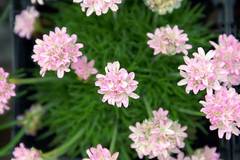
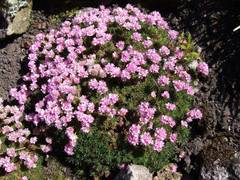
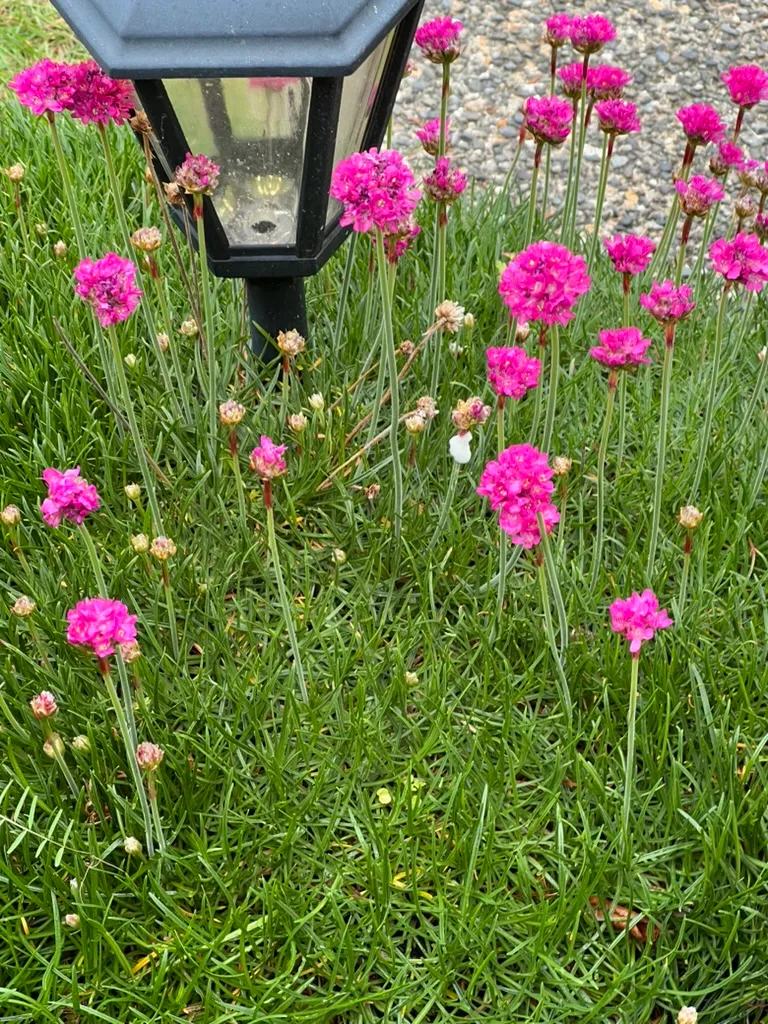
Armeria maritima is sea thrift (sea pink), a compact mounding evergreen perennial growing 6-12 inches (15-30 cm) tall (in bloom) and 9-15 inches (23-38 cm) wide. Pink globular flower heads 0.75-1 inch (2-2.5 cm) on slender leafless stalks 6-12 inches (15-30 cm) above the foliage in April-June (10 weeks with deadheading). Dark green narrow linear grass-like leaves forming a tight evergreen basal cushion. Cultivars in white ('Alba') and deep red ('Splendens'). In Plumbaginaceae. Maritima = of the sea. Native to European Atlantic coasts, the Mediterranean, and North American arctic and alpine regions. Adapted to poor soil, salt spray, and wind exposure. Requires sharp drainage — crown rot in wet winter soil or heavy clay. This wet-soil sensitivity is the primary limitation. Rich soil or overwatering causes loose floppy growth and reduces bloom. The tight cushion form may die out in the center on older plants — divide every 3-4 years. Deer-resistant. Drought-tolerant once established. Non-toxic. Zones 4-8. Full sun. Growth rate is slow.
Native Range
Native to Europe (Atlantic coast, Mediterranean) and North America (arctic and alpine regions). Found on coastal cliffs, salt marshes, and alpine tundra.Suggested Uses
Grown in rock gardens, coastal gardens, gravel gardens, wall crevices, and in containers of at least 1 gallon (3.8 L), spaced 9-15 inches (23-38 cm). Salt-tolerant. Sharp drainage. Poor lean soil. Evergreen cushion. Non-toxic. Native to North America and Europe. Zones 4-8.How to Identify
Appearance
Size & Dimensions
Height6" - 1'
Width/Spread9" - 1'3"
Bloom Information
Mid spring to early summer (April-June). Pink (or cultivar colors) globular flower heads 0.75-1 inch (2-2.5 cm) on slender stalks. 10 weeks with deadheading. Bee- and butterfly-visited.
Detailed Descriptions
Flower Description
Pink (species type; also white and deep red cultivars), in globular (ball-shaped) flower heads 0.75-1 inch (2-2.5 cm) in diameter on slender leafless stalks 6-12 inches (15-30 cm) above the foliageFoliage Description
Dark green, narrow, linear, grass-like, 2-4 inches (5-10 cm) long, forming a tight evergreen basal cushionGrowing Conditions
Sun Requirements
Requires 6-12 hours of direct sunlight daily
• Full Sun: 6+ hours of direct sunlight
• Partial Shade: 3-6 hours of direct sunlight
• Full Shade: Less than 3 hours of direct sunlight
Care & Maintenance
Care Guide
Full sun (6+ hours). Well-drained to sandy soil pH 6.0-7.5 — sharp drainage required (crown rot in wet soil). Do not enrich soil (causes loose floppy growth). Drought-tolerant once established. Salt-tolerant. Deadhead for extended bloom. Divide every 3-4 years. Deer-resistant. Non-toxic. Zones 4-8.Pruning
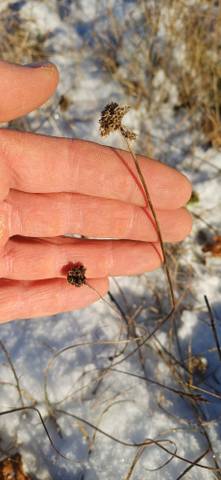
Deadhead spent flower stalks to the base of the cushion for continued bloom. Remove dead or brown foliage from the evergreen cushion in early spring (March). Divide every 3-4 years when the center dies out.Pruning Schedule
Prune: March & May–June
early springlate spring
Container Growing
Suitable for container growing
Minimum container size: 1 gallons