Armeria, Genus, spp., Multiple species,
- Genus
- Multiple species
thrift
Northern Hemisphere coastal and alpine
Overview
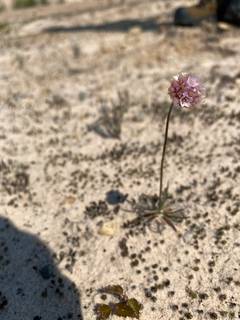
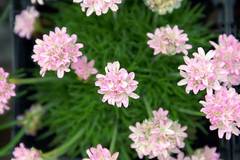
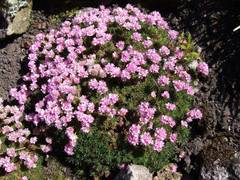
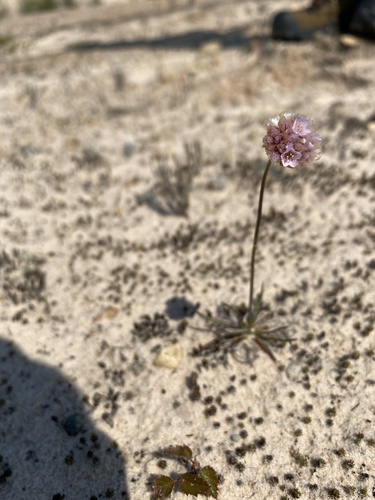
Armeria is a genus of about 100 species of evergreen perennials in the leadwort family, native to the Northern Hemisphere and southern South America, with many species on coastal cliffs, salt marshes, and mountain grasslands of Europe and the Mediterranean. Plants form dense, grassy tufts or cushions 2-12 in (5-30 cm) tall and 6-18 in (15-45 cm) wide, built from narrow, linear, often leathery basal leaves. In late spring and summer, slender bare stalks 4-16 in (10-40 cm) tall rise above the foliage, each topped by a tight, globe-shaped head of small papery flowers 0.5-1.5 in (1-4 cm) across in pink, rose, red, or white, surrounded by a papery collar. Sea thrift, A. maritima, is a commonly grown species and tolerates salt spray and poor, sandy ground. The genus needs full sun and sharp drainage, and tolerates drought, wind, and coastal exposure once established. Plants are short-lived where soil stays wet or rich, and the centres of old clumps can die out. Bloom is heaviest in early summer, with scattered later flushes.
Native Range
Native across the Northern Hemisphere, with the greatest concentration in Europe and the Mediterranean, and a few species in the Andes of South America. Many grow on sea cliffs, dunes, and salt marshes, while others occupy alpine and subalpine grassland.Suggested Uses
Used as edging, in rock gardens, gravel gardens, troughs, and coastal plantings, spaced 8-12 in (20-30 cm) apart. The compact tufts suit the front of borders and cracks in paving and walls.How to Identify
Appearance
Size & Dimensions
Height6" - 1'4"
Width/Spread6" - 1'6"
Bloom Information
Flowering peaks in late spring and early summer, generally May to July, with lighter rebloom into late summer in cool conditions. Each globe-shaped head lasts two to three weeks, and the dried heads persist afterward. Removing spent stalks extends the display.
Detailed Descriptions
Flower Description
Pink, rose, red, or whiteFoliage Description
Green, grass-likeGrowing Conditions
Sun Requirements
Requires 6-12 hours of direct sunlight daily
• Full Sun: 6+ hours of direct sunlight
• Partial Shade: 3-6 hours of direct sunlight
• Full Shade: Less than 3 hours of direct sunlight
Care & Maintenance
Care Guide
Grow in full sun in poor to average, sandy or gritty, sharply drained soil; rich or wet ground shortens the plant life and rots the crown. Water occasionally until established, after which the genus tolerates drought, salt, and wind. Most species suit exposed coastal and rock garden sites and dislike summer humidity and shade. The centres of old cushions tend to die out, so plants are divided or replaced every few years. Hardiness spans USDA zones 3-9 depending on species. Heavy feeding produces lax, floppy growth and is unnecessary.Pruning
Shear off faded flower stalks at the base after each flush to encourage rebloom and keep the cushion neat. Divide clumps in spring or autumn when the centres begin to die out. Trim away dead patches and topdress with grit.Pruning Schedule
Prune: July–August
summer
Container Growing
Suitable for container growing
Minimum container size: 1 gallons