Image 1 of 25
Plant Reference
1 / 25
Paeonia, Genus, (Tree, Species, Peonies), Subspecies,
- Genus & species
- Subspecies
tree peony
Herbaceous peonies ({P. lactiflora}): native to Siberia and northern China. Tree peonies ({P. suffruticosa}): native to western China, cultivated in China and Japan for over 1,000 years. Intersectional (Itoh) peonies: hybrids of Japanese garden origin, 1940s
Overview
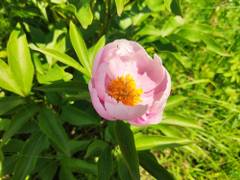
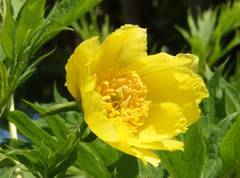
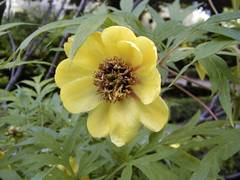
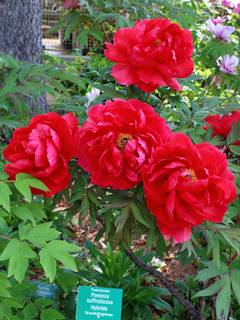
Paeonia spp. is peony (tree peony), a deciduous perennial or sub-shrub growing 2-7 feet (60-210 cm) tall and 2-5 feet (60-150 cm) wide. Large flowers 4-12 inches (10-30 cm) in white, cream, yellow, pink, rose, coral, red, and bicolor — single, semi-double, or double forms — in April-June. Strongly fragrant (many cultivars). Three main types: herbaceous peonies (P. lactiflora hybrids — die to ground in fall), tree peonies (P. suffruticosa — permanent woody stems), and intersectional Itoh peonies (herbaceous × tree hybrids). In Paeoniaceae. Herbaceous peonies require 500+ chill hours. Double-flowered cultivars are heavy when wet — flower heads bend to ground after rain without support. This need for staking is the primary maintenance limitation for double cultivars. Herbaceous types must be planted with crown buds no deeper than 2 inches (5 cm). Botrytis blight causes stem rot in wet springs. Long-lived (50+ years). Toxic to pets. Zones 3-8. Full sun to partial shade. Growth rate is slow.
Native Range
Herbaceous peonies (P. lactiflora): native to Siberia and northern China. Tree peonies (P. suffruticosa): native to western China. Intersectional (Itoh) peonies: hybrids of Japanese garden origin.Suggested Uses
Grown as a specimen perennial, border plant, and cut flower, spaced 2-5 feet (60-150 cm) depending on type. Long-lived (50+ years). Fragrant. Support double cultivars. Herbaceous, tree, and Itoh types for different habits. Toxic to pets. Zones 3-8.How to Identify
Appearance
Size & Dimensions
Height2' - 7'
Width/Spread2' - 5'
Bloom Information
Late spring (April-June). Large flowers 4-12 inches (10-30 cm) in white, cream, yellow, pink, rose, coral, red, or bicolor. Single, semi-double, or double. Strongly fragrant (many cultivars). 3 weeks of bloom. Bee-pollinated. Ants feed on bud nectar (harmless).
Detailed Descriptions
Flower Description
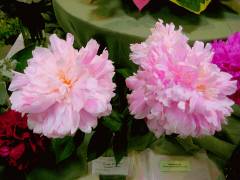
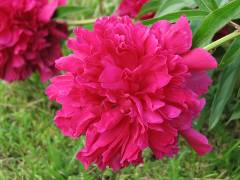
Large, 4-12 inches (10-30 cm) across; white, cream, yellow, pink, rose, coral, red, and bicolor depending on cultivar; single, semi-double, or double formsFoliage Description
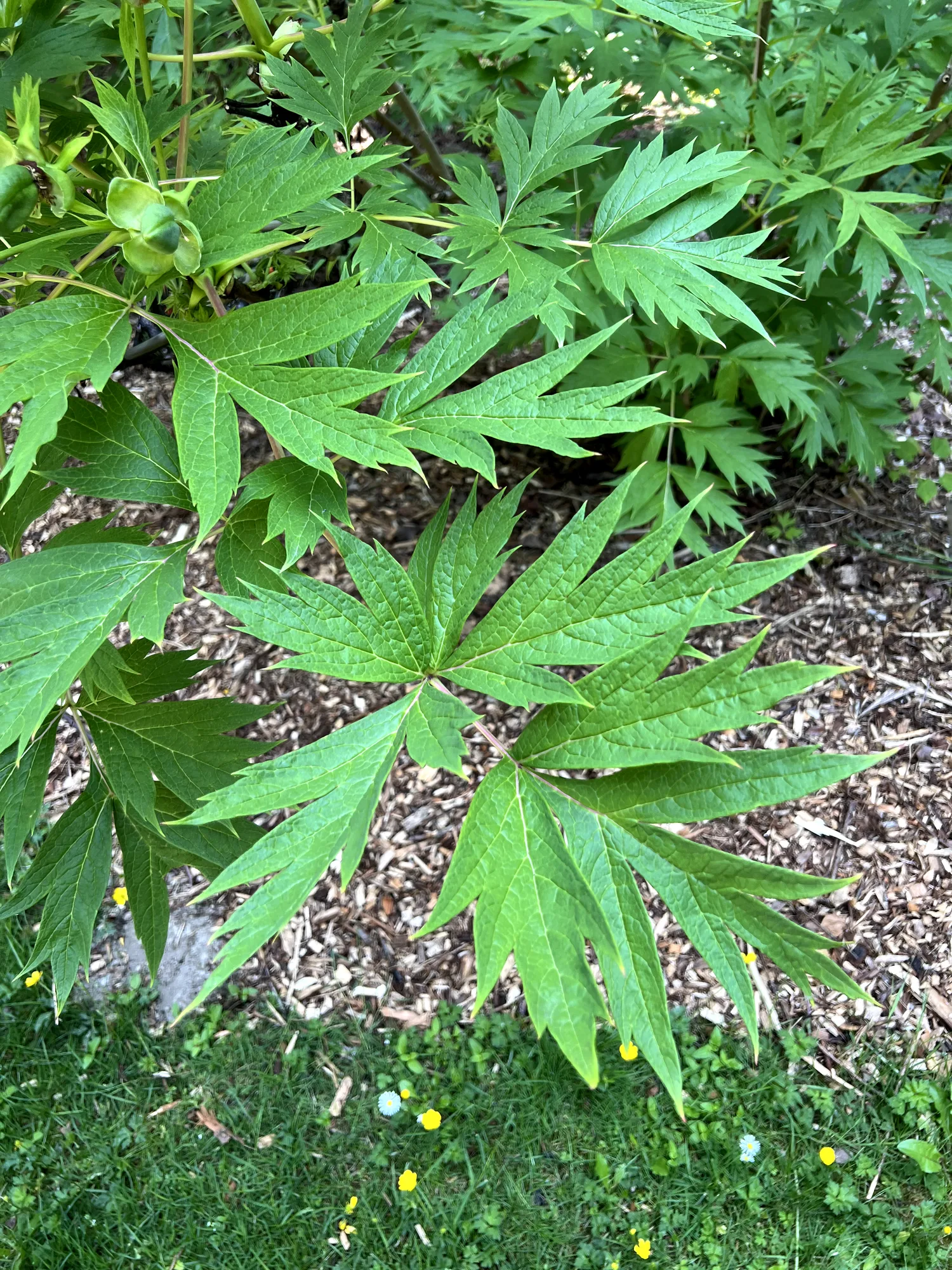
Medium to dark green; herbaceous types: deeply divided compound-pinnate with 9-15 elliptic leaflets; tree peonies: deeply lobed blue-green compound leaves; Itoh peonies: intermediateGrowing Conditions
Sun Requirements
Requires 5-10 hours of direct sunlight daily
• Full Sun: 6+ hours of direct sunlight
• Partial Shade: 3-6 hours of direct sunlight
• Full Shade: Less than 3 hours of direct sunlight
Care & Maintenance
Care Guide
Full sun to partial shade (5-10 hours). Well-drained soil pH 6.0-7.0. Herbaceous types: plant crown buds no deeper than 2 inches (5 cm). Tree peonies: plant graft union 4-6 inches (10-15 cm) deep. Support double cultivars (peony rings). Botrytis blight in wet springs. Not drought-tolerant. Toxic to pets. Zones 3-8.Pruning
Herbaceous peonies: cut stems to 2 inches (5 cm) in fall (October-November) after foliage dies. Tree peonies: do not cut to ground — remove only dead or crossing woody stems in early spring (March). Itoh peonies: cut dead herbaceous stems in fall, leaving the short woody base intact.Pruning Schedule
J
F
M
A
M
J
J
A
S
O
N
D
fallearly spring