Image 1 of 15
1 / 15
Plant Reference
Paeonia, Genus, lactiflora, Species,
- Genus & species
garden peony
Overview
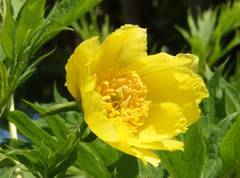
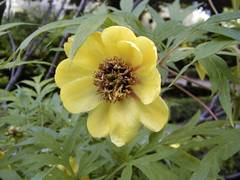
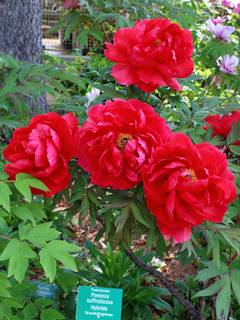
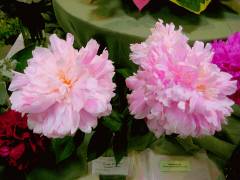
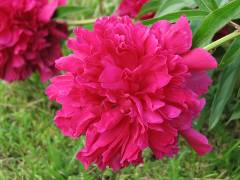
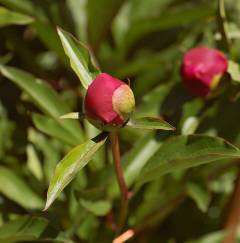
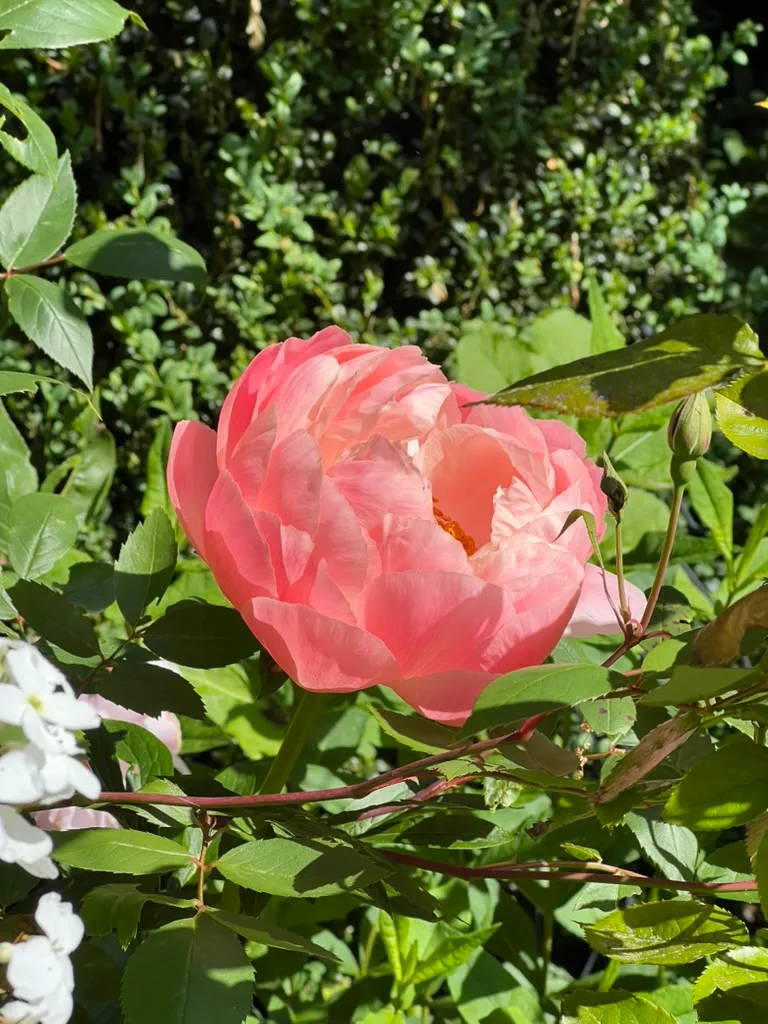
Paeonia lactiflora is the garden peony (Chinese peony), growing 24–36 inches (60–90 cm) tall and wide. Large flowers 3–6 inches (7–15 cm) in late spring to early summer in white, pink, red, or bicolor — four flower forms: single (one row of petals around a visible stamen center), semi-double (several rows), double (fully packed petals, no visible stamens), and bomb (a central mound of petaloids above a ring of guard petals). Many cultivars are strongly fragrant — the fragrance intensity varies by cultivar (some are unscented). The species name 'lactiflora' means 'milk-flowered,' referring to the white type. Ants feeding on the buds are consuming extrafloral nectar (a sugary exudate on the bud surface) — the ants do not 'open' the buds and are not required for flowering. Double-flowered cultivars with heavy flower heads require staking or peony rings — the stems bend to the ground in rain without support. In the peony family (Paeoniaceae). Requires winter chilling: 700+ hours below 40°F (4°C) — unsuited to zones 9+ and warm-winter climates. Plant the crown (eyes) 1–2 inches (2.5–5 cm) below the soil surface — deeper planting prevents flowering. Long-lived: established clumps persist for 50+ years without division. Resents transplanting — takes 2–3 years to re-establish after moving. All parts contain paeonol — mildly toxic to dogs and cats. Full sun (6+ hours) for flowering. Native to China, Mongolia, and Siberia. Deer-resistant. Zones 3–8. Growth rate is slow.
Native Range
Native to China, Mongolia, and Siberia. Cultivated in China for over 2,000 years. Hundreds of cultivars in single, semi-double, double, and bomb forms.Suggested Uses
Grown in borders in zones 3–8. Plant crown eyes 1–2 inches (2.5–5 cm) deep. Staking required for double forms. Long-lived (50+ years without division). The fragrant flowers are used as cut flowers. Mildly toxic to pets. Deer-resistant.How to Identify
Appearance
Size & Dimensions
Height2' - 3'
Width/Spread2' - 3'
Bloom Information
Detailed Descriptions
Flower Description
White, pink, red, or bicolor; single, semi-double, double, or bomb form; 3-6 inches (7-15 cm)Foliage Description
Dark green, glossy, compound with deeply divided leafletsGrowing Conditions
Sun Requirements
Requires 6-8 hours of direct sunlight daily
• Full Sun: 6+ hours of direct sunlight
• Partial Shade: 3-6 hours of direct sunlight
• Full Shade: Less than 3 hours of direct sunlight
Care & Maintenance
Care Guide
Full sun (6+ hours). Plant crown eyes 1–2 inches (2.5–5 cm) below soil surface — deeper prevents flowering. Requires 700+ winter chilling hours below 40°F (4°C). Double forms need staking. Long-lived (50+ years). Resents transplanting. Mildly toxic to dogs and cats. Deer-resistant. Zones 3–8.Pruning
Remove spent flowers (cut to the first full leaf set). Cut all stems to 2 inches (5 cm) above ground after the first hard fall frost (October–November). Remove and dispose of fallen foliage (reduces botrytis carryover). Do not cut foliage prematurely in summer.Pruning Schedule
Prune: October–November
fall
Container Growing
Suitable for container growing
Minimum container size: 10 gallons