Image 1 of 10
1 / 10
Plant Reference
Acanthus, Genus, mollis, Species,
- Genus & species
bear's breech
Mediterranean region — southern Europe, northwestern Africa; rocky hillsides, open woodlands, and disturbed sites
Overview
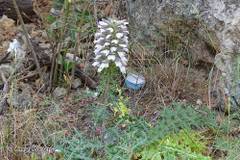
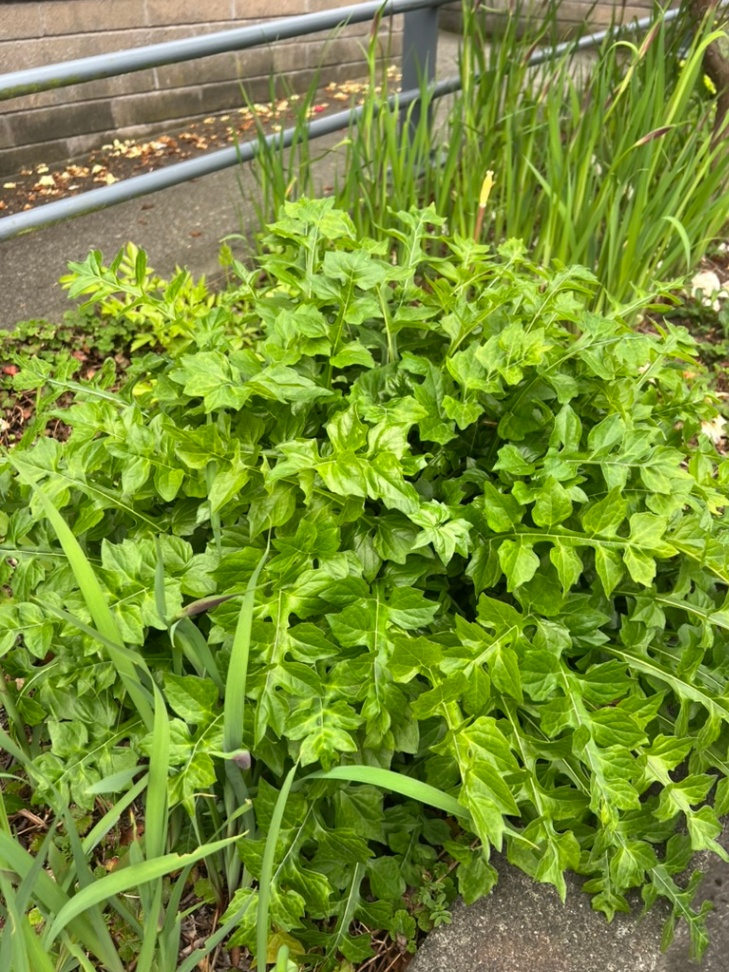
Acanthus mollis is bear's breech (oyster plant), a clumping semi-evergreen perennial growing 3-5 feet (0.9-1.5 m) tall (in bloom) and 3-4 feet (0.9-1.2 m) wide. Glossy dark green deeply pinnately lobed soft-textured leaves 12-24 inches (30-60 cm) — mollis = soft. White tubular flowers 1.5 inches (4 cm) with purple-green hooded bracts in dense upright terminal spikes 12-18 inches (30-45 cm) above the foliage in May-July. In Acanthaceae. Native to the Mediterranean region. The deeply lobed leaf is the model for the acanthus leaf motif on Corinthian column capitals in classical architecture. Spreads by thick fleshy roots — any root fragment left in the soil regenerates into a new plant. This aggressive root spread is the primary maintenance limitation. Once established, the plant is difficult to remove completely. Goes summer-dormant (foliage dies back) in hot dry climates without irrigation — new foliage emerges with fall rains. In cool-summer climates, foliage persists through summer. Snails and slugs feed on the leaves. Toxic (contact dermatitis in sensitive individuals). Deer-resistant. Drought-tolerant once established. Zones 5-9. Part shade to full sun. Growth rate is moderate.
Native Range
Native to the Mediterranean region — southern Europe and northwestern Africa. Found on rocky hillsides, open woodlands, and disturbed sites.Suggested Uses
Grown in mixed borders, Mediterranean-style gardens, and dry shade sites spaced 3-4 feet (0.9-1.2 m). Large deeply lobed foliage. Spreads aggressively by roots — contain or give ample space. Goes summer-dormant without water. Toxic. Deer-resistant. Zones 5-9.How to Identify
Appearance
Size & Dimensions
Height3' - 5'
Width/Spread3' - 4'
Colors
Bloom Information
Detailed Descriptions
Flower Description
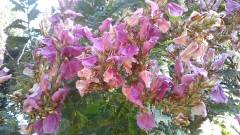
White with purple-green hooded bracts, tubular, 1.5 inches (4 cm), in dense upright terminal spikes 12-18 inches (30-45 cm)Foliage Description
Glossy dark green, deeply pinnately lobed, 12-24 inches (30-60 cm) long, soft-textured (mollis = soft); semi-evergreen — retains foliage in mild winters (zones 8-9), dies back in zones 5-7Growing Conditions
Sun Requirements
Requires 3-6 hours of direct sunlight daily
• Full Sun: 6+ hours of direct sunlight
• Partial Shade: 3-6 hours of direct sunlight
• Full Shade: Less than 3 hours of direct sunlight
Care & Maintenance
Care Guide
Part shade to full sun (3-6 hours — afternoon shade in hot climates). Well-drained soil pH 6.0-7.5. Drought-tolerant once established — goes summer-dormant without water in hot dry climates. Spreads aggressively by fleshy roots — difficult to remove once established. Snails and slugs on foliage. Prune dead foliage in early spring (February-March). Toxic (contact dermatitis). Deer-resistant. Zones 5-9.Pruning
Cut spent flower spikes to the base after bloom. Remove tattered summer-dormant foliage in fall. In cold climates (zones 5-7), remove dead foliage in early spring (February-March) before new growth emerges. Divide and remove unwanted root spread.Pruning Schedule
Prune: February–March
early spring