Image 1 of 24
1 / 24
Plant Reference
Aquilegia, Genus, vulgaris, Species,
- Genus & species
columbine
Europe; open woodlands, meadows, and rocky slopes
Overview
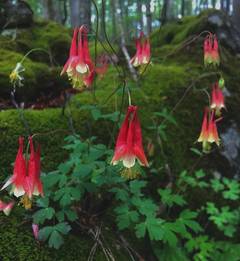
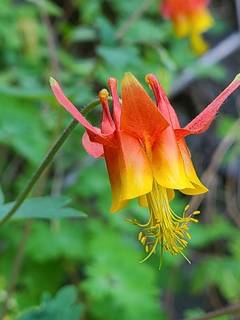
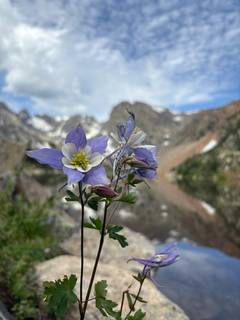
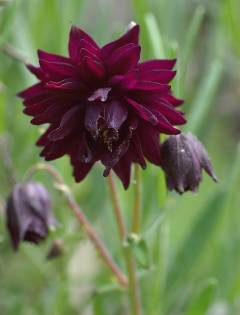
Aquilegia vulgaris is columbine (European columbine), an upright deciduous perennial growing 18-36 inches (45-90 cm) tall and 12-18 inches (30-45 cm) wide. Blue-violet (species type) nodding spurred flowers 1-2 inches (2.5-5 cm) with 5 petal-like sepals and 5 hooked or short-spurred petals in May-June (5 weeks). Cultivars in white, pink, red, purple, and bicolor. Blue-green biternately compound leaves with rounded 3-lobed leaflets resembling maidenhair fern (Adiantum). In Ranunculaceae. Aquilegia = eagle (the spurs resemble eagle talons). Native to Europe. A short-lived perennial (3-5 years) — individual plants decline after 3-5 seasons. This short lifespan is the primary limitation. The plant compensates by self-sowing freely — seedlings appear the following year and bloom in their second season. Cultivar colors do not breed true from seed. Columbine leaf miner (Phytomyza aquilegiae) creates white serpentine trails in the leaves — cosmetic damage; cut affected foliage to the ground for a fresh flush. Hummingbird-visited (the spurs contain nectar). All parts toxic (protoanemonin and cyanogenic glycosides). Deer browse. Zones 3-9. Part sun to full sun. Growth rate is moderate.
Native Range
Native to Europe. Found in open woodlands, meadows, and rocky slopes.Suggested Uses
Grown in cottage gardens, woodland edges, mixed borders, and in containers of at least 3 gallons (11 L), spaced 12-18 inches (30-45 cm). Short-lived perennial — self-sows to persist. Hummingbird plant. Maidenhair-fern-like foliage. Toxic. Zones 3-9.How to Identify
Appearance
Size & Dimensions
Height1'6" - 3'
Width/Spread1' - 1'6"
Bloom Information
Late spring to early summer (May-June). Blue-violet (or cultivar colors) nodding spurred flowers 1-2 inches (2.5-5 cm). 5 weeks. Hummingbird-visited (nectar in spurs). Self-sows freely. Deadhead to prevent self-sowing or allow seedlings.
Detailed Descriptions
Flower Description
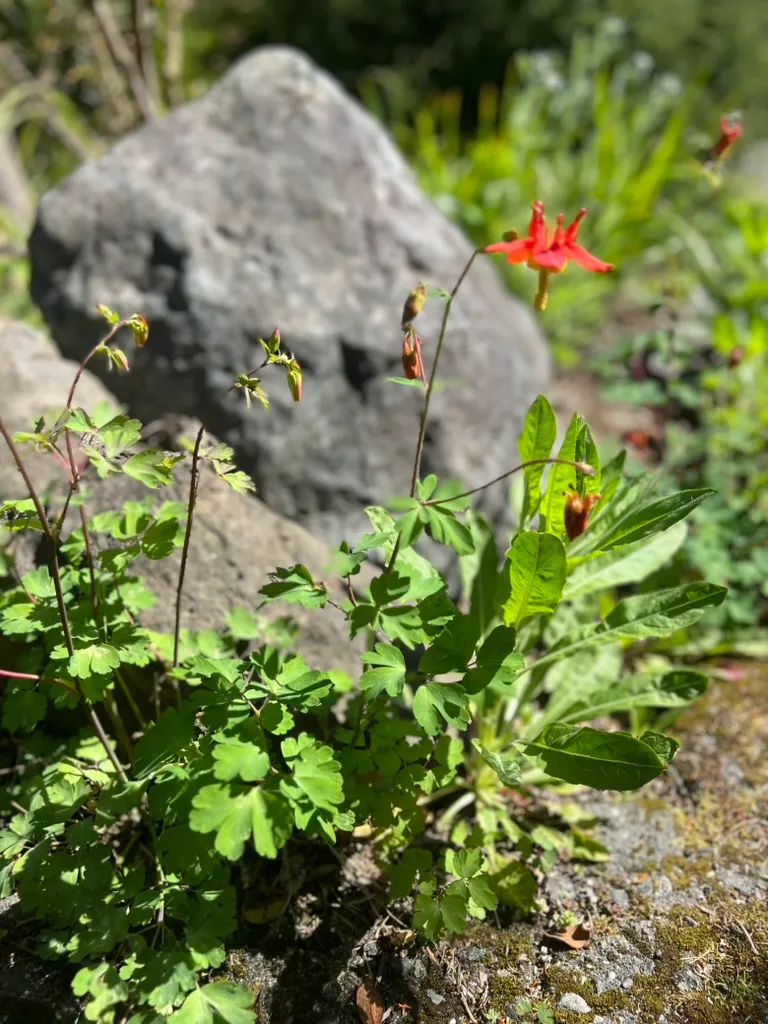
Blue-violet (species type); cultivars in white, pink, red, purple, and bicolor; nodding, spurred, 1-2 inches (2.5-5 cm), with 5 petal-like sepals and 5 hooked or short-spurred petalsFoliage Description
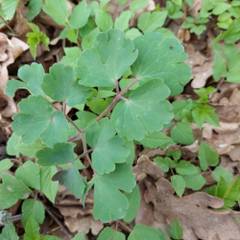
Blue-green, biternately compound with rounded 3-lobed leaflets resembling a maidenhair fern (Adiantum); basal rosette plus stem leavesGrowing Conditions
Sun Requirements
Requires 3-8 hours of direct sunlight daily
• Full Sun: 6+ hours of direct sunlight
• Partial Shade: 3-6 hours of direct sunlight
• Full Shade: Less than 3 hours of direct sunlight
Care & Maintenance
Care Guide
Part sun to full sun (3-8 hours — afternoon shade in hot climates). Well-drained soil pH 6.0-7.0. Not drought-tolerant. Short-lived perennial (3-5 years) — allow self-sowing to maintain the colony. Columbine leaf miner — cut affected foliage to ground for regrowth. Cultivar colors revert in seedlings. All parts toxic. Deer browse. Zones 3-9.Pruning
Deadhead spent flowers to prevent self-sowing or allow seedlings. Cut leaf-miner-damaged foliage to the ground — a fresh flush of foliage emerges. Cut the entire plant to the ground after bloom if foliage is tattered.Pruning Schedule
Prune: June–July
summer
Container Growing
Suitable for container growing
Minimum container size: 3 gallons