Xanthosoma, Genus, spp., Multiple species,
- Genus
- Multiple species
tannias
Tropical Central and South America and the Caribbean
Overview
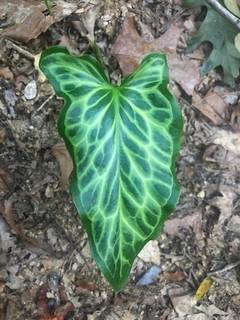
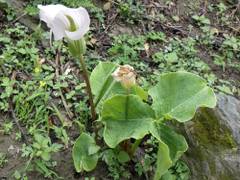
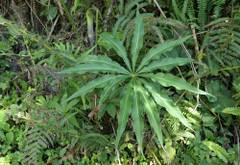
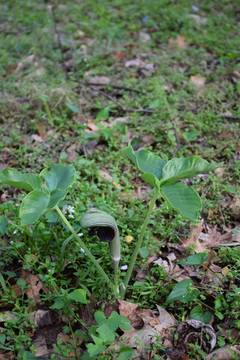
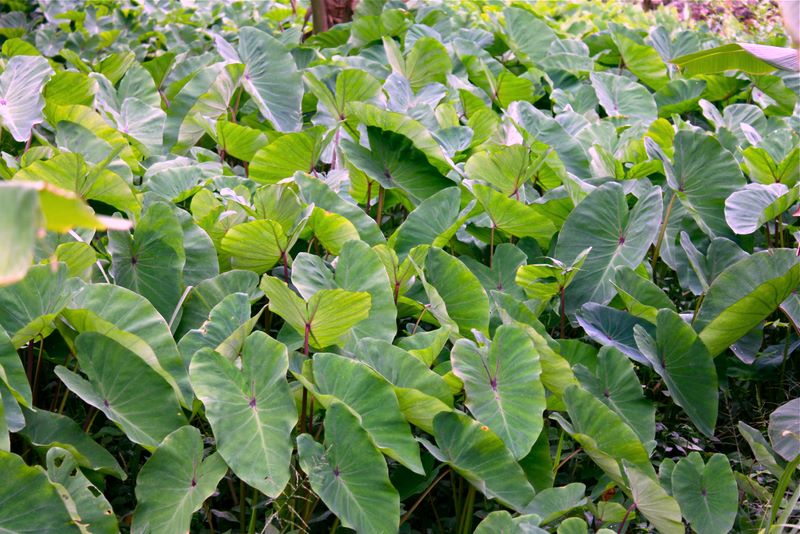
Xanthosoma is a genus of about 50 to 75 species of large tropical perennials in the arum family, Araceae, native to tropical Central and South America and the Caribbean. Plants grow from starchy underground corms and rhizomes, forming clumps of long-stalked leaves 0.5-2 m (1.6-6.6 ft) tall. The leaf blades are large and arrow- or spear-shaped, 30-90 cm (12-35 in) long, with the basal lobes pointing downward, distinguishing them from the heart-shaped leaves of related taro. The flowers are the small, crowded arum type, a spadix wrapped in a green to white or yellow spathe, and are produced less often in cultivation. Several species, grown as tannia, cocoyam, malanga, or yautia, are staple root crops of the tropics, raised for their starchy corms and edible young leaves. All parts contain needle-like calcium oxalate crystals that make them acrid and irritating when raw, so the corms and leaves are eaten only after thorough cooking. Plants need warmth, moisture, and fertile soil and are killed back by frost, limiting them to frost-free and near-frost-free climates.
Native Range
Xanthosoma is native to tropical Central and South America and the Caribbean, growing in warm, humid, often damp ground along forest edges, streamsides, and clearings. Several species are now cultivated across the wider tropics as root crops.Suggested Uses
Xanthosoma is grown across the tropics as a staple root crop, raised for its starchy corms and edible cooked leaves, and is grown elsewhere as a bold foliage plant in warm gardens and large containers. Ornamental forms with lime-green or dark purple leaves are used for tropical bedding. The large leaves give a lush, architectural effect in summer plantings.How to Identify
Appearance
Size & Dimensions
Height1'8" - 6'7"
Width/Spread2' - 5'
Bloom Information
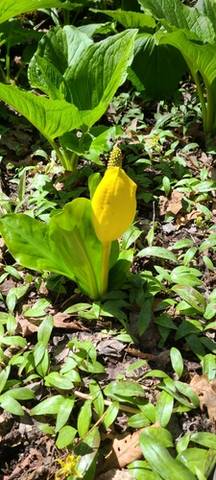
Flowering occurs in the warm, wet season in the tropics and is infrequent in cultivation, where plants are grown mainly for their foliage and corms. Each inflorescence is a spadix wrapped in a green to yellowish spathe and lasts a few days. Most cultivated plants are increased from corms rather than seed.
Detailed Descriptions
Flower Description
Green to yellowish-white spatheFoliage Description
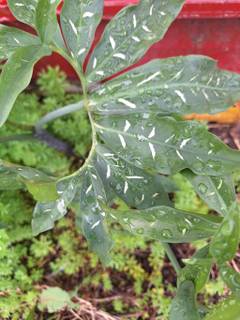
Green, some forms lime-green or purpleGrowing Conditions
Sun Requirements
Requires 4-8 hours of direct sunlight daily
• Full Sun: 6+ hours of direct sunlight
• Partial Shade: 3-6 hours of direct sunlight
• Full Shade: Less than 3 hours of direct sunlight
Care & Maintenance
Care Guide
Xanthosoma grows in full sun to part shade in warm, humid conditions on deep, fertile, moisture-retentive soil, and tolerates wet ground better than most aroids. Plants need a long, warm growing season and steady moisture to bulk up their corms, and they are frost-sensitive, dying back or dying outright in cold. In frost-free zones the foliage stands year-round; in cooler areas the corms are lifted and stored over winter. The clumps spread by offsets from the corm and are divided to propagate them. The raw plant is irritating because of calcium oxalate, so harvested corms and leaves are cooked before eating. Hardiness is limited to roughly USDA zones 8-11.Pruning
Old, yellowing, or frost-damaged leaves are cut away at the base to keep the clump tidy. In cool climates the foliage is removed and the corms lifted for winter storage after the first frost. Offsets are separated from the parent corm in spring to renew or increase the planting.Pruning Schedule
Prune: March–April
early spring
Container Growing
Suitable for container growing
Minimum container size: 7 gallons