Xanthocyparis, Genus, spp., Multiple species,
- Genus
- Multiple species
cypress
Western North America and northern Vietnam
Overview
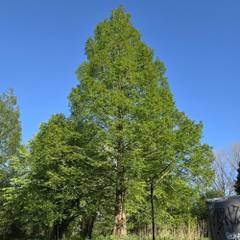
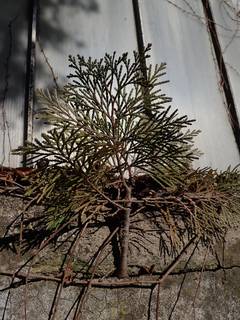
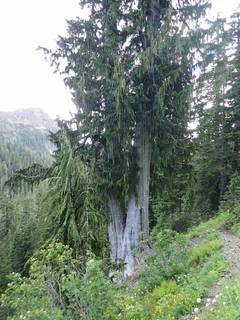
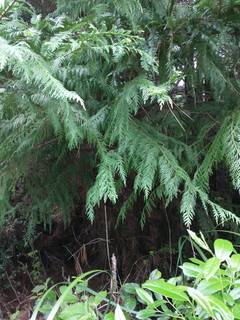
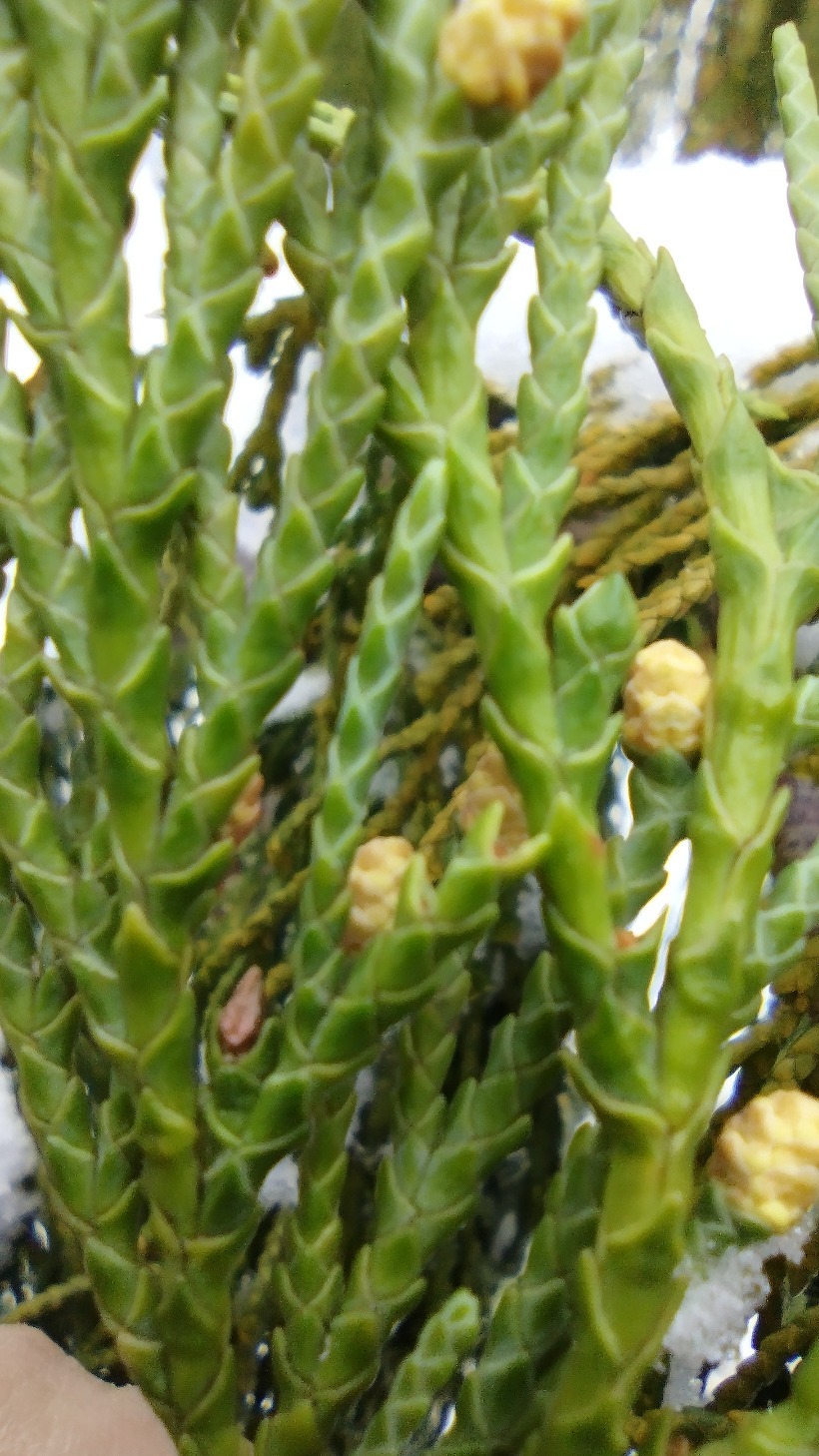
Xanthocyparis is a small genus of evergreen conifers in the cypress family (Cupressaceae), as treated here including the Vietnamese golden cypress, X. vietnamensis, and the Nootka cypress, X. nootkatensis, the latter also placed by some botanists in Callitropsis or Cupressus. The genus ranges from shrubby trees 30-50 feet (9-15 m) tall to forest trees reaching 80-120 feet (24-37 m), with conical to irregular crowns and often drooping branchlets. The bark is grey-brown and peels in strips. Foliage is borne in flattened sprays of scale-like adult leaves, with some species and young plants also carrying spreading needle-like juvenile leaves, deep green to slightly glaucous. Small rounded seed cones about 0.4-0.5 inch (1-1.2 cm) wide ripen in their second year, opening to release winged seeds. X. vietnamensis is a rare, threatened tree of limestone mountains, while X. nootkatensis is a widespread cold-climate species of western North America. Hardiness and form vary widely across the genus, and several species are slow-growing and intolerant of hot, dry sites.
Native Range
The genus spans two widely separated regions: X. vietnamensis is native to limestone mountains of northern Vietnam, while X. nootkatensis ranges along the Pacific coast of North America from Alaska to Oregon and California. Habitats include misty limestone ridges in the former and cool, moist coastal and mountain forests in the latter.Suggested Uses
Grown as a specimen and screening tree in cool, moist climates, with X. nootkatensis and its weeping forms used in parks and large gardens and X. vietnamensis largely confined to collections and conservation plantings. Trees are spaced 10-20 feet (3-6 m) apart for screens or given room as specimens. The genus suits woodland and waterside settings with reliable moisture.How to Identify
Appearance
Size & Dimensions
Height30' - 120'
Width/Spread10' - 25'
Bloom Information
As conifers, Xanthocyparis species bear cones rather than flowers. Pollen is shed from small cones in spring, and the rounded seed cones ripen over roughly two years before opening. Cultivated trees cone irregularly, and the genus is grown for its foliage and form rather than any floral show.
Detailed Descriptions
Foliage Description
deep green to slightly glaucousGrowing Conditions
Sun Requirements
Requires 4-9 hours of direct sunlight daily
• Full Sun: 6+ hours of direct sunlight
• Partial Shade: 3-6 hours of direct sunlight
• Full Shade: Less than 3 hours of direct sunlight
Water & Climate
Water Needs
Care & Maintenance
Care Guide
Grows in full sun to part shade in moist, well-drained, neutral to slightly acidic soil with a pH from 5.5 to 7.0; most species dislike hot, dry, or shallow ground. Steady moisture and cool, humid air suit the genus, and X. nootkatensis in particular grows poorly in heat and drought. Shelter from drying wind reduces foliage browning. Little feeding is needed in reasonable soil. Hardiness varies sharply, from the cold-hardy X. nootkatensis to the frost-tender X. vietnamensis, so species selection is matched to climate. Root rots develop in waterlogged soil, and cypress canker can affect stressed trees in hot regions.Pruning
Little pruning is needed beyond removing dead, damaged, or crossing branches, ideally in late winter or early spring. The genus tolerates light shaping and can be trimmed as a screen, but cutting back into old leafless wood does not regenerate. The naturally drooping or conical form develops without training.Pruning Schedule
Prune: February–March
winterearly spring