Image 1 of 19
1 / 19
Plant Reference
Taxodium, Genus, distichum, Species,
- Genus & species
bald cypress
Southeastern United States — from Delaware to Florida, west to Texas; swamps, river floodplains, and wet bottomlands; often standing in water
Overview
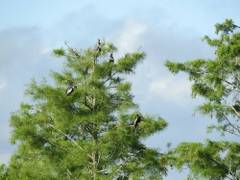
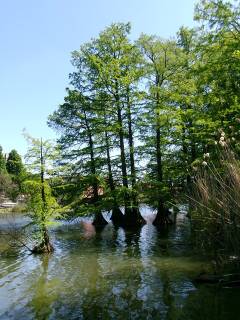
Taxodium distichum is bald cypress (swamp cypress), a large upright deciduous conifer growing 50-70 feet (15-21 m) tall and 20-30 feet (6-9 m) wide with a pyramidal crown. Light green feathery flat needles 0.5-0.75 inch (1.3-2 cm) arranged in 2 ranks (distichous). A deciduous conifer — drops its needles and lateral branchlets in fall (hence bald). Turns copper, bronze, and rust in fall. The trunk base flares outward (buttressed) in wet sites. In wet or flooded conditions, woody conical projections called cypress knees (pneumatophores) emerge 1-4 feet (0.3-1.2 m) above the soil from the root system. In Cupressaceae. Native to the southeastern United States — swamps, river floodplains, and wet bottomlands. Despite its swamp origin, tolerates well-drained upland sites and drought once established — cypress knees do not form on dry sites. The very large mature size (50-70 feet / 15-21 m tall) and the cypress knees in wet conditions are the primary space limitations. The cypress knees can interfere with mowing if the tree is in a lawn setting. No significant pest or disease problems. The wood is naturally rot-resistant. Deer-resistant. Non-toxic. Zones 4-9. Full sun. Growth rate is moderate to fast.
Native Range
Native to the southeastern United States — from Delaware to Florida, west to Texas. Found in swamps, river floodplains, and wet bottomlands, often standing in water.Suggested Uses
Grown as a shade tree and specimen tree near ponds, lakes, and wet sites or on well-drained upland sites, spaced 20-30 feet (6-9 m). Cypress knees in wet conditions — avoid lawn settings if knees will interfere with mowing. Rot-resistant wood. Native to southeastern North America. Non-toxic. Zones 4-9.How to Identify
Appearance
Size & Dimensions
Height50' - 70'
Width/Spread20' - 30'
Bloom Information
Early spring (April). Inconspicuous male pollen cones in pendant clusters 4-5 inches (10-13 cm). Wind-pollinated. 1 week. Round female cones 1 inch (2.5 cm) ripen green to brown.
Detailed Descriptions
Foliage Description
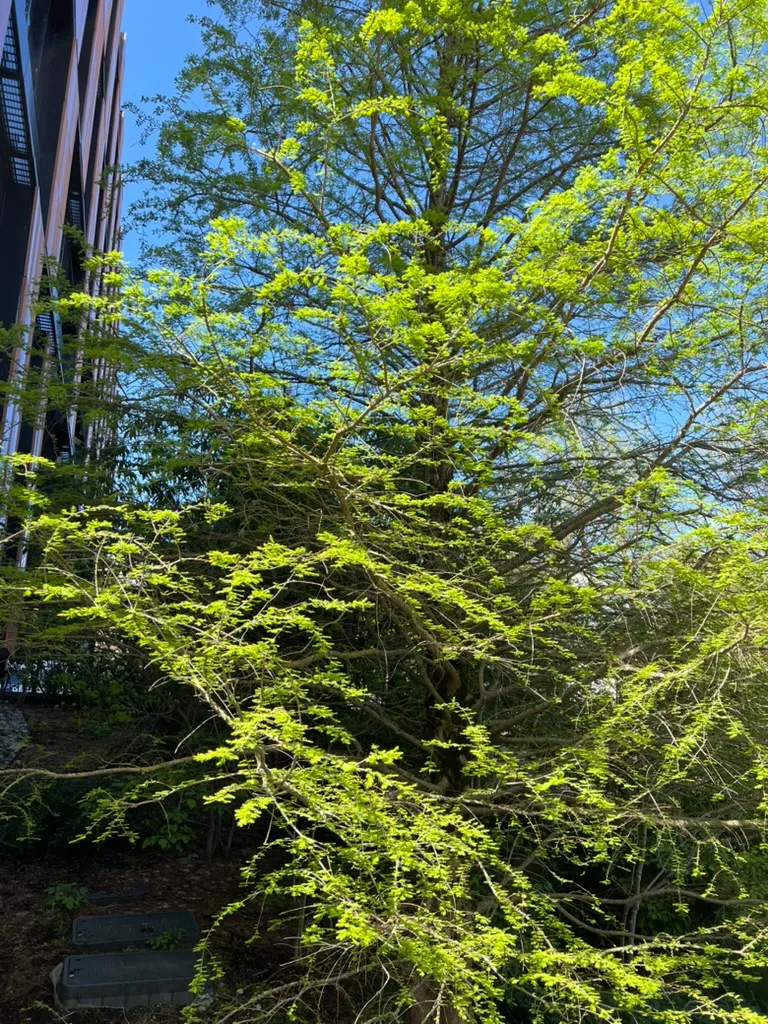
Light green, feathery, flat needle-like, 0.5-0.75 inch (1.3-2 cm), arranged in 2 ranks (distichous = in two rows); turns copper, bronze, and rust in fall — drops with the branchlets (the entire short lateral branchlets shed as a unit)Growing Conditions
Sun Requirements
Requires 6-10 hours of direct sunlight daily
• Full Sun: 6+ hours of direct sunlight
• Partial Shade: 3-6 hours of direct sunlight
• Full Shade: Less than 3 hours of direct sunlight
Care & Maintenance
Care Guide
Full sun (6+ hours). Moist soil pH 5.0-7.5 — native to swamps but tolerates well-drained upland sites. Drought-tolerant once established on upland sites. Cypress knees form in wet conditions and can interfere with mowing. Very large at maturity. No significant pest or disease problems. Prune in winter (January-February). Deer-resistant. Non-toxic. Zones 4-9.Pruning
Prune in winter (January-February). Minimal pruning needed — the pyramidal form is natural. Remove dead or crossing branches. Develop a single central leader when young. Do not attempt to remove cypress knees — they will regrow.Pruning Schedule
Prune: January–February
winter