Vitis, Genus, spp., Multiple species,
- Genus
- Multiple species
grapevines
Temperate Northern Hemisphere (North America, Europe, the Middle East, and Asia)
Overview
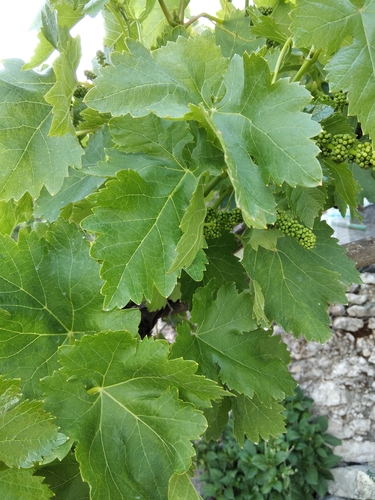
Vitis is a genus of about 60 to 80 species of deciduous woody vines in the Vitaceae family, native to the temperate Northern Hemisphere and grown worldwide for grapes. Plants climb by coiling tendrils that grip wires, trellises, and other plants, and the stems can reach 10-50 feet (3-15 m) where support allows. Bark on older wood is brown and shreds in long strips. Leaves are alternate, broad, and palmately lobed with toothed margins, often turning yellow, red, or orange in fall. Small green flowers open in branching clusters in late spring and carry a light scent; most cultivated grapes are self-fertile, while many wild species are dioecious. The fruit is a juicy berry in hanging bunches, ripening green, red, purple, or black. Vitis vinifera is the wine grape of Europe and western Asia, and North American species such as V. labrusca and V. riparia supply table grapes, juice, and disease-resistant rootstocks. Vines grow quickly and need yearly pruning and sturdy support, and they are prone to downy mildew, powdery mildew, black rot, and the root pest phylloxera. Grapes and raisins can cause kidney failure in dogs.
Native Range
Vitis is native to the temperate Northern Hemisphere across North America, Europe, the Middle East, and Asia. North American natives include V. labrusca, V. riparia, V. aestivalis, and the muscadine V. rotundifolia of the southeastern United States.Suggested Uses
Grown for table grapes, wine, juice, jelly, and raisins, and trained over arbors and pergolas for summer shade. Vigorous species are used to cover fences and screens, and the fruit feeds birds and other wildlife. The flowers supply nectar and pollen for bees.How to Identify
Appearance
Size & Dimensions
Height10' - 50'
Width/Spread5' - 20'
Bloom Information
Flowering occurs in late spring to early summer, generally May and June, after the new shoots have grown several leaves. The small green flowers open in branching clusters and release a light fragrance that draws bees, though many grapes also self-pollinate. Bloom lasts one to two weeks. Berries develop over summer and ripen from late summer into fall.
Detailed Descriptions
Flower Description
green to yellow-greenFoliage Description
greenGrowing Conditions
Sun Requirements
Requires 6-12 hours of direct sunlight daily
• Full Sun: 6+ hours of direct sunlight
• Partial Shade: 3-6 hours of direct sunlight
• Full Shade: Less than 3 hours of direct sunlight
Care & Maintenance
Care Guide
Plants in this genus grow in full sun with good air movement and prefer deep, well-drained soil at pH 5.5-7.0, tolerating rocky and low-fertility ground that concentrates fruit flavor. Established vines tolerate drought but fruit most heavily with steady moisture during the growing season. A trellis, arbor, or wire system is needed to carry the heavy, fast-growing canes. Annual dormant pruning removes most of the previous year's wood and controls both size and crop. Downy and powdery mildew, black rot, Pierce's disease, Japanese beetles, and phylloxera are the main problems, and many regions graft V. vinifera onto resistant American rootstocks. Hardiness spans USDA zones 3-9 depending on species.Pruning
Prune hard in late winter while fully dormant, since vines bleed sap but tolerate the heavy cuts that grape production requires. Cane and spur pruning systems remove 80-90 percent of the prior season's growth to balance fruiting and vigor. Summer trimming of excess shoots improves air flow and light to ripening fruit.Container Growing
Suitable for container growing
Minimum container size: 15 gallons