Image 1 of 23
1 / 23
Plant Reference
Vitis, Genus, vinifera, Species,
- Genus & species
grape
Mediterranean region, central Europe, and southwestern Asia; widely cultivated worldwide for over 6,000 years
Overview
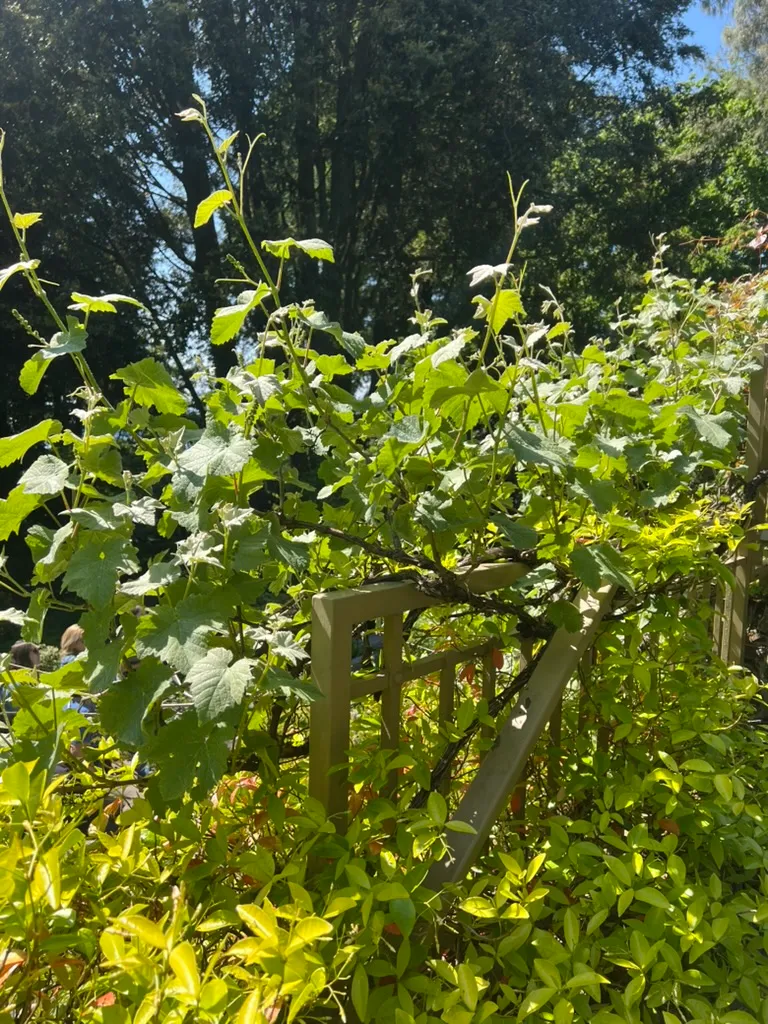
Vitis vinifera is grape (European wine grape), a deciduous vine climbing 30-50 feet (9-15 m) by tendrils. Medium to dark green palmately lobed leaves with 3-5 lobes, 3-8 inches (7-20 cm). Greenish tiny inconspicuous flowers in panicles 2-4 inches (5-10 cm) in May-June. Fruit (grapes) ripen August-October. Turns yellow, red, and purple in fall. In Vitaceae. Vinifera = wine-bearing — the species used for most of the world's wine production, cultivated for over 6,000 years. Thousands of named cultivars. Fruit is produced on current-season shoots from 1-year-old canes — annual winter pruning is required for consistent fruit production. This annual pruning requirement and the training to a trellis system make grape cultivation high-maintenance. Susceptible to powdery mildew, downy mildew, black rot (Guignardia bidwellii), and phylloxera (Daktulosphaira vitifoliae — a root-feeding aphid). In eastern North America, V. vinifera roots are susceptible to phylloxera — vines are grafted onto phylloxera-resistant American rootstock (V. labrusca, V. riparia). Japanese beetles and birds consume the ripe fruit. Deer browse. Non-toxic. Zones 5-9. Full sun (8+ hours for fruit ripening). Growth rate is fast.
Native Range
Native to the Mediterranean region, central Europe, and southwestern Asia. Cultivated worldwide for over 6,000 years.Suggested Uses
Grown on trellises, arbors, pergolas, and fence-mounted wire systems for fruit production and shade, spaced 6-10 feet (1.8-3 m). Wine and table grape production. Edible fruit. Annual pruning required. Also grown in containers of at least 10 gallons (38 L). High maintenance. Non-toxic. Zones 5-9.How to Identify
Appearance
Size & Dimensions
Height30' - 50'
Width/Spread6' - 10'
Bloom Information
Late spring (May-June). Greenish tiny inconspicuous flowers in panicles 2-4 inches (5-10 cm). Self-fertile (most cultivars). 2 weeks. Bee-pollinated. Grapes ripen August-October.
Detailed Descriptions
Flower Description
Greenish, tiny, inconspicuous, in panicles 2-4 inches (5-10 cm); self-fertile (most cultivars)Foliage Description
Medium to dark green, simple, palmately lobed with 3-5 lobes, 3-8 inches (7-20 cm) across; turns yellow, red, and purple in fallGrowing Conditions
Sun Requirements
Requires 8-10 hours of direct sunlight daily
• Full Sun: 6+ hours of direct sunlight
• Partial Shade: 3-6 hours of direct sunlight
• Full Shade: Less than 3 hours of direct sunlight
Care & Maintenance
Care Guide
Full sun (8+ hours for fruit ripening). Well-drained soil pH 6.0-7.5. Annual winter pruning required for fruit production (January-February while dormant). Train to trellis or arbor system. Powdery mildew, downy mildew, black rot. Phylloxera-susceptible roots — graft onto American rootstock in eastern North America. Birds and Japanese beetles on fruit. Deer browse. High maintenance. Non-toxic. Zones 5-9.Pruning
Prune in winter (January-February) while fully dormant — bleeding (sap flow) occurs if pruned too late. Fruit is produced on current-season shoots from 1-year-old canes. Retain 2-4 canes of the previous season's growth (pencil-diameter, mature brown wood) with 6-10 buds each. Remove all other growth. The specific pruning system (cane pruning vs. spur pruning) depends on the cultivar.Pruning Schedule
Prune: January–February
winter
Container Growing
Suitable for container growing
Minimum container size: 10 gallons