Viola, Genus, ×, Hybrid, williamsii, Species,
- Genus & species
- Hybrid
horned pansy
Garden origin; parent species from Europe
SunFull Sun – Part Shade
WaterMedium
Overview
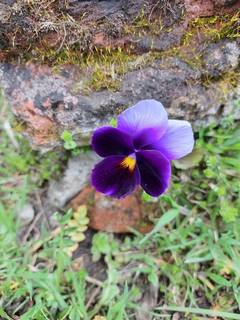
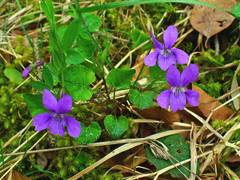
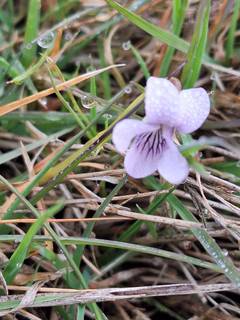
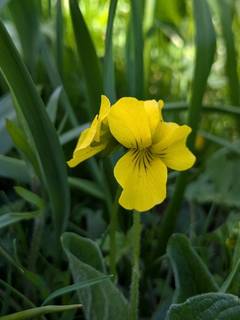
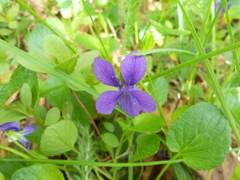
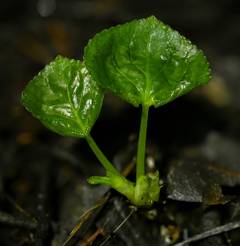
Viola × williamsii is a compact, cool-season flowering plant grown as an annual or short-lived biennial, reaching 6–9 inches (15–23 cm) tall and 6–10 inches (15–25 cm) wide. It is a hybrid between the horned violet Viola cornuta and the garden pansy Viola × wittrockiana, combining the tufted, free-flowering habit of one parent with the larger flowers of the other. Plants form low mounds of rounded, scalloped green leaves and carry many flowers 1–1.5 inches (2.5–4 cm) across, smaller and more numerous than garden pansies. Flowers come in a wide color range, including blue, purple, yellow, white, apricot, and bicolors, many with dark central markings. Bloom is heaviest in the cool weather of spring and fall, slowing or stopping in summer heat, when plants may stretch and decline. In mild-winter regions plants flower through winter. The mounded habit holds form in wind and rain more than large-flowered pansies. Plants are short-lived and usually replaced each season once heat ends the display.
Native Range
Viola × williamsii is a hybrid of garden origin with no wild distribution. Its parent species, Viola cornuta from the Pyrenees of Spain and France, and the garden pansy Viola × wittrockiana, trace to European and western Asian violas. The hybrid is propagated by seed and cuttings for the bedding-plant trade.Suggested Uses
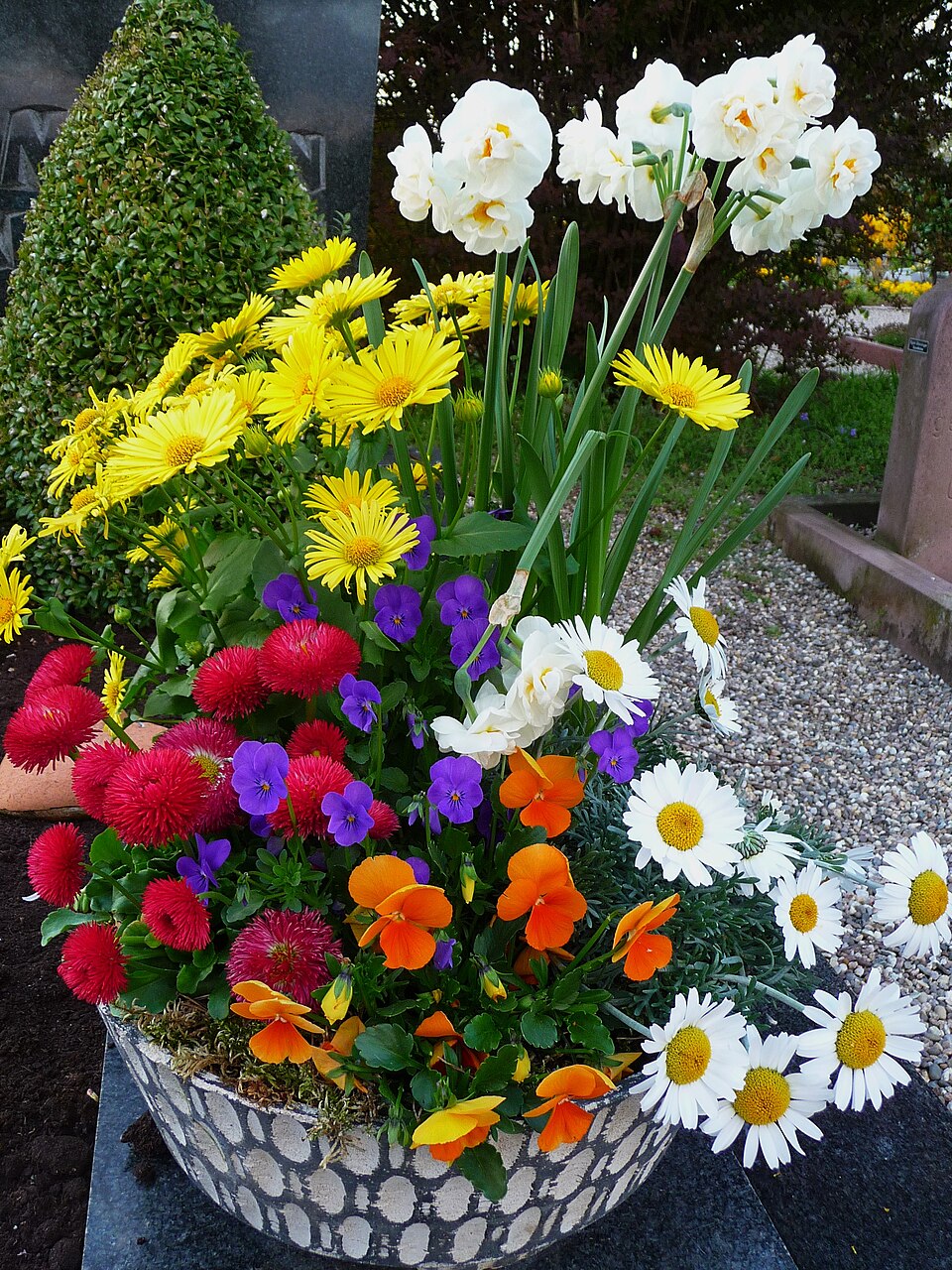
Used for cool-season bedding, edging, and mass color in spring and fall displays, spaced 6–8 inches (15–20 cm) apart. It fills containers, window boxes, and hanging baskets, and overwinters for late-winter color in mild climates. The small flowers are edible and used as a garnish.How to Identify
Appearance
Size & Dimensions
Height6" - 9"
Width/Spread6" - 10"
Bloom Information
Flowering is concentrated in spring and fall, with the heaviest bloom in cool weather between 40°F and 70°F (4°C and 21°C). Where winters are mild, plants bloom from fall through spring. Summer heat slows or halts flowering and causes plants to stretch. Removing spent flowers lengthens the bloom period.
Detailed Descriptions
Flower Description
blue, purple, yellow, white, and bicolorsFoliage Description
greenGrowing Conditions
Sun Requirements
Requires 4-8 hours of direct sunlight daily
• Full Sun: 6+ hours of direct sunlight
• Partial Shade: 3-6 hours of direct sunlight
• Full Shade: Less than 3 hours of direct sunlight
Water & Climate
Water Needs
Care & Maintenance
Care Guide
Full sun to part shade suits Viola × williamsii, with afternoon shade helpful where springs turn hot early. Moist, well-drained soil rich in organic matter at pH 5.5–6.5 supports steady bloom. Even moisture matters, since drought stress and heat both shorten the flowering season. Plants are set out in early spring or fall for cool-season color and tolerate light frost. A balanced feeding every few weeks sustains flowering in fast-draining or container soils. Heat above about 80°F (27°C) ends the productive period, after which plants are usually pulled and replaced.Pruning
Pinching leggy stems back by about one-third in late spring renews compactness and prompts fresh flowering. Regular removal of faded flowers, before seed sets, keeps plants blooming longer. No structural pruning is needed on these short-lived plants.Pruning Schedule
Prune: May
late spring
Container Growing
Suitable for container growing
Minimum container size: 1 gallons
Toxicity
Non-toxicPlanting Guide
Planting Methods & Timing
Planting Method
transplant
Indoor Start
10 weeks before last frost
Direct Sow Timing
Seldom direct-sown; seed is started indoors in late summer for fall planting or late winter for spring planting
Days to Maturity
60–90 days
Plant Spacing
7 inches
Companion Planting
Good Companions