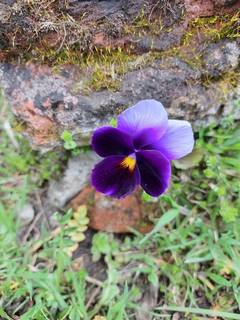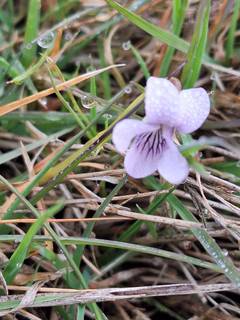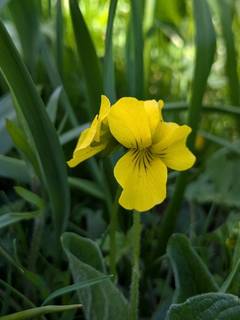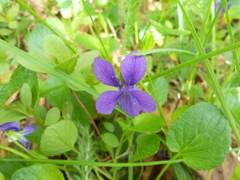
Viola, Genus,
- Genus
viola
Temperate Northern Hemisphere worldwide; the Pacific Northwest natives include {V. adunca} (early blue violet) and {V. glabella} (stream violet); cultivated pansies and violas are complex hybrids of European and Asian species
Overview
Viola is viola (pansy), a low mounding cool-season annual or short-lived perennial growing 4-8 inches (10-20 cm) tall and 6-10 inches (15-25 cm) wide. 5-petaled flowers in white, yellow, orange, purple, lavender, red, blue, near-black, or multicolored, often with dark face markings, from October through May in the Pacific Northwest (28 weeks). Medium green oval to heart-shaped scalloped leaves. In Violaceae. The cool-season nature is defining: violas and pansies bloom heavily in cool weather (40-60°F / 4-16°C) and decline in summer heat above 80°F (27°C). Two main horticultural groups: pansies (V. × wittrockiana, large flowers, complex hybrids) and violas (V. cornuta hybrids, smaller flowers, longer-blooming). Pacific Northwest native species include V. adunca and V. glabella. Pinch spent flowers regularly to prevent seed set. Edible flowers and leaves. Non-toxic. Zones 3-9. Part sun to full sun. Growth rate is moderate.
Native Range
Temperate Northern Hemisphere worldwide. Pacific Northwest native species include Viola adunca (early blue violet) and V. glabella (stream violet). Cultivated pansies and violas are complex hybrids of European and Asian species.Suggested Uses
Grown in fall and winter beds, cool-season containers, window boxes, edible flower gardens, and along walkways, in containers of at least 1 gallon (4 L), spaced 6-10 inches (15-25 cm). Cool-season bloom. Edible. Non-toxic. Zones 3-9.How to Identify
Appearance
Size & Dimensions
Height4" - 8"
Width/Spread6" - 10"
Colors
Bloom Information
Detailed Descriptions
Flower Description
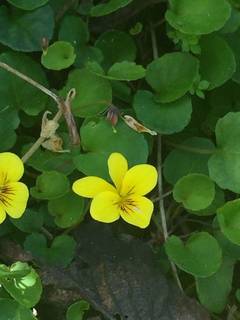
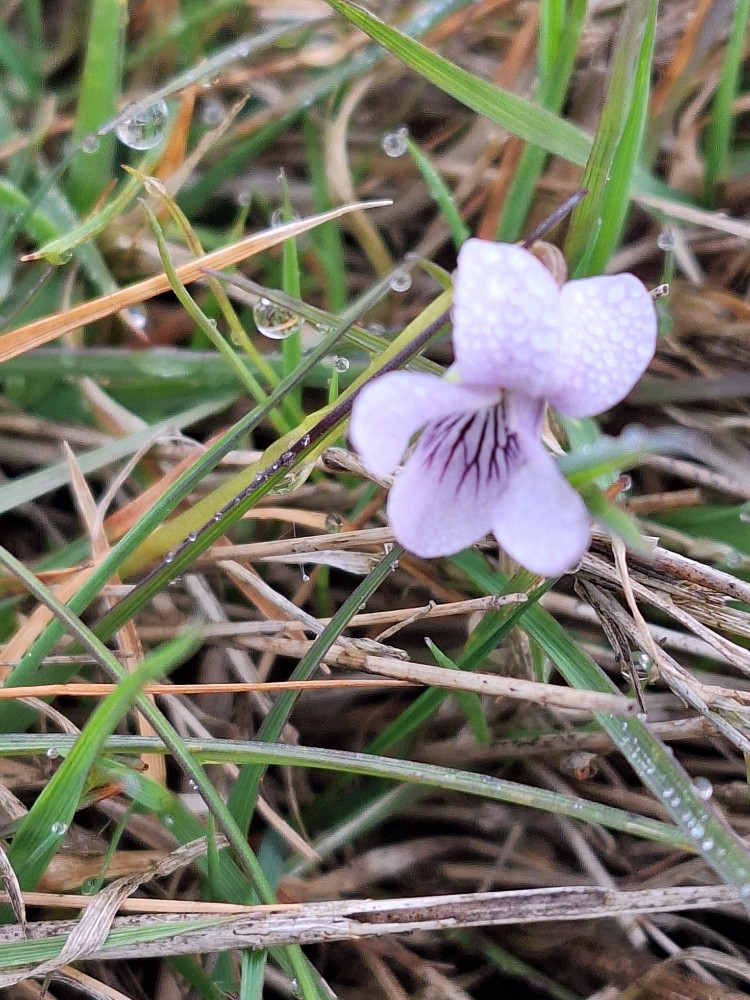
5-petaled with the lower petal often spurred at the back; white, yellow, orange, purple, lavender, red, blue, near-black, or multicolored; many cultivars with dark face markings ('whiskers' on the lower petal); 0.75-3 inches (2-7.5 cm) across depending on cultivar (smaller for V. cornuta violas, larger for V. × wittrockiana pansies); October-May in the Pacific NorthwestFoliage Description
Medium green, oval to heart-shaped, scalloped margins, 0.75-2 inches (2-5 cm); the leaves form a basal rosetteGrowing Conditions
Sun Requirements
Requires 4-10 hours of direct sunlight daily
• Full Sun: 6+ hours of direct sunlight
• Partial Shade: 3-6 hours of direct sunlight
• Full Shade: Less than 3 hours of direct sunlight
Care & Maintenance
Care Guide
Part sun to full sun (4-10 hours). Loam or sand pH 5.5-7.0. Cool-season — blooms in cool weather (40-60°F / 4-16°C), declines in summer heat above 80°F (27°C). Pinch spent flowers regularly. Edible flowers. Non-toxic. Zones 3-9.Pruning
Pinch off spent flowers regularly to prevent seed set and extend bloom. Trim back leggy growth in late winter (January-March) to refresh the plant for spring bloom. Replace heat-stressed plants with warm-season annuals in early summer.Pruning Schedule
Prune: January–March
early spring
Container Growing
Suitable for container growing
Minimum container size: 1 gallons
Toxicity
Non-toxicPlanting Guide
Planting Methods & Timing
Planting Method
transplant
Indoor Start
12 weeks before last frost
Direct Sow Timing
Direct sow in late summer for fall transplanting; not practical for most garden use
Days to Maturity
60–80 days
Plant Spacing
7 inches