Viola, Genus, labradorica, Species,
- Genus & species
labrador violet
Northern North America and Greenland
Overview
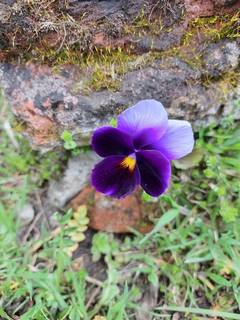
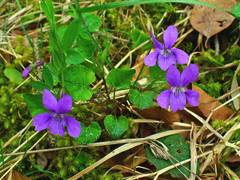
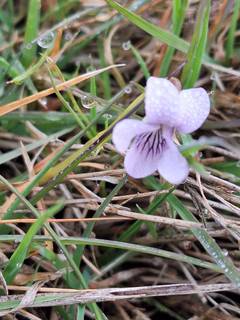
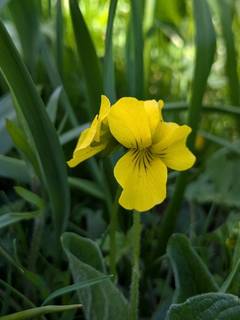
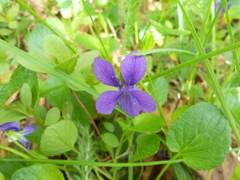
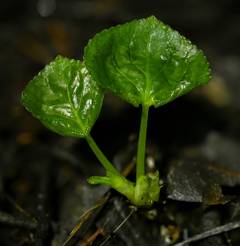
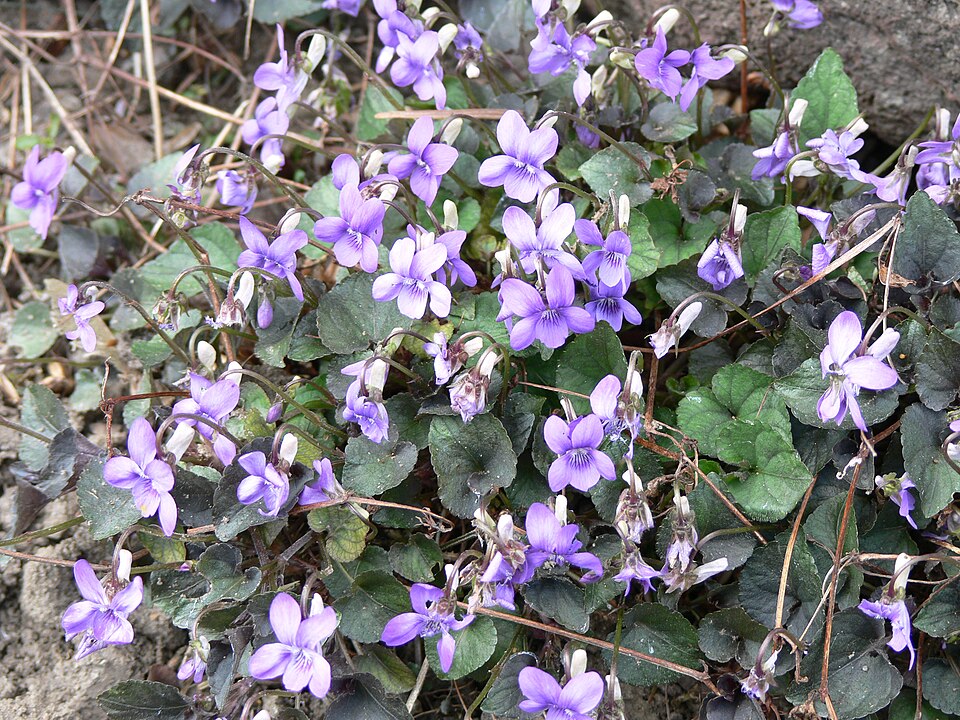
Viola labradorica is a low, clumping to spreading perennial in the violet family that grows 2–6 inches (5–15 cm) tall and slowly forms colonies by seed and short runners. The leaves are heart-shaped to kidney-shaped, 0.5–1.5 inches (1.5–4 cm) across, on slender stalks, and often carry a purple or bronze tint, especially in cool weather and bright light. From April to June, and sometimes again in autumn, it bears small five-petaled flowers about 0.5–0.8 inch (12–20 mm) across in blue-violet to lavender, held just above the foliage on thin stems. The flowers are followed by capsules that split and eject seed, and the plant also produces self-pollinating flowers near the ground that set seed without opening. It self-sows readily and can spread through beds and lawns. Viola labradorica grows in cool, moist, partly shaded sites in woodland and along streams across northern North America and Greenland. It tolerates a range of soils but declines in hot, dry, fully exposed conditions, and the free self-seeding can make it weedy in tidy gardens. Much horticultural material sold under this name is the purple-leaved form of Viola riviniana.
Native Range
Native to northern North America and Greenland, from the arctic and subarctic south through Canada into the northern United States, in cool woodland, clearings, and streamsides. It grows in moist, partly shaded sites on a range of soils.Suggested Uses
Viola labradorica is used as a groundcover and edging plant in shade and woodland gardens, between stepping stones, and at the front of cool, moist borders. Its early flowers supply nectar for spring bees and it hosts fritillary butterfly larvae. The self-seeding habit suits naturalized and informal plantings where spread is welcome.How to Identify
Appearance
Size & Dimensions
Height2" - 6"
Width/Spread6" - 1'
Bloom Information
Blue-violet flowers open from April to June, with scattered rebloom possible in cool autumn weather. Each plant flowers for several weeks in spring. Hidden self-pollinating flowers set additional seed near the ground through summer.
Detailed Descriptions
Flower Description
blue-violet to lavenderFoliage Description
green with purple tintGrowing Conditions
Sun Requirements
Requires 2-6 hours of direct sunlight daily
• Full Sun: 6+ hours of direct sunlight
• Partial Shade: 3-6 hours of direct sunlight
• Full Shade: Less than 3 hours of direct sunlight
Care & Maintenance
Care Guide
Viola labradorica grows in part shade to full shade on cool, moist, well-drained soils rich in organic matter. It tolerates morning sun where the soil stays moist but declines in hot, dry, fully exposed sites. The plant spreads by seed and short runners to form a low groundcover and can self-sow into nearby beds and lawns. It needs steady moisture during dry spells and grows well under a layer of leaf mulch. Plants are short-lived individually but renew themselves from self-sown seedlings. Division in spring or autumn lifts and resets crowded clumps.Pruning
Viola labradorica needs little pruning. Spent flowers and tired foliage can be sheared in summer to tidy the planting and reduce self-seeding. Self-sown seedlings can be thinned or moved in spring.Container Growing
Suitable for container growing
Minimum container size: 1 gallons