Viola, Genus, palmata, Species,
- Genus & species
three-lobed violet
Overview
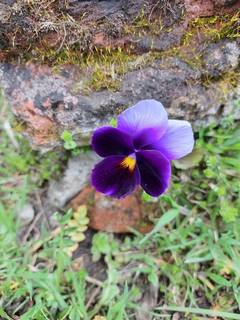
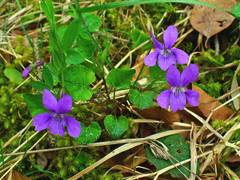
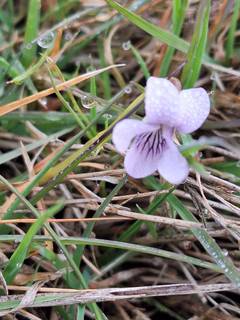
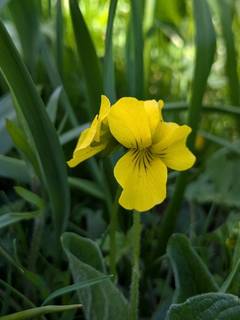
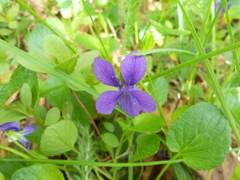
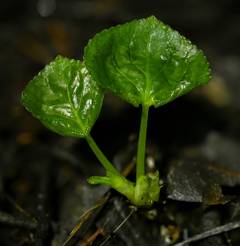
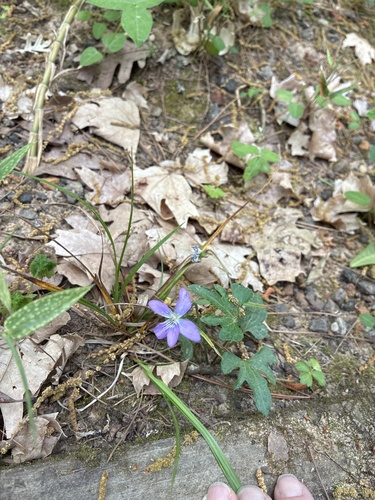
Viola palmata is a low, stemless perennial 3-8 inches (8-20 cm) tall, growing from a stout, fleshy rootstock without spreading runners. Its leaves are variable: early-season and later leaves are often broadly heart-shaped, while the main mid-season leaves are deeply cut into three to eleven palmate lobes, 1-3 inches (2.5-8 cm) wide. Blue-violet to purple flowers about 0.75 inch (2 cm) across rise on separate leafless stalks, the lower petals bearded with white hairs at the throat and veined darker toward the centre. Flowering runs from March to May. Like related violets, it also makes closed, self-pollinating flowers near the ground later in the season that set seed without opening. It grows in dry to moist open woods, slopes, and clearings across the eastern United States. The species hybridises freely with other blue violets, producing leaves of intermediate shape. A limitation in identification and in the garden is this variability, since leaf shape changes through the season and between plants.
Native Range
Viola palmata is native to the eastern United States, from New England and the Great Lakes south to Florida and Texas. It grows in dry to moderately moist deciduous woods, wooded slopes, and grassy clearings.Suggested Uses
Grown in woodland gardens, shaded borders, and native plant gardens as a low spring accent, spaced 6-10 inches (15-25 cm) apart. Suited to dappled shade under deciduous trees and along woodland paths. The foliage is a larval host for fritillary butterflies, and the flowers draw early native bees.How to Identify
Appearance
Size & Dimensions
Height3" - 8"
Width/Spread6" - 10"
Bloom Information
Blue-violet flowers open from March to May on leafless stalks above the foliage. Later in the season the plant forms closed, self-pollinating flowers at ground level that set seed without opening. These closed flowers produce much of the seed.
Detailed Descriptions
Flower Description
blue-violet to purpleFoliage Description
greenGrowing Conditions
Sun Requirements
Requires 2-6 hours of direct sunlight daily
• Full Sun: 6+ hours of direct sunlight
• Partial Shade: 3-6 hours of direct sunlight
• Full Shade: Less than 3 hours of direct sunlight
Care & Maintenance
Care Guide
Viola palmata grows in part shade to dappled sun and well-drained, humus-rich soil that stays moist in spring and drier in summer. It establishes from seed or division of the rootstock and forms slow-growing clumps. The plant tolerates dry shade once established and self-sows where conditions suit it. Heavy, wet soils can rot the fleshy rootstock. It pairs with spring ephemerals and ferns in woodland plantings.Pruning
No pruning is needed. Old leaves die back and can be left as litter over the rootstock. Removing seed capsules before they ripen limits self-sowing in beds where spread is not wanted.Container Growing
Suitable for container growing
Minimum container size: 1 gallons