Viburnum, Genus, ×, Hybrid, rhytidophylloides, Species,
- Genus & species
- Hybrid
lantanaphyllum viburnum
Cultivated hybrid; parents native to Asia and Europe
Overview
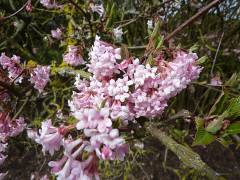
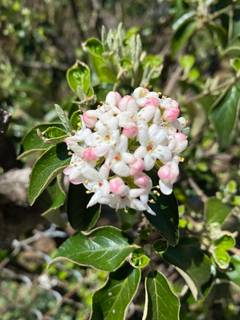
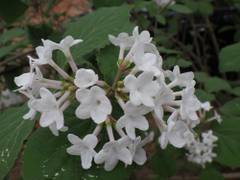
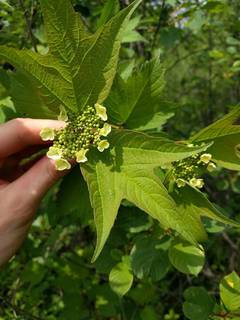
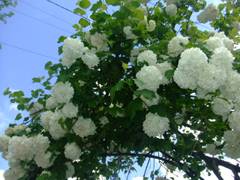
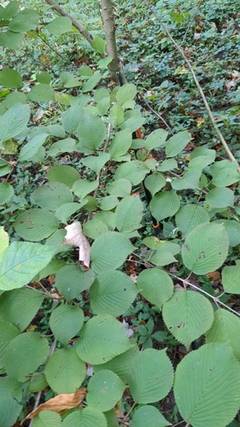
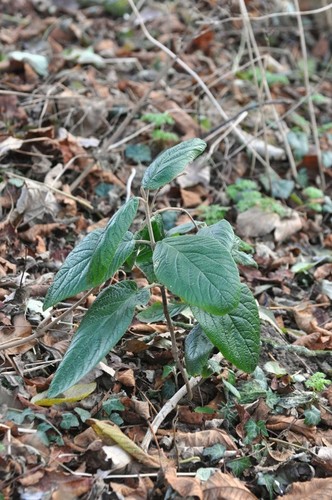
Viburnum × rhytidophylloides is a large semi-evergreen shrub of hybrid origin between V. rhytidophyllum and V. lantana, intermediate in leaf and hardiness between the two parents. It grows 8–10 feet (2.4–3 m) tall and 8–12 feet (2.4–3.7 m) wide, forming a dense, broadly upright outline. The leathery, dark green leaves are 3–6 inches (8–15 cm) long, deeply wrinkled on the upper surface and felted beneath, and hold late into winter, dropping in hard cold. Flat-topped clusters of small creamy-white flowers 3–5 inches (8–13 cm) across open in mid to late spring, and a lighter rebloom can occur in autumn. Flower buds form the previous summer and stand bare through winter before opening. Fruit follows as clusters of berries that ripen from red to black and are taken by birds. The shrub tolerates a range of soils and some shade but holds its leaves longer and flowers more freely in sun with shelter from drying winter wind. Foliage can scorch and brown in exposed, cold, windy sites. Most plants need a second clone nearby for reliable fruit set.
Native Range
The shrub is a cultivated hybrid raised in North America and has no wild range. Its parent species are native to central and western China (V. rhytidophyllum) and to Europe and western Asia (V. lantana).Suggested Uses
Planted as a screen, hedge, or shrub-border backdrop where its dense semi-evergreen foliage gives year-round cover, spaced 6–8 feet (1.8–2.4 m) apart. Also used in mixed borders with a second clone nearby for fruit.How to Identify
Appearance
Size & Dimensions
Height8' - 10'
Width/Spread8' - 12'
Bloom Information
Flat clusters of creamy-white flowers open in mid to late spring, usually May, from buds formed the previous summer. A lighter second flush can appear in autumn. Fruit develops over summer, ripening from red to black.
Detailed Descriptions
Foliage Description
Dark greenGrowing Conditions
Sun Requirements
Requires 4-8 hours of direct sunlight daily
• Full Sun: 6+ hours of direct sunlight
• Partial Shade: 3-6 hours of direct sunlight
• Full Shade: Less than 3 hours of direct sunlight
Care & Maintenance
Care Guide
Grows in full sun to part shade on moist, well-drained soil across a pH range of 5.5 to 7.5. Tolerates clay and brief dry spells once established but holds foliage and flowers more reliably with shelter from cold, drying winter wind. Leaves can scorch and brown in exposed sites in zone 5 winters. A second compatible clone nearby improves fruit set, as a single plant fruits poorly. Light pruning after flowering controls size, and the shrub is hardy through USDA zones 5–8. Viburnum leaf beetle can damage foliage where it is present.Pruning
Pruning right after flowering shapes the shrub and limits its spread without removing the next year's flower buds. Older stems are thinned at the base to renew congested plants. Dead or winter-burned wood is removed in spring.Pruning Schedule
Prune: May–June
late spring