Viburnum, Genus, nudum, Species,
- Genus & species
Possumhaw viburnum
Eastern United States, coastal plain and interior wetlands
Overview
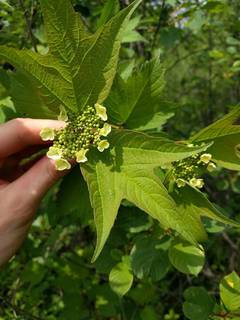
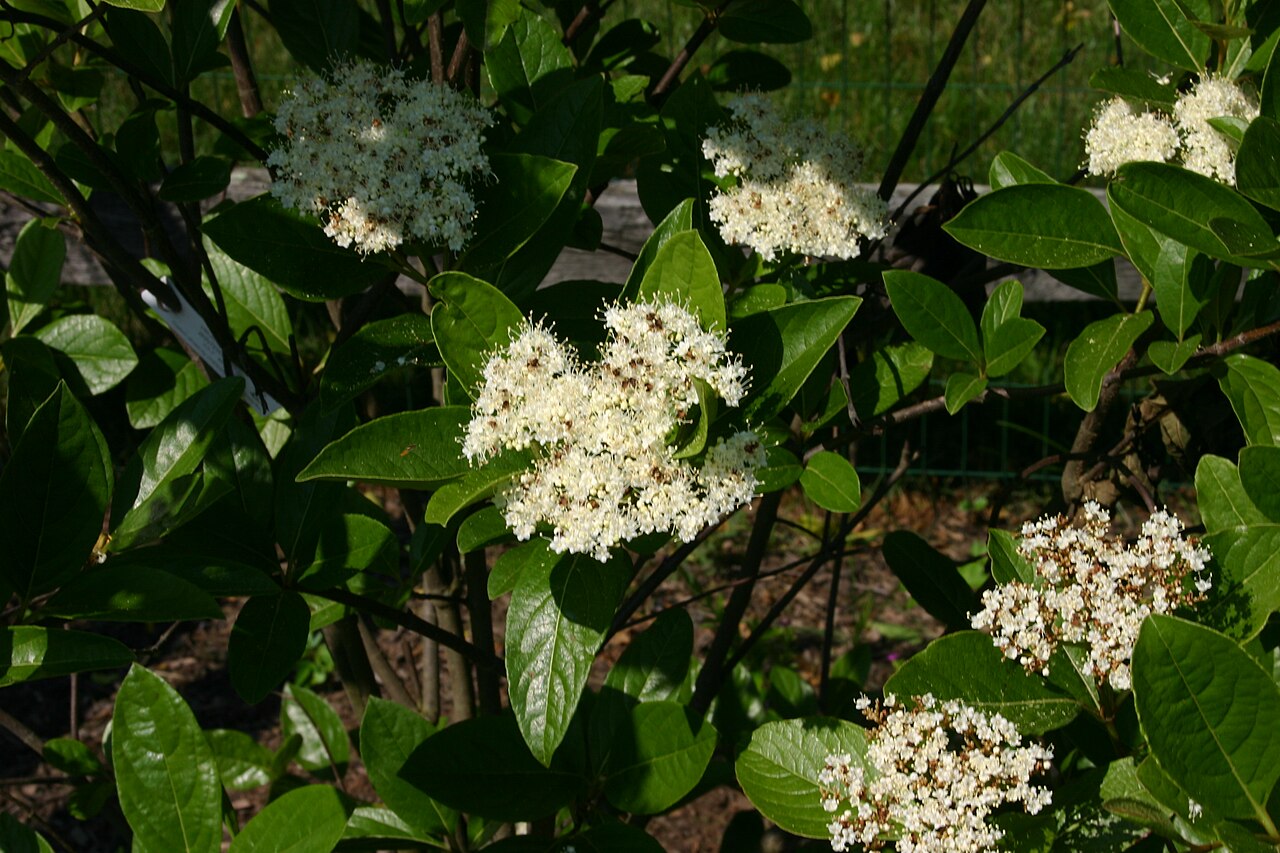
Viburnum nudum is a multi-stemmed deciduous shrub 5-12 feet (1.5-3.7 m) tall and 5-12 feet (1.5-3.7 m) wide, upright when young and rounded with age, widening slowly by root suckers. Leaves are opposite, elliptic to ovate-lanceolate, 2-6 inches (5-15 cm) long, leathery and glossy dark green above, with entire or obscurely toothed margins that roll slightly under; petioles are often narrowly winged and flushed red. Flat-topped cymes 2-5 inches (5-12 cm) across carry many small creamy-white flowers from late May to early July. Fruit is a drupe 0.25-0.35 inch (6-9 mm) long that ripens through green, pink, and rose to dark blue-black between September and October, with several colour stages present in one cluster at the same time. Autumn foliage turns burgundy to maroon-red and holds three to four weeks. Heavy fruit set depends on a second, genetically different plant nearby for cross-pollination, and a lone shrub sets few drupes. The species needs soil that stays damp; in dry ground it sheds leaves in midsummer and stays under half its potential size. Hardy in USDA zones 5-9.
Native Range
Viburnum nudum is native to the eastern United States, from Connecticut and New York south along the coastal plain to Florida and west to eastern Texas and Arkansas, with scattered inland stands in Kentucky and Tennessee. It grows in swamps, bogs, wet pine flatwoods, low woodland, and along stream and pond margins, in acidic peaty or silty soil that stays saturated for part of the year. Wetland classifications across most of its range place the species in the obligate or facultative wetland categories.Suggested Uses
Used in rain gardens, pond and stream margins, wet woodland edges, and as an informal screen on damp ground, spaced 6-8 feet (1.8-2.4 m) apart. Groups of three or more plants raised from different seed sources or cultivars carry the fruit set that single specimens lack. Cut stems 24-36 inches (60-90 cm) long hold the multicoloured fruit clusters about a week in water.How to Identify
Appearance
Size & Dimensions
Height5' - 12'
Width/Spread5' - 12'
Bloom Information
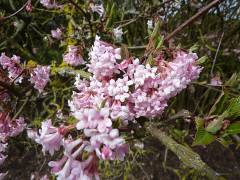
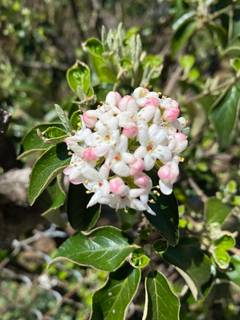
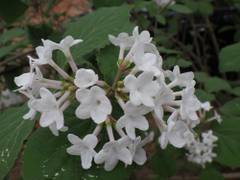
Cymes open over two to three weeks between late May and early July, later in the north and at higher elevations. Flowers form on wood produced the previous season, so cutting in late winter removes that year bloom along with the fruit that would follow. The scent is faint and slightly sour at close range. Small bees, hoverflies, and beetles work the flat flower heads, and spring azure butterflies lay eggs on the flower buds.
Detailed Descriptions
Foliage Description
Glossy dark green above, paler beneath, turning burgundy to maroon-red in autumnGrowing Conditions
Sun Requirements
Requires 4-10 hours of direct sunlight daily
• Full Sun: 6+ hours of direct sunlight
• Partial Shade: 3-6 hours of direct sunlight
• Full Shade: Less than 3 hours of direct sunlight
Care & Maintenance
Care Guide
Fruiting is heaviest with six or more hours of direct sun; at three to four hours the shrub still grows steadily but sets roughly a third of the drupes. The species grows in acidic soil of pH 5.0-6.5 that stays consistently damp, including heavy clay and peat that hold water, and it tolerates several weeks of standing water during the growing season. Soil that dries between rains brings midsummer leaf drop, and irrigation of 1-1.5 inches (2.5-4 cm) per week substitutes where natural moisture is short. Two plants of different genetic origin set within 50 feet (15 m) of each other carry cross-pollination and full fruit set. A 3-inch (8 cm) mulch of pine bark or wood chips over the root zone holds moisture and lowers soil temperature. Feeding is seldom needed, and an acid-forming fertiliser supplying 0.1 pound of nitrogen per 100 square feet (50 g per 9 sq m) in spring covers a season on thin soil.Pruning
Cutting is done immediately after flowering in July, before flower buds for the following year are set. One-quarter of the oldest stems taken to ground level each year renews the framework over a four-year cycle without loss of fruiting wood. Root suckers beyond the intended footprint are severed below soil level in summer. Shearing produces a dense outer shell, thin interior growth, and reduced fruiting.Pruning Schedule
Prune: June–July
summer