Viburnum, Genus, ×, Hybrid, carlocephalum, Species,
- Genus & species
- Hybrid
fragrant snowball viburnum
Overview
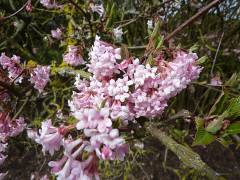
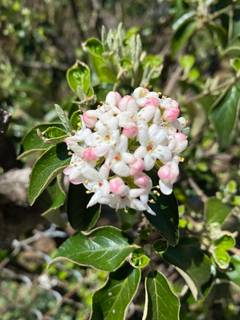
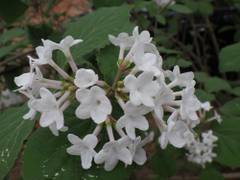
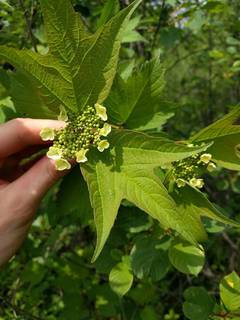
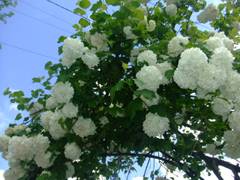
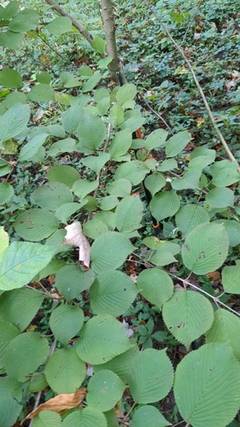
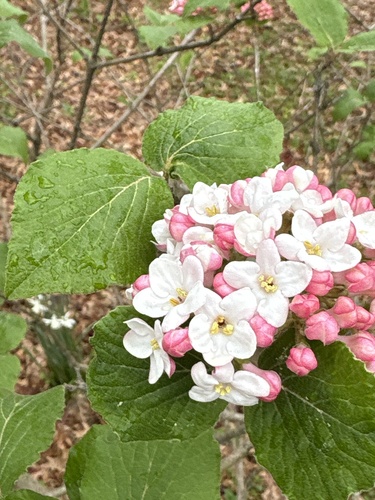
Viburnum × carlocephalum is a deciduous shrub derived from a cross between V. carlesii and V. macrocephalum, reaching 6–8 feet (1.8–2.4 m) tall and 6–10 feet (1.8–3 m) wide with a rounded, multi-stemmed form. Ovate leaves are 2–4 inches (5–10 cm) long, dull dark green, with toothed margins and a slightly hairy underside; foliage turns reddish-purple in autumn, though fall color is inconsistent from year to year. Flower buds are pink, opening to white in domed clusters 4–5 inches (10–13 cm) across in April and May. The flowers carry a clove-like scent detectable several feet from the plant. Fruit set is sparse because the hybrid is largely sterile, so the red-to-black drupes typical of the parent species rarely develop. The shrub grows at a moderate rate, adding 12–24 inches (30–60 cm) per year when young, and reaches mature size in five to seven years. It grows in full sun to part shade and tolerates a range of soils with adequate drainage. Powdery mildew can affect foliage in humid sites with crowded plantings and poor air circulation, and the lower structure of older plants becomes open and bare without renewal pruning. Cold hardiness extends to USDA zone 6, where flower buds are occasionally damaged by late spring frosts.
Native Range
The hybrid Viburnum × carlocephalum originated in cultivation and does not occur in the wild. Its parent species are native to eastern Asia: V. carlesii to Korea and Japan, and V. macrocephalum to China.Suggested Uses
Used as a specimen or in shrub borders, often sited near walkways, patios, and entries where the spring scent is noticeable. Also planted in informal hedges and mixed foundation groupings, spaced 6–8 feet (1.8–2.4 m) apart. The sparse fruiting yields little forage for wildlife compared with fruiting viburnums.How to Identify
Appearance
Size & Dimensions
Height6' - 8'
Width/Spread6' - 10'
Bloom Information
Flowers open in April and May over about two to three weeks. Pink buds form in late winter and expand before the white flowers appear. Bloom shifts earlier in mild springs and can be shortened by late frosts.
Detailed Descriptions
Flower Description
white opening from pink budsFoliage Description
dark green, turning reddish-purple in autumnGrowing Conditions
Sun Requirements
Requires 4-8 hours of direct sunlight daily
• Full Sun: 6+ hours of direct sunlight
• Partial Shade: 3-6 hours of direct sunlight
• Full Shade: Less than 3 hours of direct sunlight
Care & Maintenance
Care Guide
Position in full sun to part shade in moist, well-drained soil with a pH between 6.0 and 7.5. Regular watering through the first two growing seasons establishes the root system, after which supplemental water is needed mainly during prolonged drought. A 2–3 inch (5–8 cm) mulch layer conserves moisture and moderates soil temperature. Powdery mildew and leaf spot develop in humid conditions with crowded plantings, so spacing for air movement lowers the incidence. Fertilizer is generally unnecessary in average soils, though a spring application of a balanced product supports growth where soils are poor. In USDA zone 6, flower buds can be injured by hard late-spring frosts.Pruning
Pruning is done immediately after flowering, because flower buds form on the previous season's growth. Renewing congested plants involves cutting the oldest stems to the base and thinning crowded interior branches for air circulation. Pruning in late summer, fall, or winter removes the following spring's flower buds.Pruning Schedule
Prune: May–June
late spring